Noor set the empty 3-ounce tray in the Chicago sink at 7:05 p.m. and watched Pico, her 8-lb Siamese mix, back up from the bowl and shake as if she had walked through a spiderweb. The pate was the sticky kind. A beige smear ran from the left whisker pad onto the cheek fur. Pico shook again, then dragged that side of her face on the apartment rug. The 11th-floor windows were closed. No bugs. She had eaten this brand for nine months. The shaking started in week two of a new loaf texture, the one that clung. Noor looked in both ears with her phone light. The right looked clean. The left had a little brown film she had not noticed at 7 a.m. Head shake after dinner could be food on fur.
Key points at a glance
- Sticky pate on whiskers and cheeks can trigger a shake that looks neurologic for 10 seconds.
- Ear mites, yeast, and a foreign speck still belong on the list, especially if one ear looks dirty.
- Dental pain and nausea can also make a cat shake or lick the lips after a meal.
- Wipe the face after loaf; check both ears in good light before you assume it is only mess.
- Head tilt, circling, or heavy gunk in one ear is a vet problem the same day or next clinic morning.
Food on fur versus an ear versus the mouth
Wet food that grips the whisker pad itches. Cats shake, then wipe. If the shake stops after you clean the face, texture was the likely trigger. If Pico still shakes 20 minutes later, look at ears and teeth. Ear mites leave coffee-ground debris, often in both ears, but one ear can look worse. Yeast and bacteria make brown or yellow discharge and a smell. A grass awn or carpet fiber in one canal is less common in an 11th-floor apartment, still possible after a balcony sit. Dental pain can show up at mealtime: head shake, dropping food, chewing one side. Nausea from eating too fast, a food that sits heavy, or inner-ear disease can add lip-licking and a hunched pause. Seven-oh-five p.m. shaking is a timestamp. It is not a diagnosis.
Wipe the pate. Then look in the ears.
Keep a damp cloth by the bowl. Ten seconds on whiskers and cheeks after the 3-ounce tray cuts the spiderweb shake. Use a shallow plate so she does not dive chin-deep into loaf. Check ears twice a week: lift the flap, do not pack a swab into the canal. If you see a little wax, wipe only what you can see. Pause the sticky pate for a smoother pate or a minced texture for two days as a test, not as treatment. Watch for vomiting, which points more toward nausea. Watch for scratching at one ear, which points more toward canal disease. Do not pour oil, vinegar, or leftover dog ear cleaner into a cat ear. Cats are smaller. The wrong liquid in a closed canal hurts.
When head shaking after meals needs the vet
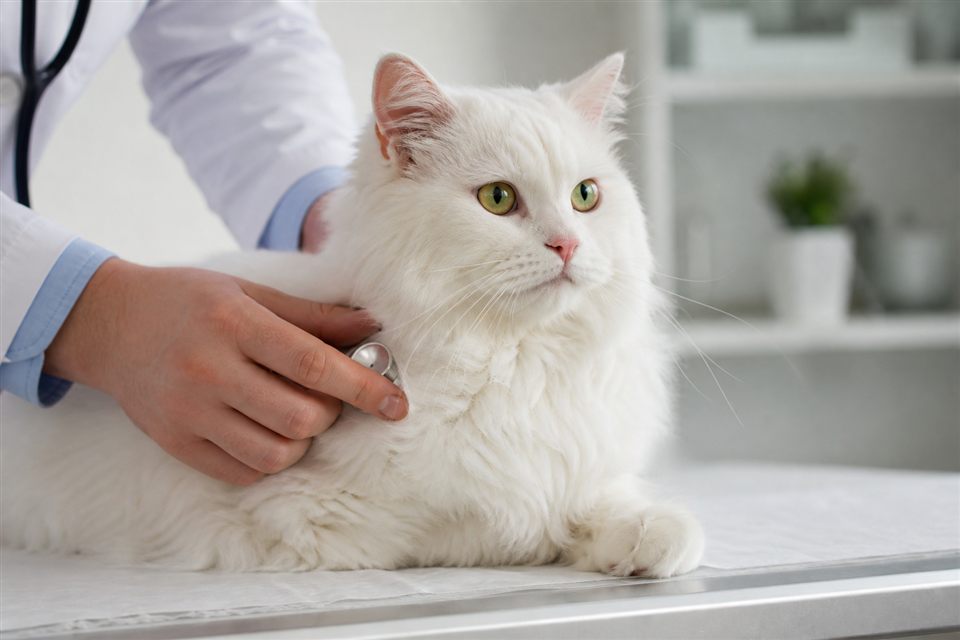
Book this week if shaking continues after you wipe the face, if one ear has brown gunk, or if Pico starts avoiding the bowl. Same-day care for a head tilt that stays, loss of balance, a drooping lip, or an ear so full you cannot see skin. One dirty ear is more concerning than two mildly waxy ones, because polyps, foreign bodies, and one-sided infection sit on that list. Tell the clinic it happens right after wet food so they look at face, teeth, and ears in one visit. Do not wait for her 8-lb frame to drop. Indoor cats still get mites from a new carrier or a boarding weekend. The apartment does not make ears sterile.
| What happens | More likely | Next step |
|---|---|---|
| Shake for 10 sec, pate on whiskers | Sticky food on fur | Wipe face; try a less sticky texture |
| Shake 20-plus min later, ear scratch | Mites, yeast, or debris | Vet otoscope; no home vinegar |
| One ear gunk, the other clean | Polyp, foreign body, one-sided otitis | Do not delay the appointment |
| Lip lick, hunch, vomit after meals | Nausea or food intolerance | Vet if it repeats more than twice |
| Head tilt or circling | Vestibular or middle-ear disease | Same-day veterinarian |
Noor wiped Pico's whisker pad after every Chicago tray and still booked the exam when the left ear film came back. The 7:05 p.m. shake had been partly pate and partly a canal that needed a real look.
This article is education, not a diagnosis. Call your veterinarian if head shaking continues after you clean the face, one ear has gunk, or your cat develops a head tilt.