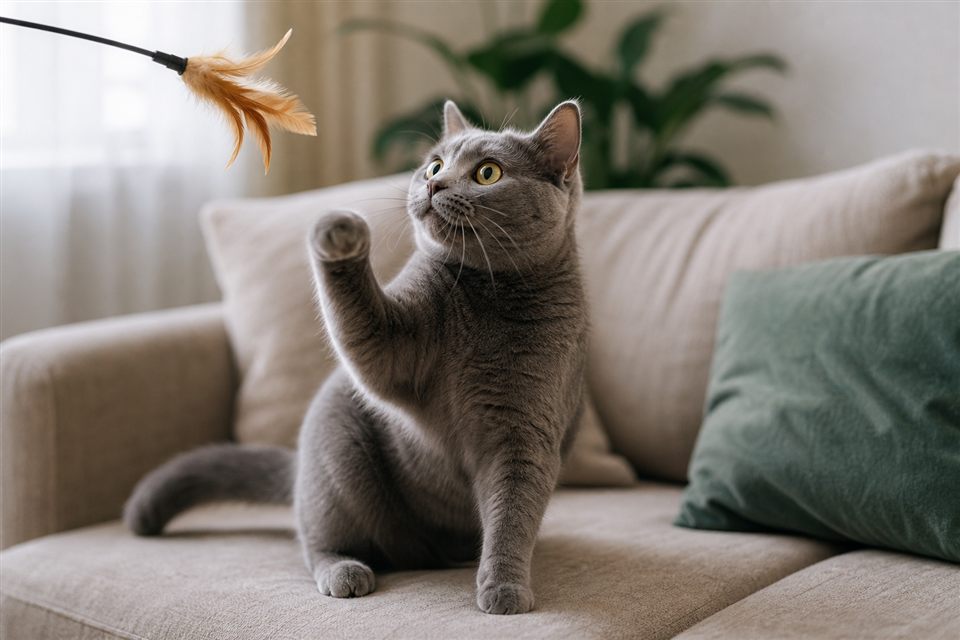
At 6:12 a.m., Eli's kitchen in Madison, Wisconsin, had a sheet of water from the fridge to the stove. Wisp, 9 lb of tabby, sat on the counter with her paw still on the rim of a $6 stainless bowl that had held water at 10:30 p.m. and now held none. The dish weighs about 3 ounces empty. It skids on tile. Wisp dumps it every weekday while Eli pulls on cycling shoes for a 6:40 a.m. ride. A rubber mat lasted two mornings. Filling the bowl halfway lasted one. On Tuesday he snapped at her; she spent 40 minutes under the couch. The fridge line drips. She watches that drip more than the still bowl. Eli needs a vessel that stays upright until a cat drinks, and he needs it before he bikes out.
Key points at a glance
- About 12 whiskers per side press a deep, narrow rim; many cats then paw the water because the face has more room that way.
- A 3-ounce $6 metal bowl on kitchen tile tips when a 9-lb cat hooks the edge at 6:12 a.m.
- A fountain cycling 50–80 ounces, or even a fridge drip, often gets more licks than a still disc beside kibble.
- Dawn dumping mixes hunting-hour play with hardware that cannot survive one shove.
- Leave the lecture out. Set down 1.5–3 lb ceramic, add a second bowl 8–10 feet from food, and consider a $25–$45 fountain.
Whiskers, ripples, and a 3-ounce pan
Each side of Wisp's face carries about 12 whiskers. A tall, tight bowl jams those hairs against steel before her tongue reaches water. She taps. Then she hooks. A wide, shallow dish 5–6 inches across, filled so the water sits 0.5–1 inch below the rim, gives her muzzle room. That single change cuts a lot of pawing.
6:12 a.m. is when a 9-lb indoor hunter is already awake. Water moves. A 3-ounce pan on tile becomes a toy. Eli is late for a 6:40 bike. The mess looks personal. It is timing plus physics.
Still water grows a film in 12–24 hours. The fridge drip never sits. If she stares at that drip, budget $25–$45 for a fountain that cycles 50–80 ounces, and rinse the pump every 3–7 days so the hum does not drive her back to the $6 pan.
Weight, width, and a second station
Buy ceramic that weighs 1.5–3 lb empty, with a wide foot and a rubber ring for tile. Keep about 1 inch of water in that wide bowl. Park a second copy 8–10 feet from kibble. Plenty of cats leave water that shares a greasy food plate.
Set both on a mat with a 0.5-inch lip. Splashes will happen. A lake from fridge to stove should stop. Clean the fountain on a 3–7 day cycle. Fill at 10:30 p.m. so 6:12 a.m. starts with water actually in the vessel.
Tuesday's raised voice bought 40 minutes under the couch and zero dry socks. Wisp is not keeping score. The $6 dish lost to gravity.
| Vessel | Empty weight | Eli's next step |
|---|---|---|
| $6 thin stainless | About 3 oz | Retire it; it already failed every weekday |
| Wide ceramic bowl | 1.5–3 lb | Use if she will drink still water from a stable dish |
| 64–80 oz fountain | 2–4 lb plus pump | Use if she stalks the fridge drip or faucet |
| Second bowl, 8–10 ft from food | Same as ceramic | Use if the food-station bowl stays full and ignored |
| Mat with 0.5-inch lip | — | Catch splash so the stove side of the floor stays dry |
Eli set a 2-lb ceramic bowl 9 feet from the kibble and a $32 fountain beside the fridge on a lipped mat. At 6:12 a.m. the tile was spotted. The stove stayed dry. The $6 pan went out with Tuesday's recycling.
Ask a veterinarian if your cat stops drinking, drinks far more than usual, or shows a dry mouth with lethargy. This page is general pet-care education.