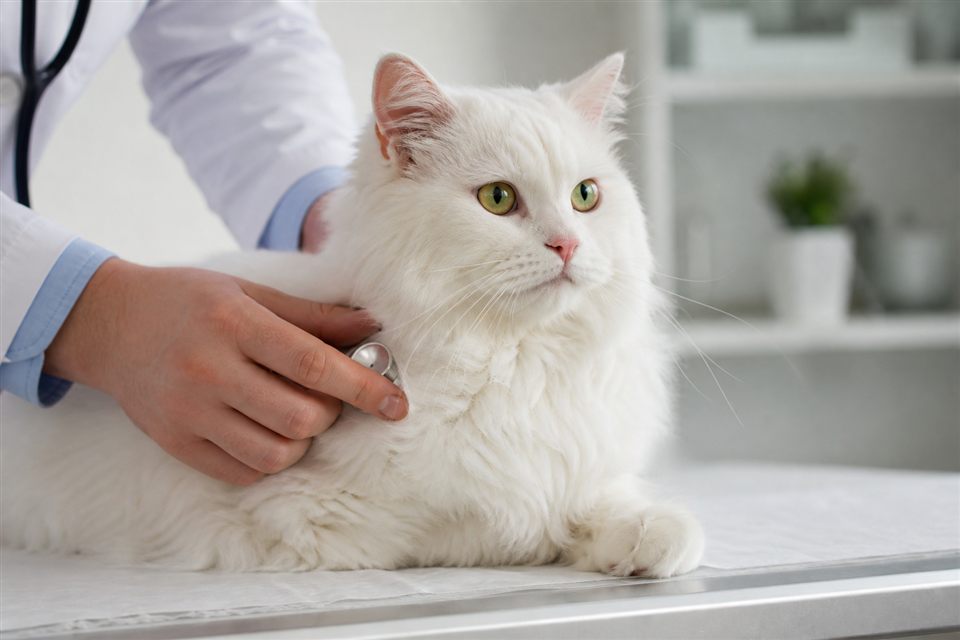
Anika swapped in the $4 plastic dish at 6:20 p.m. in the Madison, Wisconsin kitchen because the ceramic had cracked. Moss, her 10-lb cat, ate the 3-ounce dinner with her face deep in the narrow bowl. By 8 p.m. both whisker pads looked puffy, pink at the edges. Moss rubbed her muzzle on the cabinet corner. The new dish was deep and barely wider than her head. Anika had bought it because it was cheap and dishwasher-safe. She lifted Moss’s lip. Chin looked oily. Whisker pads were swollen. Moss still ate, but slower, turning her head to one side. Anika put the cracked ceramic in the recycling and left the plastic in the sink.
Key points at a glance
- New plastic bowls can irritate whisker pads through contact allergy or leftover detergent in scratches.
- A deep, narrow dish mashes whiskers at every bite; some cats call that stress and back off the bowl.
- Switch to a wide, shallow ceramic or stainless bowl, not another $4 plastic cup.
- Chin acne and sores belong on the same face; plastic is a frequent chin-acne setup.
- Vet if pads are sore, chin is badly broken out, or Moss will not eat.
Plastic contact versus whiskers jammed in a well
Scratched plastic holds bacteria and soap film. The whisker pad and chin sit in that film for the whole 3-ounce meal. Contact irritation can puff the pads within hours of a new dish. A deep narrow bowl is a second problem even if the material were perfect. Whiskers hit the rim on every scoop. Some cats eat anyway and look swollen from rubbing. Some walk away. Moss turning her head at 6:20 p.m. is a map. She is trying to keep whiskers off the plastic wall. Chin oil plus swollen pads after a $4 swap is a strong environmental clue. It is still not a lab diagnosis. Insect stings and dental pain can swell a face too, usually with other signs.
Change the dish. Clean the chin.
Move dinner to a wide, shallow ceramic plate or a stainless bowl wider than the whisker span. Wash it in hot water. Skip leftover plastic “until the next paycheck.” Wipe the chin and pads with a soft cloth and warm water after meals so pate does not sit in fur. Do not pop chin acne. Do not put human acne cream, hydrogen peroxide, or essential oils on the chin. If you must use a cleaner on the chin, use only a product your veterinarian named. Offer the 3 ounces on a plate for a day so you can see whether swelling drops when plastic and the deep well are both gone.
When swollen whisker pads need the vet
Call this week if pads stay puffy after you switch bowls, if you see open sores, if chin acne looks angry, or if Moss eats less. Same-day if the face swells beyond the pads, she cannot close her mouth comfortably, she stops eating, or you think a sting or tooth is involved. A 10-lb cat who skips food is on a 24-hour clock for a call, not a wait-for-the-weekend plan. Anika can trash the $4 Madison dish tonight and still need the clinic if the chin is already sore. Photos at 6:20 p.m. and at breakfast show the change speed.
| What you notice | More likely | Do this |
|---|---|---|
| Puffy pads hours after a new plastic dish | Contact irritation plus plastic film | Wide shallow ceramic or stainless |
| Deep narrow bowl, head-turning to eat | Whisker stress | Plate or wide bowl; same meal size |
| Oily chin, blackheads, swollen pads | Chin acne overlapping the bowl problem | Vet if sores; no human acne cream |
| Open sores or will not eat | Pain or infection | Veterinary visit; same-day if not eating |
| Face swelling past the pads, drool | Sting, dental, or allergic swell | Same-day veterinarian |
Anika moved Moss to a wide stainless plate in the Madison kitchen the same night and washed the $4 plastic for the recycle bin. The pads looked quieter by breakfast, and she still booked when the chin stayed oily and sore.
This article is education, not a diagnosis. Call your veterinarian if whisker pads stay swollen, chin sores appear, or your cat will not eat after a bowl change.