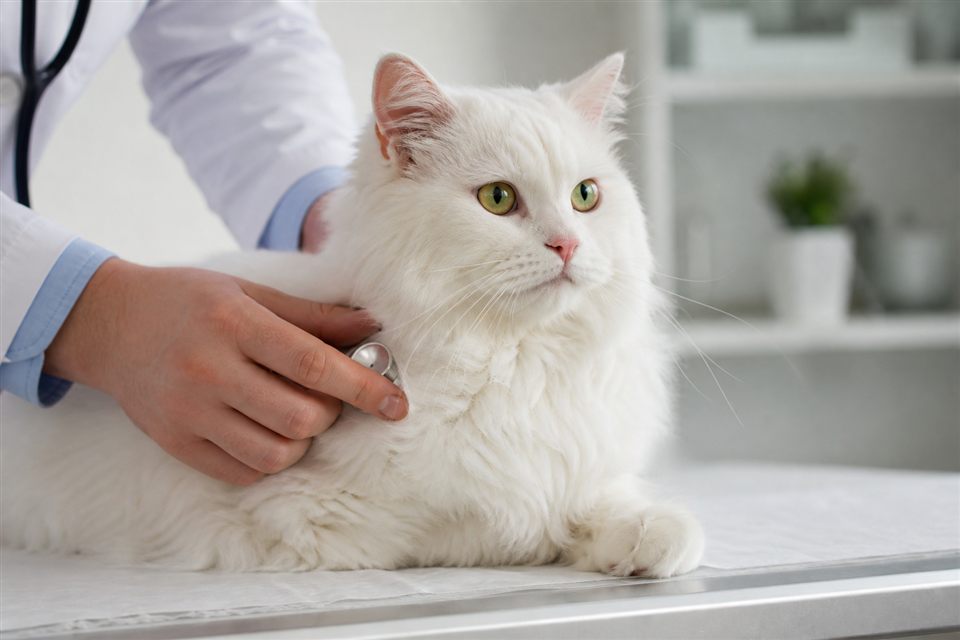
Marco ran a hand down Nimbus at 9:15 p.m. on the Sacramento couch and felt grit. The 13-lb tabby had a patch of dry, flaky skin at the base of the tail, right where the fur changed direction. Nimbus twisted and licked there in short bursts. Marco parted the hair. White flakes. A few dark specks that looked like pepper. He pressed a damp cotton pad against the specks. They smeared reddish-brown. Flea dirt. Or something that looked like it. Nimbus lives indoors. The apartment has a balcony. Marco had skipped the July preventative because he never saw bugs. The shipping scale still read 13.0 lb. The tail base did not look like a healthy 13 lb.
Key points at a glance
- Flakes at the tail base often track fleas; flea dirt smears reddish-brown on a damp pad.
- Allergy and overgrooming can strip the same spot even when you never see a live flea.
- Stud tail (tail-gland hyperplasia) shows in some intact males as greasy, waxy skin near the tail base, not only dry flakes.
- Comb the coat. Restart vet-ok flea prevention for all pets in the home, including indoor-only cats.
- Vet visit if you find fleas, sores, or a swollen, greasy tail gland.
Flea dirt, itch, and the tail gland
Cats are good at grooming away the insect. You find the dirt. Black specks that smear rust-colored on wet cotton are digested blood, a classic flea clue. Allergy to flea saliva can flare from a few bites. Food or environmental allergy can also land as licking at the tail base and rump. Overgrooming from itch or stress shortens the hair and leaves dandruff that looks like dry skin. Intact males can develop stud tail: the supracaudal gland overproduces oil, the hair mats, and the skin can flake or crust. Nimbus at 9:15 p.m. with pepper specks that smeared is enough to treat the flea question as real, balcony or not. Indoor cats get fleas from porches, visitors, and other animals.
Comb first. Then change the monthly plan.
Use a fine flea comb at the tail base, rump, and groin over a white paper towel. Comb daily for a week so you see what you are collecting. Ask your veterinarian which preventative fits Nimbus; do not grab a dog product or a discount-store bottle “for cats” that your clinic has not okayed. Wash the couch throw. Vacuum the Sacramento sofa and empty the canister outside. Skip essential-oil sprays and leftover permethrin anything. Permethrin dog products can kill cats. If Nimbus is an intact male and the tail base is greasy rather than only dry, say that out loud at the appointment. Neutering is a conversation with the vet, not a 9:15 p.m. home project.
When tail-base flakes need the vet
Book this week if you confirm fleas or flea dirt, if the skin is sore or open, if Nimbus has bald patches, or if the tail base feels thick and oily. Same-day if he is miserable, the skin is infected with pus, or he stops eating. Do not wait for 13 lb to drop. Marco can restart prevention and still need cytology if the flakes are yeast or bacteria on broken skin. Photos of the smear on the cotton pad help. A “I never see bugs” story is common. The pad smear is better data.
| Clue | Often tracks | Do this |
|---|---|---|
| Pepper specks that smear rust on wet cotton | Flea dirt | Vet-ok preventative for all pets; comb daily |
| Flakes plus bald lick patch, no specks | Allergy or overgrooming | Vet this week; do not guess a food trial alone |
| Greasy, waxy tail base on an intact male | Stud tail | Vet; do not scrub raw with dish soap |
| Open sores, pus, foul smell | Infection on broken skin | Clinic this week, sooner if painful |
| Dog flea vial “because it was leftover” | Toxic risk to cats | Never; call poison help if it already went on |
Marco combed Nimbus over a paper towel at 9:15 p.m., bagged the cotton smear for the Sacramento appointment, and started the preventative the vet named. The balcony story did not cancel the flea dirt.
This article is education, not a diagnosis. Call your veterinarian if you find fleas or flea dirt, the tail-base skin is sore, or an intact male has a greasy, swollen tail gland.