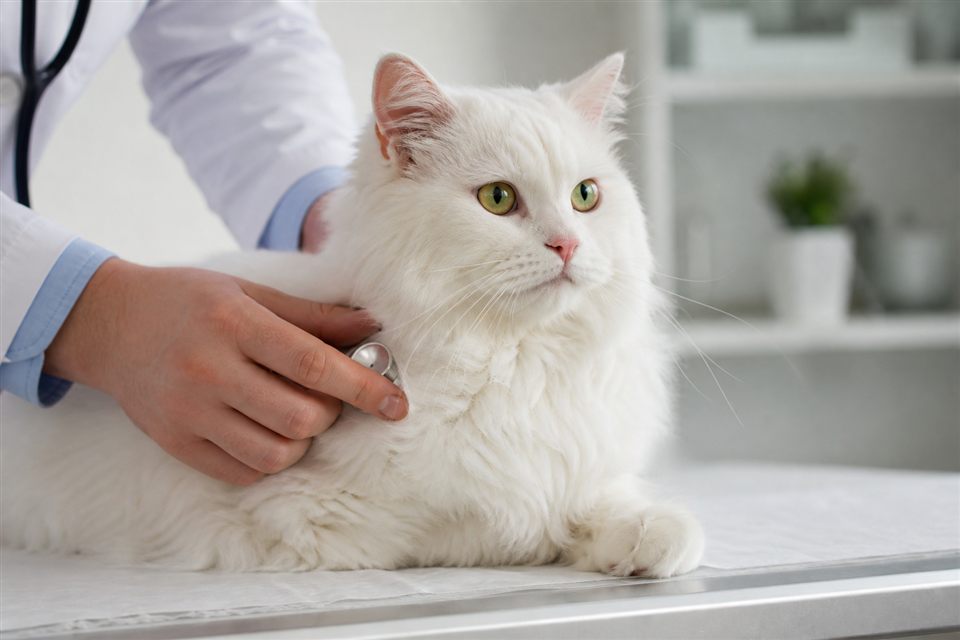
Mei leaned over the Seattle kitchen bowl at 7:20 a.m. on day 14 of the new pate and pulled back. Juniper, her 10-lb domestic shorthair, had finished 2.8 ounces of chicken loaf. The smell was not leftover gravy. It was sour, thick, and stuck to the whiskers. Week one had smelled like the can. Week two smelled like something in the mouth. Juniper still ate in 90 seconds, still jumped to the 24-inch window perch, still weighed 10.1 lb. Mei had switched to wet food because a friend said kibble caused rot. She had not looked under the lips. She lifted a flap. The gumline looked red along the upper premolars, and a smear of pate sat in a tiny pocket. The breath did not match a clean switch. It matched a mouth that needed a real exam.
Key points at a glance
- Wet food does not cause teeth to rot; it can trap loaf in pockets that already exist.
- New sour breath after a pate switch often unmasks dental disease that kibble breath had covered.
- Breath that smells like urine or ammonia is an urgent kidney-and-lab problem, not a toothpaste problem.
- Feline oral resorptive lesions hurt; cats may still eat wet food while they avoid kibble.
- Book a dental check rather than switching brands for a third week as the only plan.
Wet food is not a rot switch
Canned diets stay on the tongue and in cheek pockets. That can make odor more obvious at 7:20 a.m. It does not create cavities the way sugar does in people. Most cats over age 3 already have some periodontal disease. Kibble does not sand tartar off in a reliable way. When Mei changed texture, she started standing closer to a mouth that was already inflamed. Trapped pate in a gum pocket ferments in hours. Tooth-root pain, broken crowns, and resorptive lesions (FORLs) can hide behind a cat who still finishes 2.8 ounces. Kidney disease can add a urine or ammonia edge to the breath as toxins rise. That smell is not food. Stomatitis makes the whole mouth look angry. You cannot sort those by sniffing the can.
What you can check at home without delaying the vet
Lift the lips in good light. Look for red gums, brown tartar, missing tips of teeth, or a shiny, scooped defect near the gum. Wipe visible pate off the whiskers and chin after meals so the smell you track is the mouth, not the fur. Offer water in a clean bowl; cats with kidney disease often drink more, but some drink less and still have ammonia breath. Do not scrape tartar with a tool from a video. You can fracture a tooth. Do not start human mouthwash, charcoal powders, or essential-oil dental gels. If Juniper paws at her face, drops food, or chews on one side, move the appointment up. Wet food can be a kinder texture while you wait. It is a bridge. It is not the treatment for resorptive lesions or a tooth that needs extraction under anesthesia.
When bad breath after a food switch needs the vet
Schedule a dental evaluation this week for sour, persistent odor plus red gums, even if she still eats. Same-day or emergency care if the breath smells like urine or ammonia, if she stops eating for 24 hours, drools strings, bleeds from the mouth, or hides. Cats hide oral pain. Waiting for a 1-lb drop on the shipping scale wastes time. Ask about a full oral exam under anesthesia with dental radiographs. Many resorptive lesions only show on X-ray. Bloodwork before anesthesia also screens kidneys, which matters if you already noticed ammonia. Do not keep rotating pate flavors for another 14 days hoping the smell is the chicken loaf. Texture revealed the problem. It did not create a new species of rot.
| Smell or sign | What it may track | Timing |
|---|---|---|
| Sour breath, pate in gumline | Trapped food on existing dental disease | Dental check this week |
| Red gums, brown tartar | Periodontal disease | Vet oral exam; home wiping is not enough |
| Eats pate, refuses kibble, winces | FORLs or tooth pain | Vet; wet food is a bridge only |
| Urine or ammonia odor | Possible kidney-related uremia | Urgent vet, same day if dull or not eating |
| Drool, face pawing, 24-hour anorexia | Severe oral pain or systemic illness | Do not wait for weight loss |
Mei wiped Juniper's chin after the 7:20 a.m. pate, photographed the red gumline, and booked the Seattle dental consult on day 15 instead of opening a third flavor.
This article is education, not a diagnosis. Call your veterinarian for persistent bad breath after a diet change, and seek urgent care if the breath smells like ammonia or your cat stops eating.