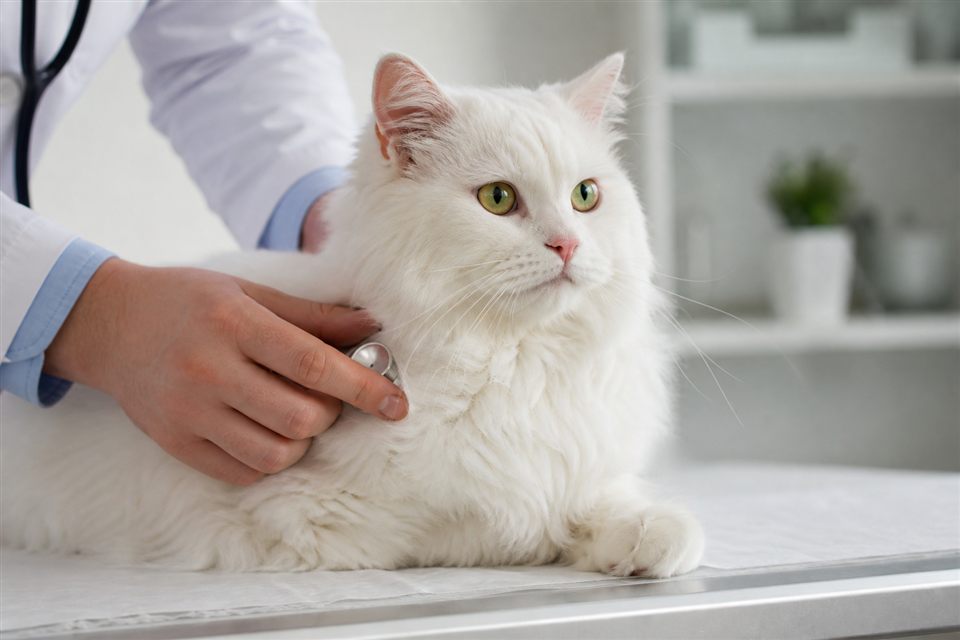
Patrick heard the drip on the Boston kitchen tile at 6:45 a.m. before he saw the string. Lumen, his 13-lb Maine Coon mix, had taken three pieces of the usual kibble and then sat with her mouth open. A clear line of saliva hit the floor. She would not take a fourth piece. Ten minutes later she finished 3 ounces of warmed turkey pate without a drip. Same cat. Same morning. Different texture. She still hopped to the 30-inch fridge top. The shipping scale still read 13.0 lb. Patrick had waited two weeks because she was not thin. The drool only showed when the kibble cracked. He ran a finger along her cheek and she pulled back from the left side. Wet food was keeping calories in. It was not fixing whatever the crunch hit.
Key points at a glance
- Drool that appears only when chewing dry kibble is a pain pattern, not picky eating.
- FORLs, fractured teeth, and stomatitis often flare when a hard piece hits a sore spot.
- Wet food is a useful bridge for calories; it is not a cure for resorptive lesions.
- Drooling plus pawing at the mouth is a veterinary visit, not a new-kibble experiment.
- Do not wait for weight loss. Cats can keep a 13-lb frame while a tooth dies quietly.
Why kibble starts the drool and pate does not
Dry food asks the cat to crack a hard piece with a specific tooth. A resorptive lesion on a premolar can feel like biting foil. The brain dumps saliva. Soft pate slides past the same tooth with less pressure. Stomatitis inflames the back of the mouth; crunching drags food across that tissue. A slab fracture from an old habit of chewing on bones or a plastic toy can sit for months until one kibble finds the edge. Lumen drooling at piece three, then eating pate cleanly, is a map. It points to oral pain triggered by hardness. It does not tell you which tooth. Only an exam, often with dental radiographs under anesthesia, shows FORLs hiding under the gum.
Use wet food as a bridge while you book the exam
Warm the pate for 10 seconds so the smell helps her eat. Weigh her twice a week on the same scale. Offer water in a wide bowl. Skip dental chews, crunchy treats, and any toy she clamps with the back teeth until a vet has looked. Do not grind kibble into dust as a long-term plan; you still have not treated the lesion. Do not put oral gels with unknown essential oils in a painful mouth. If she paws her face, keep her from ripping at the lip with a recovery collar for the car ride. Patrick can keep the 6:45 a.m. pate going so she does not fast. Forty-eight hours of poor intake in a cat risks hepatic lipidosis. That is why the bridge matters. The appointment still matters more.
When kibble-only drool needs the vet
Call this week for drooling tied to dry food, even if the number on the scale has not moved. Same-day care if saliva is bloody, she paws nonstop, she refuses even pate, she hides, or her eye on one side squints (a tooth-root problem can refer to the eye). Do not wait until 13 lb becomes 11. Weight is a lagging sign. Ask for a full oral assessment and discuss anesthesia with dental X-rays. Many FORLs are invisible without imaging. Extraction of a resorbing tooth is treatment. A different kibble shape is not. If the clinic offers a same-week dental slot, take it. Pain that shows at 6:45 a.m. on piece three is already loud enough.
| Pattern | What it often means | Do this |
|---|---|---|
| Drool on kibble, none on pate | Hard-texture pain, likely a tooth | Wet food bridge; vet this week |
| Pulls away from one cheek | One-sided tooth or FORL | Tell the vet the side; request radiographs |
| Pawing at the mouth | Acute oral pain | Do not wait; call the clinic |
| Still 13 lb after two weeks | Weight has not caught up to pain | Do not use weight as a green light to delay |
| Refuses all food 24 hours | Pain plus liver-fat risk in cats | Same-day vet |
Patrick kept Lumen on warmed pate through the Boston week and still took the Friday dental slot. The 6:45 a.m. drip on the tile stopped being something he explained away with a new bag of kibble.
This article is education, not a diagnosis. Call your veterinarian if your cat drools when chewing, paws at the mouth, or avoids hard food, and do not wait for the scale to drop.