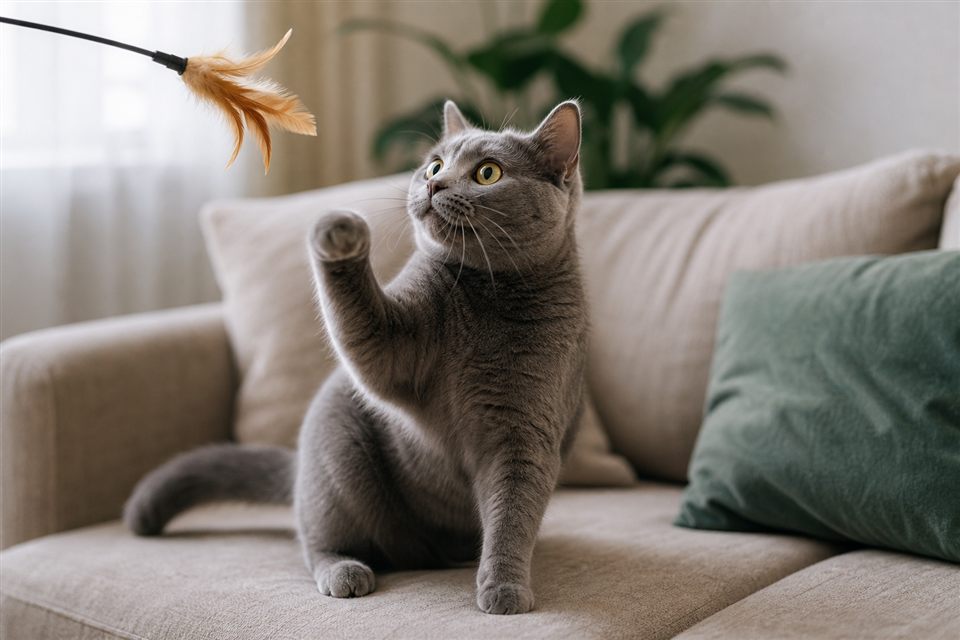
You turn the key, open the door, and your cat appears with a rolling "rrrooow-brrrt" — part purr, part chirrup, impossible to ignore. Trills and chirps are among the most welcoming sounds in the feline vocabulary. When directed at you at the door, they usually mean gladness, not alarm.
Key Points
- Trills are friendly, social vocalizations distinct from meows and hiss.
- Mother cats trill to kittens; adults often trill to trusted humans and companions.
- Coming-home trills commonly signal greeting, affection, or invitation to interact.
- Chirps may accompany excitement about food, play, or your arrival routine.
- Context and body language clarify whether the sound is happy or stressed.
What Is a Trill?
A trill — sometimes called a chirrup — is produced with the mouth closed or barely open. It rolls upward in pitch, softer than a meow and warmer than a chirp aimed at birds through the window. Cats rarely trill at strangers they distrust. The sound sits firmly in the affiliative category of cat talk.
Why Homecoming Triggers It
Your return restores safety, companionship, and predictable routines — meals, play, lap time. Cats who bond closely with their people often announce arrivals the way they might greet another cat in the household. The trill says, in effect, "You are back, and I am pleased."
Some cats trill while rubbing your legs, tail upright with a slight hook at the tip — classic friendly feline greeting posture. Others trill-trot ahead toward the food bowl or favorite toy, blending hello with a request. That is normal social negotiation, not manipulation.
Trills vs. Other Vocalizations
Meows are more variable and often directed at humans for specific outcomes. Purring can mean contentment or, sometimes, stress. Chattering at windows usually targets prey. Hissing signals fear or offense. Trills and happy chirps pair with relaxed ears, soft eyes, and voluntary approach.
If vocalization is constant, loud, or paired with hiding, appetite loss, or aggression, look beyond greeting behavior for pain, anxiety, or illness.
How to Respond
Acknowledge the greeting with calm voice, gentle petting if your cat enjoys touch, or a predictable routine they anticipate. Ignoring a trilling cat is not harmful occasionally, but consistent warm response reinforces the bond they are actively building.
Bottom Line
When your cat trills or chirps as you walk in, they are most likely expressing genuine social joy — a feline welcome home rooted in trust and attachment. Answer in kind with presence and kindness.
Veterinary Disclaimer
This article is for educational purposes only and does not replace professional veterinary advice. Sudden increases in vocalization, especially with behavior or appetite changes, warrant a veterinary examination.