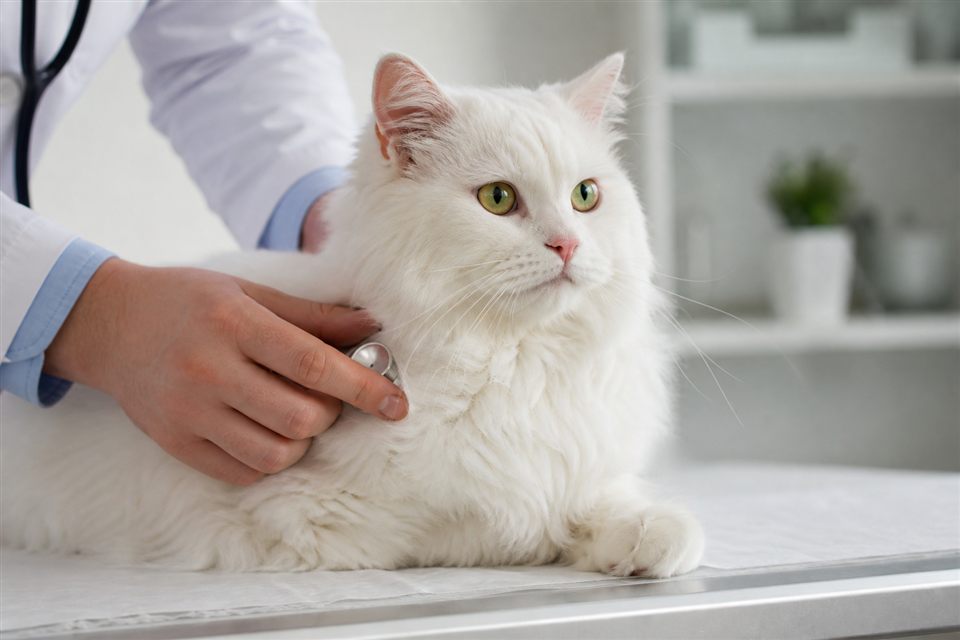
Friday at 9:40 p.m., Sable Quinn was answering email in Boise when Cricket, her 8-pound gray shorthair, exploded on the sofa. Cricket had been loafed, eyes half shut. The tail went from still to a hard, whipping arc that slapped the cushion three times. Then Cricket spun and bit the base of her own tail. It lasted maybe eight seconds. Last winter a similar burst had been shrugged off as “hunting in her sleep” until a $140 exam found flea dirt Sable had missed. She filmed the next episode and checked the tail skin with a phone light.
Key points at a glance
- Small twitches in light sleep are often normal muscle chatter
- A violent whip plus self-biting is not “just dreaming”
- Skin, fleas, and anal itch can light up the tail at rest
- Feline hyperesthesia is a real pattern; it is a diagnosis of exclusion
- Pain in the back or tail base can look like a mood swing
- Same-week visit if episodes cluster, skin breaks, or the cat cries
Resting is when you finally see it
Cats spend a lot of the day in a light doze. A tip flick at a dust mote is ordinary. A full-tail thrash that wakes the cat and sends her after her own spine is a different movie.
Dreaming happens in deeper sleep. You may see whisker twitches, paw paddling, a soft chirp. The cat usually stays down. Cricket did not stay down. She attacked the tail, then looked startled, then licked the spot.
Arousal from leftover play sits in the middle. A cat who hunted a laser at 9:20 can still be “on” at 9:40. Ending play with a toy she can catch, then a meal, is useful data.
Skin and nerves share the tail
The tail base is a flea favorite. Flea dirt or a bald racing stripe along the spine changes the story from “cute twitch” to “itch.” Anal sac discomfort and tapeworm segments can send a cat after the rear end. So can a mat or a hidden abscess.
Feline hyperesthesia syndrome is the label people jump to. The skin along the back ripples. The tail lashes. The cat may dash, vocalize, or self-mutilate. It is real. Vets use it after they have looked for fleas, pain, and seizure-like activity.
| What you see | More likely | Next step |
|---|---|---|
| Tip flick, cat stays loafed | Normal doze / attention | Watch; no treatment |
| Whip, then bite at tail base | Itch, fleas, tail-base pain | Comb, exam, flea control |
| Rippling skin, frantic running | Possible hyperesthesia or pain | Video for the vet; medical rule-out |
| Twitch plus crying, limp tail | Trauma, nerve, or fracture | Same-day care |
| After a new litter or new cat | Stress plus redirected arousal | Enrich; still check skin |
A tail that hangs limp or is cold after a door slam is an emergency. Cricket’s tail had tone. That was the one reassuring thing on Friday.
How to log an episode
Video beats adjectives. Capture the start if you can: eyes, ears, whether the back skin rolls, whether Cricket is conscious and tracking. Note time, last meal, last play, and whether outdoor cats were at the glass. Comb. Look under the tail for rice-grain tapeworm bits.
Do not punish the spin. Do not grab the tail. A tossed toy can interrupt some episodes. If nothing interrupts and she seems gone for a few seconds, say that too.
At home, finish play with a catchable toy and food. Keep flea prevention current on every pet. None of that replaces an exam if the tail is raw or the bursts come in clusters.
Expect a flea comb, a neurologic feel of the tail and spine, and questions that sound oddly specific. They may suggest pain control as a trial if the back is sore, or a dermatology path if the skin is the engine.
Sable’s winter visit had been fleas. This Friday’s video showed a ripple and a bite, no flea dirt this time. The vet treated for itch and started a pain-and-skin workup rather than a mystery label. Cricket still flicks the tip when a cursor moves. She has not whipped the sofa in two weeks.
A violent tail episode with self-trauma or pain is not a quirk to wait out. This article is general education. Have your veterinarian review a video and examine the cat.