Miso misjudged the gap from bookshelf to desk—a favorite parkour route— and landed awkwardly on her front left paw. Within an hour the paw looked puffy, toes spread wider than usual, and Miso held it off the ground when she walked to the litter box. She still ate, but hopping on three legs replaced her usual silent glide. Her owner, Devon, felt heat in the paw and wondered: sprain, break, or something else entirely? Jump-related paw swelling in cats often involves soft tissue injury, but fractures and hidden abscesses belong on the list too.
Key points at a glance
- Swollen paw after a fall or jump commonly reflects sprain, strain, or fracture—cats hide pain but limping exposes it.
- Fractures may involve toes, metacarpals, or wrist (carpus); swelling and non-weight-bearing suggest break over mild sprain.
- Bite abscesses from outdoor fights can swell a paw without a witnessed jump—timing may mislead owners.
- Do not give human ibuprofen, acetaminophen, or aspirin— all are toxic or dangerous to cats.
- Radiographs (X-rays) distinguish sprain from fracture when exam is inconclusive.
- Rest, pain control from your vet, and confinement heal many soft tissue injuries; fractures may need splinting or surgery.
Sprain versus break: what owners observe
Sprains and strains stretch or tear ligaments, tendons, or muscles. Swelling may be mild to moderate. Some weight-bearing returns within days. Pain on manipulation without crunching sensation or gross deformity fits soft tissue injury.
Fractures break bone. Toes may angle wrong; swelling can be dramatic; cats often refuse all weight. High-impact jumps onto hard surfaces or catching a foot in a gap cause breaks. Devon felt Miso wince when he touched the wrist—not the toes alone.
Puncture abscess: Small bite entry hole closes; infection swells the paw over twenty-four to seventy-two hours. Fever, lethargy, and painful lump may follow. Indoor-only Miso made abscess less likely unless another pet fought her.
Cellulitis or foreign body: Thorns, splinters, or ingrown claws swell one toe.
| Sign | Sprain more likely | Fracture more likely |
|---|---|---|
| Weight bearing | Partial, improving | None or toe-touch only |
| Deformity | None | Possible toe angle change |
| Swelling site | Diffuse joint | Localized, severe |
| Onset | Immediate mild | Immediate, worsens |
| Pain on palpation | Moderate | Severe, may cry |
Why cats jump until they do not
Cats rely on precise proprioception. A distracted leap, extra weight, arthritis in an older cat, or slick surfaces turns a routine jump into injury. Overweight cats land harder. Kittens misestimate distances. Senior cats with weakened ligaments sprain easier.
Devon admitted the bookshelf highway was new since rearranging furniture—Miso's familiar launch point had shifted.
First aid at home—within limits
Confine Miso to a small room with low-sided litter box, food, and water on one level—no climbing.
Do not massage vigorously; do not attempt splinting with tape unless a vet instructs— improper splints cut circulation.
Cold compress wrapped in cloth for five to ten minutes a few times daily in the first twenty-four hours may reduce swelling if Miso tolerates it.
Check claws for splits or overgrown nail curling into pad.
Schedule vet exam same day or next for non-weight-bearing lameness; waiting a week on a possible fracture delays healing and increases pain.
What the veterinarian will do
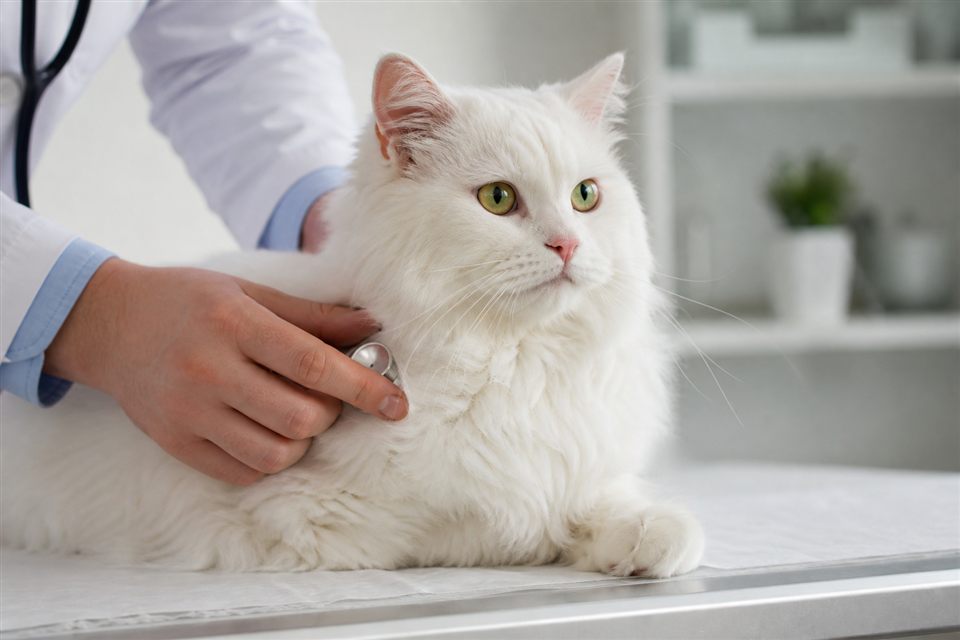
Orthopedic exam checks joint stability, pain localization, and neuro function. Radiographs of paw and carpus if fracture suspected. Pain medication safe for cats—buprenorphine, robenacoxib class drugs per label and vet guidance only.
Treatment:
- Soft tissue: Rest two to six weeks, limited activity, analgesics.
- Simple fractures: Splint or cast, recheck radiographs.
- Complex fractures: Surgical repair referral.
- Abscess: Lance, flush, antibiotics.
Physical therapy is less formal for cats than dogs but controlled movement after healing prevents stiffness.
The bottom line
A swollen paw after jumping in Miso could be sprain or break—and only exam and often X-rays tell which. Devon's same-day vet visit found a carpal sprain, not a fracture: rest and cat-safe pain meds for two weeks. Rule out abscess if an outdoor cat or multi-cat fight history exists. Never medicate with human painkillers. Three-legged hopping is a cat asking for help, not drama.
This article is for general informational purposes and is not a substitute for professional veterinary advice. Non-weight-bearing lameness warrants prompt veterinary evaluation.