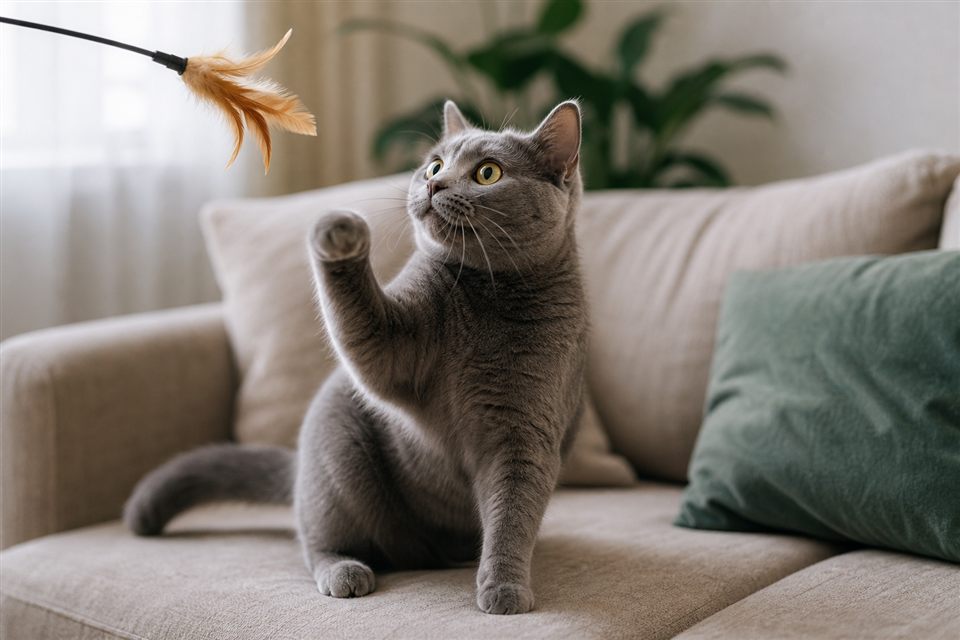
You follow your cat's gaze to a blank wall. Nothing moves. They chirp softly, tail twitches, then walk away. Most wall-staring is normal cat sensory life — dust motes, pipe sounds, or five minutes of zoning out. New obsessive staring with personality change raises flags for vision loss, focal seizures, or cognitive decline worth a vet conversation.
Key points at a glance
- Occasional wall watching in healthy cats is usually benign — light, sound, or bug too small to see.
- Head pressing flat against wall is different from staring — urgent vet sign.
- Senior cats with nightly staring plus confusion may have cognitive dysfunction syndrome (CDS).
- Sudden onset in young cat — eye exam and neurological consult.
- Video a 30-second clip for your veterinarian if episodes repeat.
Benign reasons cats stare at "nothing"
Micro-movements and light
Cats see lower light and faster motion better than humans. Sunbeam dust, ceiling fan shadow, or insect behind paint draws locked gaze.
Hearing behind walls
Rodents, plumbing, neighbors — ears rotate before eyes confirm. Staring at corner where sound originates looks like hallucination to you.
Resting alertness
Cats hold still while assessing — not always sleep, not always illness. Short episodes normal.
Play memory
Some cats pounce wall after staring — ghost hunting leftover from earlier bug sighting.
When staring worries veterinarians
| Sign | Possible concern |
|---|---|
| Head pressed hard into wall/corner | Hepatic encephalopathy, toxin, severe illness — emergency |
| Staring + lip smacking, paddling | Focal seizure — video for vet |
| Staring + bumping objects, dilated pupils | Vision loss, hypertension |
| Senior: staring + night yowling, litter mistakes | Cognitive dysfunction |
| Staring + weight loss, thirst | Hyperthyroidism, other metabolic disease |
Head pressing is not casual leaning — cat pushes skull firm against surface unwilling to move.
Vision and blood pressure in cats
Hypertension from kidney or thyroid disease damages eyes and brain — cats stare, act lost, or bleed into retina. Blood pressure check simple in clinic.
Sudden blindness — cats startle, stare, hesitant navigation.
Cognitive dysfunction in aging cats
Like dog dementia — disorientation, altered sleep, vocalization, staring episodes. No cure; management with enrichment, night lights, vet-approved supplements or meds improves quality.
What to do at home
- Record video — duration, body language, recovery.
- Note frequency — once weekly vs hourly.
- Avoid startling cat mid-episode unless unsafe.
- Schedule exam if new behavior persists two weeks or pairs with other signs.
Do not assume "cats see ghosts" and skip medical rule-out for new senior patterns.
What your vet may recommend
- Physical and neurologic exam.
- Ophthalmology check and blood pressure.
- Blood work — thyroid, kidney, liver.
- Referral for MRI if seizure suspected.
The bottom line
Cats staring at walls usually chase light, sound, or imagination — harmless cat weirdness. Head pressing, obsessive new staring with confusion, or vision changes need veterinary attention promptly. Film episodes, track how often they happen, and especially in senior cats, treat wall-watching as a possible early clue rather than a paranormal event.
This article is for general education only and does not replace advice from a licensed veterinarian. Head pressing is an emergency sign.