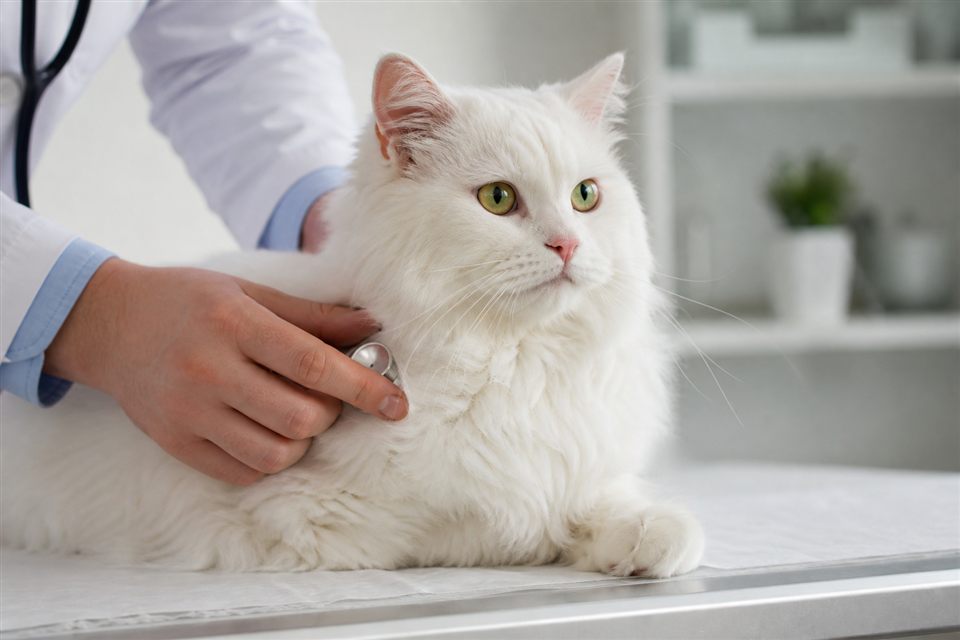
Every day at roughly seven a.m., Sofia's cat, Bean, launched into a burst of three to five sneezes while stretching on the bedroom windowsill. By the time Sofia poured coffee, Bean was grooming calmly with no further sneezing for the rest of the day — no discharge, no lethargy, no loss of appetite. The pattern was so consistent that Sofia almost stopped worrying, yet she wondered why mornings triggered sneezes when Bean seemed perfectly healthy otherwise.
Key points at a glance
- Morning-only sneezing is often environmental — dust, dry air, or allergens
- Sleeping in one spot concentrates dust and dander near the nose
- Mild viral or allergic rhinitis can flare at wake-up then settle
- Occasional clear sneezes without other symptoms are usually low concern
- Persistent sneezing, colored discharge, or weight loss need a vet visit
Why do cats sneeze more in the morning?
Sneezing clears the nasal passages of irritants. Overnight, several factors concentrate those irritants or dry out nasal tissue so the first breaths of the day trigger a sneeze reflex.
Dust and dander buildup — cats sleeping in the same bed, pillow, or sunny windowsill inhale accumulated house dust, fabric fibers, and their own shed fur upon waking. A few sneezes clear the passages efficiently.
Dry air — heating systems and air conditioning reduce humidity overnight. Dry nasal membranes are more irritable and sneeze more readily in the morning. Winter months worsen this pattern.
Mild allergic rhinitis — cats sensitive to dust mites, pollen, or mold may sneeze when first exposed after hours in a relatively enclosed space. Pollen counts peak early morning outdoors; an open window can bring irritants inside.
Residual viral infection — feline herpesvirus (FHV-1) lurks in many cats and flares during stress or immune dips. Morning sneeze clusters with clear discharge, followed by normal days, fit this intermittent pattern. Stress from nighttime activity or multi-cat tension can trigger morning flares.
Strong scents — morning routines introduce perfume, coffee, cleaning sprays, or litter box dust that a freshly awake cat notices immediately.
When is morning sneezing normal versus concerning?
| Pattern | Likely low concern | See the vet |
|---|---|---|
| Frequency | Few sneezes once daily | Sneezing all day or worsening |
| Discharge | None or brief clear | Yellow, green, or bloody |
| Appetite and energy | Normal | Reduced appetite, hiding |
| Duration | Months, stable | New or escalating over weeks |
| Other cats | Only one cat affected | Multiple cats sneezing |
Bean sneezed four times, had clear eyes, and ate normally — Sofia felt comfortable monitoring while making a few environmental changes first.
What can you reduce at home?
Wash bedding weekly in hot water to cut dust mites. Vacuum sleeping areas and consider a HEPA air purifier in the bedroom. Increase humidity with a humidifier if winter air is dry — aim for 40 to 50 percent relative humidity.
Switch to low-dust litter and scoop boxes before morning so your cat is not inhaling litter particles at wake-up. Avoid spraying strong cleaners or aerosols near sleeping areas. Open windows briefly for fresh air if outdoor pollen is not the trigger.
Reduce stress for herpes-prone cats with consistent feeding times and separate resources in multi-cat homes.
What will the vet do if sneezing persists or worsens?
Examination includes eyes, nose, throat, and lymph nodes. Testing may include discharge cytology, FHV-1 screening, and dental X-rays to rule out infection or tooth root abscess. Treatment targets the cause — antivirals, antibiotics, allergy medication, or environmental management alone for mild cases.
When should you stop watching and call the vet?
Schedule an appointment if morning sneezing increases in frequency, colored or bloody discharge appears, your cat develops watery or squinting eyes, breathing becomes noisy, or weight loss occurs. Cats hide illness well — a pattern that changes is more meaningful than a stable quirk.
Frequently asked questions
Can litter box dust cause morning sneezing? Yes. If the box is near the sleeping area or cleaned first thing in the morning, litter dust is a common trigger. Low-dust formulas and covered boxes with carbon filters help.
Is feline herpes contagious to other cats? FHV-1 spreads between cats through direct contact and shared environments. Most infected cats carry the virus latently; flare-ups occur during stress rather than constant contagious sneezing.
This article is for informational purposes only and does not replace professional veterinary advice. Persistent, worsening, or bloody sneezing requires veterinary evaluation.