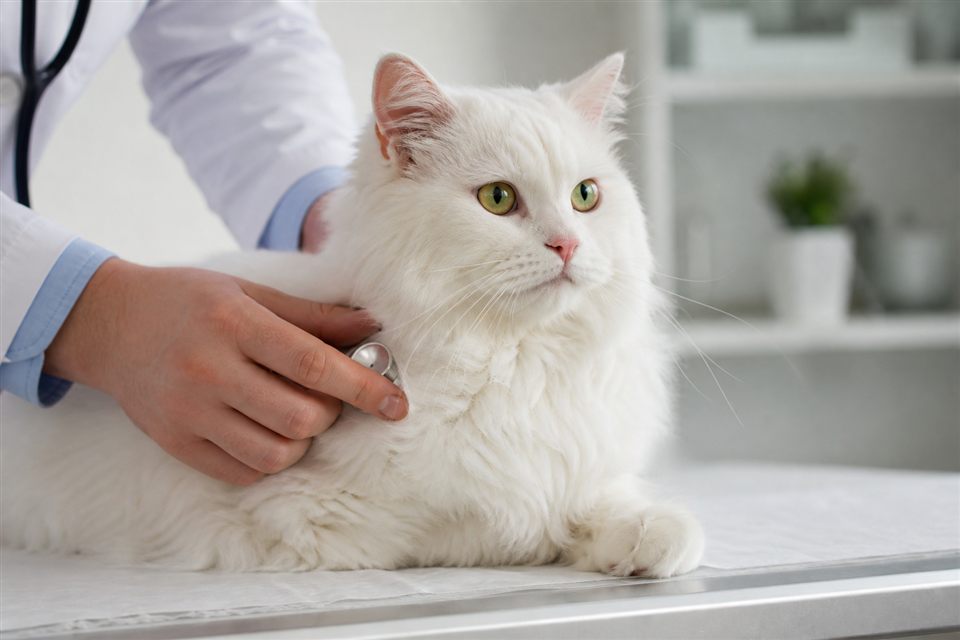
Luna's usually crisp white eyelid margins turned pink overnight, like she had cried then rubbed her face on the couch. Both eyes looked equally red at the rim, with a little clear goop in the inner corners. She was not squinting hard or hiding in darkness. Her owner, Rafael, wondered whether pollen season had arrived indoors or if contagious conjunctivitis had spread from the neighbor's cat who visited last weekend. Red rims around feline eyes invite that fork: allergic irritation versus infectious conjunctivitis—and sometimes both.
Key points at a glance
- Red eyelid margins and conjunctiva often indicate conjunctivitis—inflammation that may be infectious, allergic, or irritant-driven.
- Allergic conjunctivitis typically affects both eyes with watery discharge and itching; infectious cases may start one eye then spread.
- Feline herpesvirus (FHV-1) is a leading cause of recurrent feline conjunctivitis, often flaring with stress.
- Do not use leftover human or dog eye drops; some ingredients harm cats.
- Squinting, yellow-green pus, corneal cloudiness, or third eyelid protrusion need prompt veterinary care.
- Diagnosis guides treatment—antibiotics do not fix viral or allergic causes alone.
Conjunctivitis versus allergies in cats
Conjunctivitis means inflammation of the conjunctiva—the pink membrane lining lids and covering the sclera. Causes overlap:
Infectious: Bacterial secondary infection, Chlamydia felis, Mycoplasma, FHV-1. May produce mucous or yellow discharge. Contagious potential among cats varies by agent; herpes is lifelong latent in many cats.
Allergic: Pollen, dust, mold, fragrance, or food allergy manifests as bilateral redness, watery tears, and face rubbing. Seasonal patterns help identification.
Irritant: Smoke, litter dust, new cleaning products. Improves when exposure stops.
True "allergies only" without conjunctival inflammation is rare—allergic cats usually have conjunctivitis from the allergic trigger. The distinction matters for treatment, not naming.
| Feature | Allergic / irritant | Infectious conjunctivitis |
|---|---|---|
| Eyes affected | Often both equally | May start one, spread |
| Discharge | Clear, watery | Mucoid to yellow-green |
| Contagion to other cats | Unlikely | Possible (bacteria, Chlamydia) |
| Recurrence | Seasonal, environmental | Stress-triggered (herpes) |
| Systemic signs | Sneezing mild | May have fever, URI signs |
What the red rim looks like in practice
Rafael noted Luna's corneas stayed clear and bright—no ulcer haze. She ate normally. Mild bilateral rim redness with clear discharge suggested allergy or low-grade irritant after Rafael changed laundry detergent for the blanket Luna slept on.
Herpes flare would often add squinting, more goop after sleep, and possibly corneal involvement in severe cases. Bacterial overgrowth on top of viral inflammation produces thicker pus—needs targeted meds.
What not to do at home
Avoid human visine, steroid drops without diagnosis, or essential oils near eyes. Steroids worsen untreated herpes ulcers catastrophically.
Do not touch both eyes with the same wipe if only one is affected initially—cross-contamination spreads infection.
Warm compress with separate clean cloths per eye soothes crust; use boiled cooled water.
Veterinary diagnosis and treatment
Fluorescein stain checks corneal ulcers—mandatory before steroids. Schirmer tear test if dry eye suspected in breeds like Persians. Cytology or PCR panels identify Chlamydia, Mycoplasma, herpes in persistent cases.
Treatment examples:
- Allergic: Remove trigger, saline flush, antihistamines or short steroid courses only if ulcers ruled out.
- Herpes: L-lysine evidence mixed; antivirals like famciclovir in moderate-severe cases; reduce stress.
- Bacterial: Topical antibiotic drops vet-prescribed.
- Chlamydia: Systemic doxycycline class protocols.
Luna improved after Rafael switched back to unscented detergent and used vet-prescribed lubricating drops for a week—irritant conjunctivitis, not contagious crisis.
When urgency rises
Same-day vet if:
- Holding eye shut or light sensitivity
- Cloudy cornea or visible scratch
- Thick yellow-green discharge
- Third eyelid covering much of the eye
- Facial swelling or fever
Routine visit if mild bilateral redness persists beyond three days despite removing new products.
The bottom line
Red rims around Luna's eyes signaled conjunctivitis— inflammation that can stem from allergies, irritants, or infection. Bilateral clear discharge after a new detergent pointed Rafael toward irritant allergy, confirmed when switching back helped. Conjunctivitis versus allergies is less either-or than which trigger and whether corneal infection lurks underneath. Eyes warrant gentle care, no random drops, and vet guidance when squinting or pus appear.
This article is for general informational purposes and is not a substitute for professional veterinary advice. Eye redness with squinting or discharge requires veterinary examination.