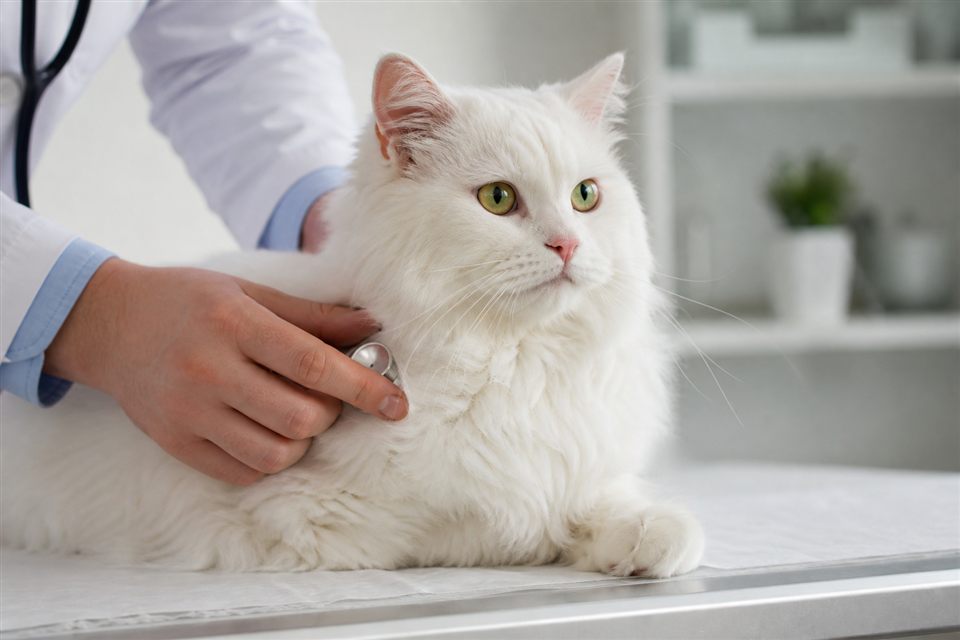
Cleo used to greet Kay with a bright trill every morning. After a week of occasional coughing, her meows turned scratchy — thin, cracked, sometimes silent when she opened her mouth to call. Cleo still ate and played, but Kay heard effort in each vocalization, as if Cleo's throat were raw. Kay searched whether cats get laryngitis like humans and when hoarseness crosses from passing irritation to airway emergency.
The larynx modulates airflow and voice. Inflammation — laryngitis — from infection, irritation, or mechanical trauma roughens meows and may accompany cough. Hoarseness also appears with upper airway disease, nasopharyngeal polyps, laryngeal paralysis rare in cats, hyperthyroidism-linked voice changes, and tumors. Most mild cases resolve with treating underlying trigger; stridor, open-mouth breathing, or cyanosis is never wait-and-see.
Key points at a glance
- Raspy or lost meow often reflects laryngeal or pharyngeal inflammation — viral URI common in cats.
- Persistent hoarseness beyond two weeks or worsening stridor needs sedated oral exam and imaging.
- Asthma and heart disease cause cough that secondarily strains voice — do not ignore cough cluster.
- Nasopharyngeal polyps in young cats cause voice change, snoring, and nasal discharge.
- Labored breathing, blue gums, or neck extension are emergencies regardless of voice.
How Cleo's voice changed over days
Upper respiratory infections in multicat homes spread herpesvirus and calicivirus — common causes of transient laryngitis with sneezing, conjunctivitis, and nasal congestion. Cleo had mild sneeze and watery eye week prior; voice change followed as post-viral inflammation settled on vocal cords.
Meow hoarseness sounded like human laryngitis: same cat, damaged timbre. Silent meows — mouth moves, minimal sound — occur when swelling limits cord vibration.
Kay noted Cleo had no difficulty swallowing food or water — important negative sign against mass obstruction. Appetite stable.
Common causes of raspy meow in cats
Viral upper respiratory infection — Most frequent; self-limiting one to three weeks often; support care.
Bacterial secondary infection — If fever, purulent nasal discharge, lethargy — antibiotics after vet exam.
Post-intubation or trauma — Recent anesthesia or collar injury.
Excessive vocalization strain — Less documented but possible after prolonged yelling.
Asthma — Cough, wheeze, effort breathing; voice secondary.
Nasopharyngeal polyp — Young adult cats; snoring, gagging, head shake; voice muffled.
Laryngeal mass or edema — Progressive; weight loss possible.
Hyperthyroidism — Older cats; voice change uncommon sign among many others.
Eosinophilic granuloma or oral disease — If oral pain limits meow effort differently.
Cleo's URI history fit viral laryngitis first line.
When laryngitis is serious: breathing red flags
Voice alone rarely kills; airway narrowing kills. Emergency if Cleo shows:
- Breathing with open mouth at rest — cats hide respiratory distress until late
- Stridor — high-pitched inspiratory noise
- Extended neck, elbows out, abdominal effort breathing
- Blue or gray gum color
- Collapse or extreme lethargy
- Cannot lie down comfortably — orthopnea suggests severe compromise
Urgent vet within twenty-four to forty-eight hours if:
- Hoarseness worsens over days instead of improving
- Nasal congestion blocks eating — cats won't eat what they can't smell
- Fever, not eating forty-eight hours, or thick green discharge
- Single nostril blockage with voice change — polyp suspicion
- Hoarseness over two weeks without URI signs resolving
Kay booked Cleo when voice still raspy day ten but breathing remained normal — reasonable timing.
What the vet visit included
Oral exam under sedation if polyp suspected — Cleo had mild pharyngeal redness, no mass visible awake. Chest radiographs clear — asthma less likely. Treating supportive URI: humidified air, brief lysine discussion mixed evidence, ensure hydration, appetite enticement with warm wet food.
Antibiotics only if bacterial signs — Cleo had none. Voice normalized three weeks later.
If polyp found, traction removal or ventral bulla osteotomy referral follows. Chronic hoarseness in senior cat triggers thyroid and comprehensive bloodwork.
Home support Kay provided during recovery
Humidifier near resting area loosened secretions. Warm broth-added meals maintained nutrition when smell dulled. Reduced stress, isolated from new cat introductions temporarily.
No human cough suppressants or decongestants without vet dose — toxicities common.
Monitored respiratory rate at rest — normal cat under thirty breaths per minute sleeping; elevation signals vet call.
Prevention and long-term monitoring
Vaccinate kittens for core URI viruses; reduce multicat overcrowding stress. Address chronic cough — untreated asthma damages airways long term.
Annual senior labs catch hyperthyroidism early. Collar safety breakaway prevents laryngeal trauma.
The bottom line
A raspy meow or hoarse voice in cats like Cleo often follows mild laryngitis from upper respiratory infection and improves as congestion clears — especially when appetite and breathing stay normal. Kay was right to watch closely: voice change plus labored breathing, stridor, or progressive worsening demands immediate airway evaluation, not honey home remedies. Persistent hoarseness beyond two weeks needs sedated exam for polyps, masses, or chronic disease. Cleo's scratchy trill resolved with supportive care once serious obstruction was ruled out.
This article is for general information only and is not a substitute for advice from your veterinarian.