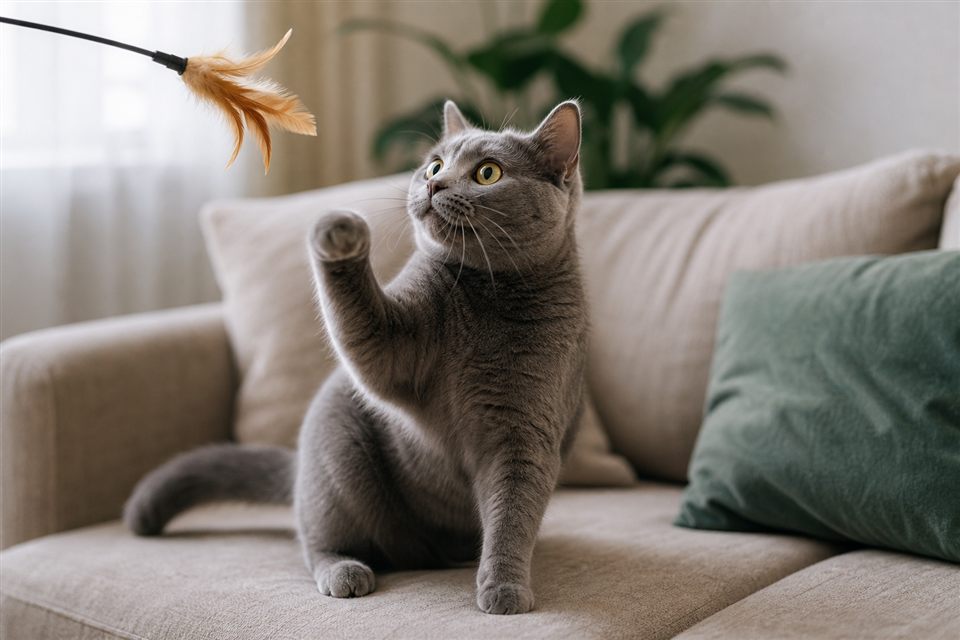
Lena's tabby, Figaro, approached the water bowl each morning like a cautious jeweler inspecting a gem. He tapped the surface once, twice, sometimes flicked water across the tile, then finally drank. Lena read online that whisker fatigue from deep narrow bowls was the culprit. She bought a wide shallow dish. Figaro still pawed. The behavior was not solved by bowl geometry alone—because cats paw water for several overlapping reasons, and whisker fatigue is only one piece of a wider puzzle.
Key points at a glance
- Pawing water before drinking is common cat behavior and not automatically a medical problem.
- Possible causes include whisker sensitivity, vision quirks, play instinct, testing depth, and preference for moving water.
- Whisker fatigue is real but overdiagnosed—wide bowls help some cats, not all.
- Sudden changes in drinking or pawing paired with lethargy warrant a vet visit.
- Bowl shape, placement, fountain options, and mat setup often reduce splashing.
What pawing before drinking looks like
Figaro's ritual varied:
- One or two gentle taps with a front paw
- Swirling water in circular motions
- Splashing that wet the kitchen mat
- Paw dip, shake, then lap from the wet paw or bowl edge
Some cats paw only fresh water after a refill. Others paw stagnant water and refuse it—then drink from a dripping faucet. Context helps identify motivation.
Is it whisker fatigue?
Whisker fatigue (more accurately, whisker stress or overstimulation) happens when a cat's sensitive vibrissae repeatedly touch high-sided bowls during eating or drinking. Whiskers detect subtle pressure; cramped bowls can feel irritating during long meals.
Signs that might involve whiskers:
- Eating from the center of the bowl only, leaving a rim of food
- Pulling food onto the floor to eat
- Preferring wide flat plates for wet food
- Hesitation at deep narrow water cups
Lena's shallow dish helped Figaro eat wet food more comfortably—but his water pawing continued. Whisker fatigue explained part of her cat's preferences, not the whole performance at the water bowl.
Other reasons cats paw water
Testing depth and movement. Cats have blind spots close to the nose. Pawing confirms where the surface is and whether water is still. Moving water reflects light differently—easier to see.
Instinct to prefer flowing water. Wild felids often drink from streams; stagnant bowls feel less trustworthy. Pawing creates ripples that mimic movement.
Play and curiosity. Kittens and young cats especially treat water as a fascinating toy. Figaro was three and still occasionally batted droplets for fun before drinking.
Scent and debris checking. Cats may paw to dislodge dust, food crumbs, or whisker oil floating on top.
Temperature preference. Some cats paw to assess coolness or request fresh refill from the human who appears when bowls splash.
Learned attention. If splashing brought Lena running with a fresh bowl, Figaro learned splashing worked.
| Cause | Clue | Try this |
|---|---|---|
| Whisker sensitivity | Avoids deep bowls for food too | Wide shallow dish |
| Vision | Paws still water, loves faucet | Fountain, raised bowl |
| Play | Splashes without drinking after | Heavier bowl, mat, play elsewhere |
| Freshness | Ignores old water | Smaller volumes, frequent refill |
| Habit | Same ritual daily, healthy cat | Accept or add fountain |
When pawing suggests a health concern
Schedule a veterinary check if Figaro shows new or sudden changes:
- Dramatically increased water consumption
- Pawing but rarely drinking
- Weight loss, vomiting, or lethargy
- Dropping food, mouth pain, or dental disease signs
Polydipsia can indicate kidney disease, diabetes, or hyperthyroidism. Pawing alone in an otherwise normal cat is rarely medical—but drinking volume changes matter.
Practical setup changes that help
Wide shallow water bowl in stainless steel, ceramic, or glass—avoid porous plastic that holds odors.
Water fountain with filter for cats who want movement. Clean weekly to prevent slime.
Separate food and water by several feet—many cats dislike adjacent placement.
Multiple stations in multi-cat homes reduce competition.
Heavy base or non-slip mat limits tipping and contains splashes.
Daily wash and refill—Figaro pawed less when Lena refilled twice daily.
Should you stop the pawing?
If Figaro drinks well, maintains weight, and splashing is manageable, pawing is harmless quirk. Redirect excessive play with morning hunting toys. Do not punish natural behavior.
If splashing is constant, a fountain often satisfies the desire for movement without the mess.
How fountains compare to wide bowls for pawing cats
Fountains solve two complaints at once: movement and fresh taste. Cats who paw still water often accept a stream without splashing the floor. The tradeoff is maintenance—filters, pumps, and weekly scrubbing. A wide ceramic dish with twice-daily refill is simpler but may not stop pawing entirely.
Lena ran both: fountain for daytime, shallow backup bowl in the bedroom for quiet nights. Figaro pawed the dish less once the fountain became his primary source. If your cat ignores fountains, try adjusting flow rate—some hate loud motors but accept a gentle trickle.
The bottom line
Figaro pawed his water bowl because cats combine sensory caution, preference for fresh moving water, and occasional play in one ritual—not because something was always wrong. Whisker fatigue is worth considering, especially if deep bowls coincide with food avoidance, but it is not the only explanation. Lena added a fountain, kept a wide dish as backup, and placed a mat beneath. Figaro still taps once before drinking, like a small chef tasting the broth. That is normal for many cats—and very on brand for Figaro.
This article is for general education only and does not replace advice from a licensed veterinarian.