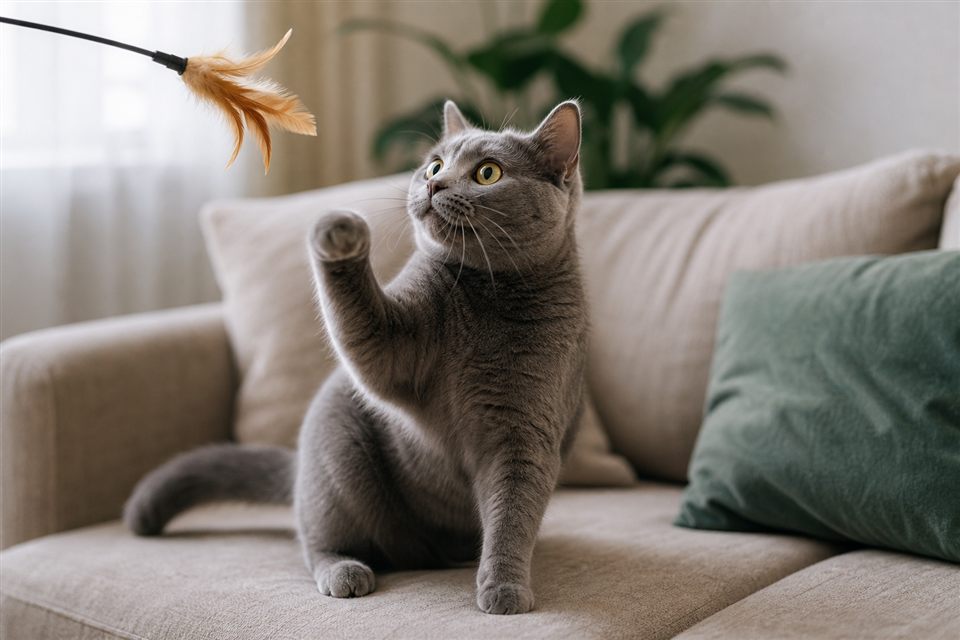
At two in the morning, Owen heard the familiar thunk of a cabinet door in his galley kitchen. He flicked on the light to find his Oriental shorthair, Noodle, sitting inside the under-sink cabinet among cleaning supplies he thought were secured. The door had swung open on its own—because Noodle had learned to hook a claw under the edge, pull, and paw until the magnetic catch gave way. Noodle blinked up at Owen as if to ask why humans stored such interesting caves behind closed doors.
Key points at a glance
- Cats open cabinets due to curiosity, food drive, hiding instinct, and boredom—especially at night when the house is quiet.
- Loose latches, worn magnets, and pull-handle doors are easy targets for smart cats.
- Kitchen cat-proofing combines physical locks, toxic item removal, and **nighttime enrichment.
- Night activity often peaks in young cats and breeds known for dexterity.
- Persistent nocturnal kitchen raids may improve with more daytime play and feeding puzzles.
Why cats become cabinet specialists
Exploration drive. Small spaces feel safe. A cabinet is a den with novel smells—spices, soap, forgotten treats.
Food association. Owen kept treats in a lower drawer once. Noodle never forgot. Even after Owen moved them, Noodle checked nightly.
Prey and play. Moths in the pantry, crinkling wrappers, rolling spice jars—cabinets are slot machines of stimulation.
Cool surfaces in summer. Some cats seek tile-floored under-sink areas for temperature comfort.
Attention history. If opening a door brought Owen running at 2 a.m., Noodle learned doors summon humans.
Dexterity and intelligence. Orientals, Bengals, Siamese mixes, and many moggies figure out sliding doors faster than owners expect.
Noodle was not misbehaving. He was exploiting an environment built for humans, not curious cats.
What happens when cats access kitchens at night
Beyond noise and mess, risks are real:
- Toxic cleaners under sinks
- Human medications in low drawers
- String, twist ties, and plastic ingestion hazards
- Sharp objects and broken glass if contents spill
- Stuck cats inside broken cabinets
Owen moved cleaners the morning after the Noodle incident. Prevention is non-negotiable.
How to cat-proof cabinets and drawers
Child safety locks rated for strength. Magnetic multi-lock systems, U-shaped cabinet locks, and adhesive strap locks work on double doors. Test whether your cat can still pry them—Noodle defeated weak magnets.
Knob covers on pull handles slow paw-opener cats.
Install latches on drawers containing food, foil, or plastic bags.
Remove attractants. No food storage in lower cabinets. Treats live in sealed bins on high shelves or in latched pantries.
Secure the trash with a can inside a latched cabinet or a heavy paw-proof lid.
Block access with a kitchen gate if the layout allows—some apartments use freestanding pet gates at hallway entrances.
Soft-close hardware alone rarely stops cats; it only reduces slamming.
| Problem area | Fix |
|---|---|
| Under-sink cleaners | Move to locked high cabinet or utility closet |
| Snack drawer | Empty or heavy latch |
| Pantry moths | Sealed containers, fewer cardboard boxes |
| Loose door swing | Secondary latch, rope tie when away |
Reducing nighttime kitchen visits
Physical locks are essential, but behavior support lowers motivation.
Evening play session—ten to fifteen minutes of wand toy hunting before bed tires Noodle's brain.
Late meal or puzzle feeder so night hunger does not drive scavenging.
Daytime cabinet enrichment—occasionally hide a treat in a cat-safe puzzle box outside the kitchen so Noodle's detective work has an approved venue.
Ignore attention-seeking opens when safe; respond only after calm to avoid reinforcing 2 a.m. summons.
Clicker train "leave it" on cabinet doors during supervised daytime practice—transferable but not a substitute for locks at night.
When night kitchen raids suggest other issues
Consult your vet if Noodle suddenly increases nocturnal activity with weight loss, howling, or disorientation—especially in seniors where cognitive dysfunction or hyperthyroidism can drive restless pacing and searching.
Young cats need outlets; sick cats need diagnosis.
Quick bedtime checklist for cabinet-opening cats
Before Owen went to sleep, he ran a 60-second kitchen sweep: all lower latches clicked, trash secured, dishwasher closed (Noodle learned to paw that door too), stove knobs covered if reachable, and no food wrappers on counters. He left one approved puzzle box with a few kibble pieces in the living room so Noodle's night energy had a legal target.
If Noodle opened something despite locks, Owen treated it as a hardware failure, not a cat failure—upgrading latches beat scolding at 2 a.m. Consistency mattered more than perfection; one unlocked under-sink cabinet reset Noodle's entire exploration habit within a week.
Building a kitchen routine that works
Owen's final setup: all cleaners relocated, child locks on every lower door, trash in a latched pantry, and a timed feeder at 11 p.m. Noodle still tried the spice cabinet weekly—but the latch held, and approved puzzle boxes in the living room absorbed his curiosity. Owen slept through most nights again.
The bottom line
Noodle opened Owen's cabinets at night because closed doors hide smells, dens, and memories of treats—and because cats with clever paws treat latches as puzzles. Cat-proofing means strong locks, moving toxins and food, and enriching the dark hours so the kitchen is less interesting than elsewhere. Assume your cat will eventually open any unsecured door. Owen did—and Noodle now finds his adventures in safer, intentional places instead of under the sink.
This article is for general education only and does not replace advice from a licensed veterinarian.