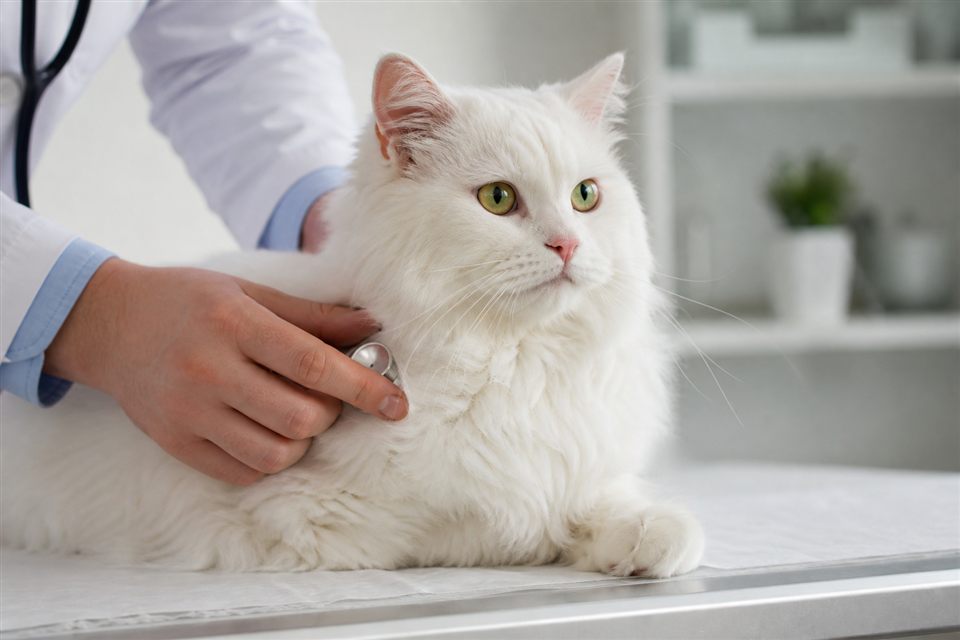
Hannah noticed it at 5 a.m. — her usually bright-eyed ragdoll, Cleo, had one eye nearly shut while the other stared at the food bowl completely normally. No discharge, no sneezing, no pawing. Just a squint. Hannah almost waited until morning, but something about a one-sided eye change felt urgent enough to call the emergency line.
Key points at a glance
- One squinty eye (blepharospasm) almost always indicates pain or irritation in that eye
- Corneal scratches and ulcers are the most common cause in otherwise healthy cats
- Lack of discharge does not rule out a serious eye problem
- Eye issues can worsen rapidly — same-day evaluation is recommended
- Never use leftover human eye drops or ointments without veterinary approval
Why would only one eye squint?
Squinting is the eye's protective reflex against pain, light sensitivity, or foreign material. When only one eye is affected, the problem is localized to that eye.
Common causes: corneal abrasion or ulcer from a claw during play, plant, or litter dust; conjunctivitis localized to one eye; foreign body trapped under the eyelid; glaucoma with increased pressure; uveitis from infection or trauma; and eyelid abnormalities like entropion.
Cleo's emergency vet found a superficial corneal scratch — likely from a playful swat with her housemate.
Why are there no other symptoms?
Cats groom discharge away quickly, hide discomfort, and continue eating normally. Superficial corneal injuries may not produce visible discharge for 24 hours. The absence of other symptoms means the problem is early — not that the eye is fine.
How can you assess the eye at home?
| Check | Normal | Concerning |
|---|---|---|
| Eyelid opening | Equal both sides | One eye narrower |
| Cornea (surface) | Clear, shiny | Cloudy, dull, or hazy |
| Pupil size | Similar (in same light) | Clearly different |
| Third eyelid | Barely visible | Raised or covering eye |
Do not force the eye open. A fluorescein stain test at the vet reveals scratches invisible to the naked eye.
When is this an emergency?
Seek same-day care when one eye is squinted shut, the cornea looks cloudy, pupil sizes differ, squinting followed known trauma, or your cat is hiding or not eating. Eye conditions can deteriorate within hours.
What treatment looks like
Corneal abrasions — topical antibiotic drops and an Elizabethan collar. Most heal in three to seven days. Corneal ulcers — deeper cases may need serum-based eye drops, anti-inflammatory medication safe for the cornea, and sometimes surgery for non-healing cases. Glaucoma requires pressure-lowering drops and referral to a veterinary ophthalmologist. Conjunctivitis is treated with antibiotic or antiviral drops depending on cause.
Never use human eye drops containing steroids on an undiagnosed eye — steroids worsen corneal ulcers and can cause rupture.
Cleo wore a soft collar for five days and received antibiotic drops three times daily. Her squint resolved by the follow-up visit.
How do you prevent eye injuries?
Keep claws trimmed on cats that play rough with housemates. Avoid loose litter that kicks up dust. Remove sharp plant edges and secure window blind cords. For breeds prone to eye issues (Persians, Himalayans), schedule regular ophthalmologic checkups.
Frequently asked questions
Can a cat squint one eye from stress? True one-sided squinting with the eye partially closed indicates physical discomfort. Rule out medical causes first.
Will a corneal scratch heal on its own? Superficial scratches may heal without treatment, but antibiotic coverage prevents infection that converts a simple scratch into a serious ulcer. Always have squinting evaluated.
This article is for informational purposes only and does not replace professional veterinary advice. Treat any one-sided eye squint as potentially urgent and contact your veterinarian promptly.