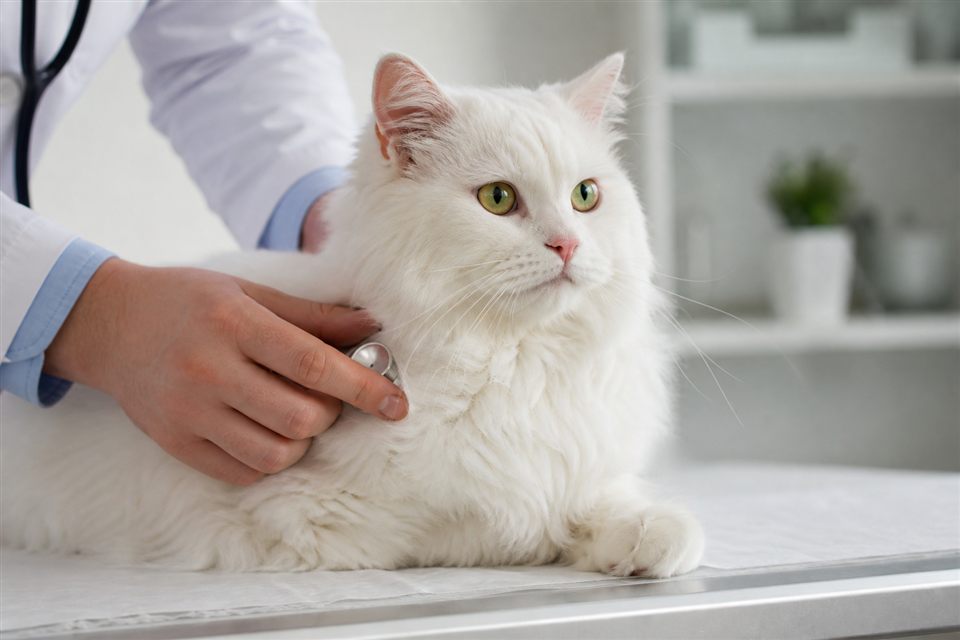
Greg was used to his cat, Willow, greeting him with a curious head angle — it was part of her charm. But when he touched her left ear and felt warmth that the right ear did not have, combined with a tilt that seemed more pronounced than usual, he wondered whether this was personality or pathology. Willow was still eating and purring, yet she stumbled slightly when she jumped off the couch. One hot ear plus a new head tilt deserved a closer look.
Key points at a glance
- One warm ear often signals inflammation from infection, mites, or allergy
- Head tilt with ear warmth suggests inner or middle ear involvement
- Ear mites and bacterial or yeast otitis are common and treatable
- Idiopathic vestibular disease causes sudden tilt without infection
- Severe tilt with vomiting, circling, or eye flickering needs same-day vet care
Why is one ear hot?
Cats dissipate heat through their ears, so mildly warm ears after sunbathing or exercise are normal. One ear noticeably warmer than the other usually means increased blood flow from inflammation.
Otitis externa — bacterial or yeast infection of the ear canal — produces heat, redness, odor, and sometimes discharge. Cats may scratch the ear or shake their head.
Ear mites (Otodectes cynotis) cause intense itching, dark crumbly discharge resembling coffee grounds, and inflamed, warm ear canals. Common in kittens and cats with outdoor exposure.
Allergic otitis — food or environmental allergies inflame ear skin chronically. Flare-ups make one or both ears hot and itchy.
Aural hematoma — blood pooling in the ear flap from head shaking — creates warmth and swelling of the pinna itself, distinct from a warm ear canal.
Fever — systemic illness raises overall body temperature, but ears are not reliably diagnostic for fever in cats. Rectal temperature at the vet is accurate.
What connects a hot ear to head tilt?
The inner ear controls balance. When infection spreads from the outer canal to the middle or inner ear, or when inflammation affects the vestibular nerve, the cat tilts its head toward the affected side.
Otitis media/interna — middle or inner ear infection — causes head tilt, balance loss, circling, and sometimes horizontal nystagmus (rapid eye flickering). The cat may fall or roll to one side.
Idiopathic vestibular disease — sudden onset head tilt, often in senior cats, without infection. Cause is unknown; most cats improve over days to weeks with supportive care.
Polyps in the middle ear — more common in young cats — cause chronic ear infection signs plus head tilt and sometimes nasal discharge.
Trauma or tumor — less common but possible, especially if signs progress slowly over weeks.
How can you assess Willow at home?
Look inside the ear with a flashlight — never insert cotton swabs deep into the canal. Check for redness, swelling, dark discharge, or odor. Note whether Willow scratches the ear, shakes her head, or holds the ear flat.
Compare both ears for temperature, discharge, and sensitivity to touch. Record a short video of the head tilt and any eye movement — this helps your vet assess vestibular function.
What will the vet do?
Otoscopic exam visualizes the canal and eardrum when possible. Ear cytology identifies bacteria, yeast, or mites. Sedated ear exam and imaging (X-rays or CT) evaluate middle ear disease if the eardrum is ruptured or a polyp is suspected. Neurological exam assesses balance and nerve function.
Treatment depends on cause: medicated ear drops for otitis, systemic treatment for mites, antibiotics for middle ear infection, or anti-nausea and supportive care for idiopathic vestibular disease. Surgery removes polyps that do not respond to medication.
When is it urgent?
Same-day evaluation is warranted if the head tilt appeared suddenly, Willow cannot walk steadily, she vomits repeatedly, her eyes flicker rapidly, or she cries when the ear is touched. These signs suggest significant vestibular disturbance that benefits from early treatment and pain management.
Frequently asked questions
Can a hot ear mean my cat has a fever? Ear temperature alone is unreliable for detecting fever. Other signs like lethargy, reduced appetite, and warm paws together suggest systemic illness — confirm with a vet.
Will head tilt from an ear infection go away? Most cats recover fully with appropriate treatment. Permanent mild tilt is possible if inner ear damage is severe or if vestibular disease in a senior cat leaves residual balance changes.
This article is for informational purposes only and does not replace professional veterinary advice. Sudden head tilt with ear symptoms requires veterinary evaluation.