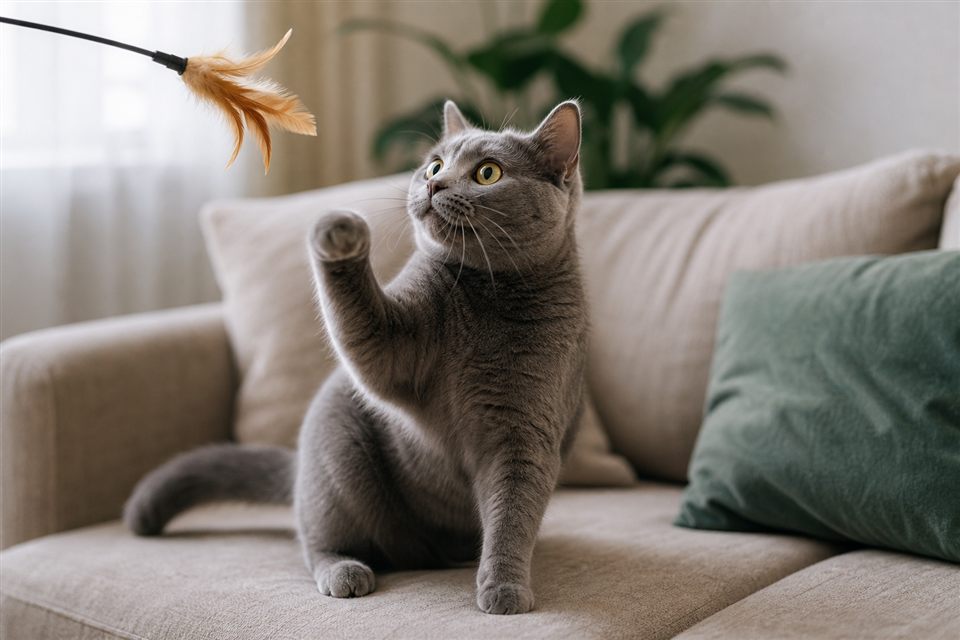
At eleven p.m., Dana settled into bed and within seconds her orange tabby, Croissant, climbed aboard and began kneading her sternum like dough destined for a bakery window. Front paws pushed, claws extended then sheathed, rhythm steady. The purr that followed was not polite—it was industrial, vibrating through Dana's ribs. Croissant's eyes half-closed in bliss. Dana wondered whether the biscuits were love, ownership, or a flashback to kittenhood—and whether that volume of purring could mean anything medical.
Key points at a glance
- Kneading ("making biscuits") on your chest is usually comfort behavior rooted in nursing and attachment.
- Loud purring during kneading often signals deep relaxation and contentment, not distress.
- Cats choose soft, warm, familiar surfaces—your chest checks every box.
- Claws during kneading are normal; trim nails or use a blanket barrier if it hurts.
- Sudden new kneading with hiding, appetite loss, or painful reactions needs veterinary attention.
- Not all purring equals happiness—context and body language complete the picture.
What kneading means in cat history
Kittens knead the mother cat's belly to stimulate milk flow. The motion persists into adulthood as a self-soothing ritual tied to safety and warmth. When Croissant kneaded Dana's chest, she revisited the neural playlist labeled safe, fed, loved.
Adult cats knead blankets, other cats, and trusted humans—not random strangers. Location matters. The chest rises and falls gently with breathing, mimicking the rise of a nursing queen's body.
Why the chest and why so loud
Warmth. Your torso holds heat; Croissant was a heat-seeking missile with paws.
Heartbeat proximity. Rhythmic sound and motion calm cats similarly to white noise.
Scent familiarity. Dana's sleep shirt smelled like home base.
Bonding display. Kneading deposits scent from paw pads while accepting vulnerable contact—belly-up trust is rare in feline politics.
Loud purring during kneading typically reflects pleasure. Some cats are simply loud engines; Oriental breeds especially purr like small motorcycles. Volume alone rarely alarms vets unless paired with illness signs.
Purring is not always purely happy
Cats also purr during pain, fear, or illness—possibly self-soothing. Watch Croissant's full picture:
- Relaxed whiskers, slow blink, loose body = content biscuits.
- Flat ears, tense muscles, purr with shallow breathing = investigate further.
If Croissant suddenly kneaded constantly, avoided being touched elsewhere, or purred while hunched and not eating, Dana would schedule an exam. Dental pain, arthritis in shoulders used for kneading, and abdominal discomfort can change kneading patterns.
Managing claws without rejecting the ritual
Dana kept Croissant's nails trimmed every two weeks. A folded fleece on her chest gave a sacrificial kneading zone. Redirecting to a heated cat bed after a few minutes honored the behavior without bruised skin.
Pushing Croissant off harshly could confuse affectionate intent. Gentle relocation worked better.
When kneading becomes compulsive
Rarely, cats knead hours daily with agitation—possible anxiety or cognitive changes in seniors. Environmental enrichment, predictable routines, and vet discussion about pain or hyperthyroidism help when intensity spikes without obvious trigger.
Do all cats knead?
Not every cat makes biscuits on humans. Some knead blankets only; others never knead visibly but still purr loudly during petting. Croissant was a dedicated kneader from adoption at six months—a habit suggesting early comfort with handling. Cats removed from nursing too early sometimes knead more; the link is debated, but Dana noticed Croissant's intensity dropped slightly after more daytime play reduced evening restlessness.
The chest versus lap versus stomach
Cats choose real estate by trust and warmth. Chest kneading places them near your face—vulnerable for a prey species. Stomach kneading happens less because many cats dislike belly exposure even while kneading. Croissant preferred Dana's chest at night and the fleece throw on the couch during TV time. Same behavior, different security levels.
Sharing the bed with a kneading cat
Dana shifted Croissant's heaviest sessions earlier in the evening so midnight biscuits did not wake her. A heated cat bed beside the mattress gave an alternative when Dana needed sleep. Croissant still visited most nights—the ritual mattered to both of them.
The bottom line
Croissant on Dana's chest, paws working, purr at full throttle, was a compliment written in rhythm. Biscuit-making on you means your cat feels safe enough to replay kitten comfort on your heartbeat. Dana kept the fleece barrier, trimmed nails, and learned to read when loud purring was joy versus when a vet should listen too.
This article is for general education only and does not replace advice from a licensed veterinarian.