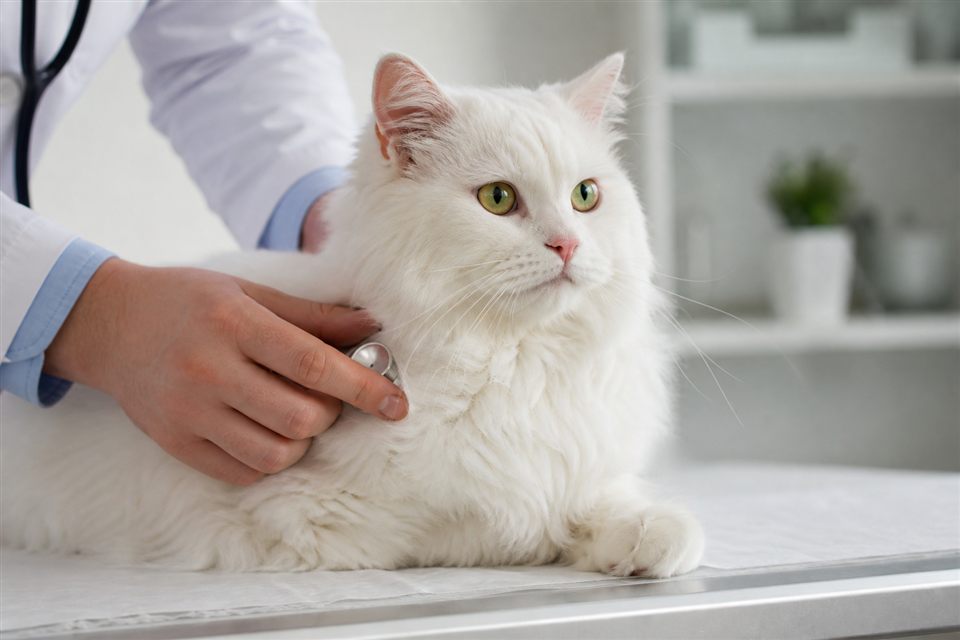
Two weeks after Bean's annual vaccines, Holly felt a firm marble under the skin between his shoulder blades—the same spot the technician had given injections. Bean did not flinch when she touched it; no fever, appetite unchanged. Holly's search history swung between "normal vaccine lump" and "injection-site sarcoma," both of which appear in cat health forums with equal alarm. Shoulder lumps after shots are common; most resolve. A minority need intervention. Knowing the timeline and red flags calms the panic without dismissing rare serious causes.
Key points at a glance
- Small firm lumps at vaccine or injection sites often appear days to weeks later and usually shrink within one to three months.
- Injection-site reactions include localized inflammation, sterile granuloma, and occasionally abscess from bacterial contamination.
- Feline injection-site sarcoma (FISS) is rare but serious—firm lump persisting or growing past twelve weeks needs biopsy.
- Shoulder region historically received vaccines; many clinics now use lower leg sites for easier tumor detection if needed.
- Warm, painful, rapidly enlarging lumps suggest abscess—not wait-and-see.
- Never squeeze or lance a vaccine lump at home.
Normal injection site reaction
Vaccines stimulate immune response. Local inflammation creates a palpable nodule under skin or in muscle. Typical benign lump: firm, not painful, size of pea to grape, appears within days to two weeks post-vaccination, slowly shrinks over four to twelve weeks.
Bean's lump at two weeks, non-painful, post-FVRCP/rabies visit fit the common pattern Holly's vet described on the phone.
Multiple injections given close together may feel like one larger mass—note how many shots and where.
| Timeline | Expected benign reaction | Concerning sign |
|---|---|---|
| Days 3–14 | Lump appears, firm | Hot, painful, red |
| Weeks 2–8 | Stable or shrinking | Growing fast |
| Months 1–3 | Resolves or nearly gone | Still enlarging |
| Beyond 3 months | Gone | Persistent or bigger → vet |
Abscess versus sterile lump
Sterile granuloma: immune reaction without infection; firm, cool, cat feels fine.
Abscess: bacteria introduced during injection or from needle tracking skin flora. Becomes soft, warm, painful; may rupture with pus. Cat may be feverish or hide. Needs veterinary drainage and antibiotics.
Holly monitored Bean daily: same size, no heat—granuloma track.
Injection-site sarcoma: rare but real
FISS is aggressive cancer linked historically to adjuvanted vaccines and repeated injections in interscapular area. Presents as firm subcutaneous mass at or near prior injection site, often growing after initial inflammation should have resolved—weeks to months post-vaccine, sometimes years later.
Red flags for FISS workup:
- Lump growing after twelve weeks
- Larger than two centimeters and enlarging
- Persistent more than three months
- Ulceration or fixation to underlying tissue
Modern feline vaccine guidelines favor non-adjuvanted products and distal limb vaccination (lower leg) so amputation can treat sarcoma if it occurs—shoulder lumps are legacy geography for many adult cats vaccinated before protocol shifts.
Biopsy—not guesswork—diagnoses FISS. Do not assume every shoulder lump is cancer; do assume persistence warrants sampling.
Other shoulder lumps unrelated to vaccines
Lipomas (uncommon in cats), bite abscess from fighting, cysts, and lymph node enlargement occur in the same region. Full history—outdoor access, recent vet visit, fight wounds—guides thinking.
What Holly and her vet did
Phone triage confirmed recent vaccines and benign character. Recheck scheduled at six weeks if lump persisted. Holly measured with calipers weekly and photographed. By week five Bean's lump was pea-sized down from grape; gone by week ten.
If it had grown, aspiration cytology or biopsy would have been next—not immediate amputation, but informed diagnosis.
The bottom line
Bean's hard shoulder lump after vaccination was a routine injection-site reaction resolving on schedule—not abscess, not sarcoma. Holly's measurement habit and vet call turned anxiety into a watch plan. Most post-vaccine nodules fade within three months; heat, pain, growth after three months, or enlargement beyond twelve weeks escalates to biopsy. Shoulder geography reflects where shots were given, not automatic doom. Watch firm lumps with a calendar, not Dr. Internet alone.
This article is for general informational purposes and is not a substitute for professional veterinary advice. Persistent or growing injection-site lumps require veterinary evaluation.