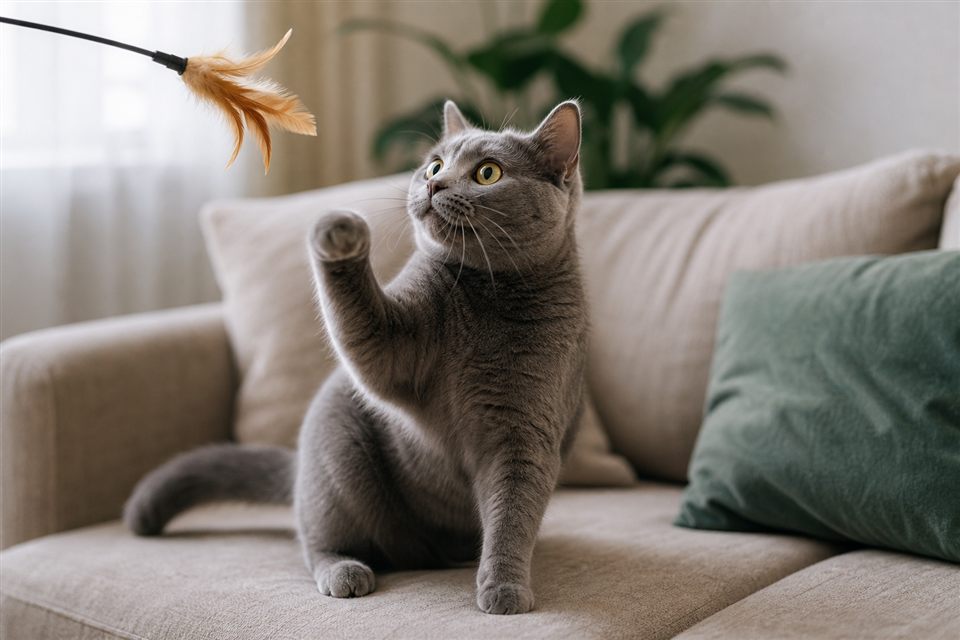
Priya's cat, Fig, purred and growled at the same time — a rumble that sounded like a tiny engine misfiring. When Priya stroked Fig's back during wet food breakfast, Fig low-growled without lifting her head or swatting. Priya froze. Was Fig angry? Was the growl a request to stop — or background noise from a cat who simply did not want sharing drama while she ate? The answer sat in the middle: mild resource guarding vocalization paired with trust toward a known person.
Key points at a glance
- Growling during meals often signals mild food guarding — a normal though manageable feline behavior.
- Allowing petting while growling usually means Fig trusts Priya but wants the bowl respected.
- Do not punish growling; it is communication. Adjust approach instead.
- Escalation to hissing, swatting, or biting means back off and consult a behavior professional.
- Sudden new growling with appetite changes warrants a veterinary exam for pain or illness.
Why cats growl over food but accept touch
Resource guarding. Food is high value. Low growls warn nearby beings — human or animal — that the meal is occupied. Many cats guard vocally without escalating to bites.
Dual messaging. Fig's purr reflected pleasure in food and possibly in Priya's presence. The growl addressed proximity to the bowl, not necessarily the petting itself.
Trust with boundaries. Fig allowed Priya close because household history was safe. The growl set a soft limit rather than launching an attack.
Learned ritual. If Priya always petted during meals and Fig always grumbled then continued eating, both sides reinforced a odd but stable routine.
Medical discomfort. Dental pain or nausea can make cats irritable at meals. Sudden guarding in a previously silent eater deserves a vet look.
Is growling while eating normal?
Mild vocal grumbling without escalation is relatively common and not automatically dangerous — especially in multi-cat homes or cats with past scarcity. Normal in this context means:
- Growl is quiet and brief
- Fig continues eating
- No swats, bites, or stiff frozen posture
- Behavior is stable over time, not worsening weekly
Not normal or safe:
- Fig stops eating to stare and lash out
- Guarding spreads to sleeping spots, toys, or people walking past
- Children cannot pass without aggression
- Appetite drops while guarding intensifies
What Priya changed to reduce mealtime tension
Give space at the bowl. Priya petted Fig before food arrived, not during the first hungry minutes.
Separate feeding stations. In multi-cat homes, visual barriers between bowls reduce competitive growling.
Predictable schedule. Meals at consistent times lowered anxiety around scarcity.
No bowl removal during eating. Reaching for Fig's dish while she ate reinforced guarding fear.
Trade-up games away from meals. Priya practiced offering high treats when Fig left a non-food item voluntarily — building positive association with human proximity to resources.
Never punish vocalizations. Startling Fig for growling can suppress warnings and increase bite risk later.
| Fig's signal | Meaning | Priya's best move |
|---|---|---|
| Low growl, keeps eating | Mild guard warning | Reduce bowl proximity touch |
| Purr + growl combo | Mixed comfort/guard | Pet shoulders, not near mouth |
| Stiff body, stops eating | Escalation brewing | Step back entirely |
| Hiss or swat | Clear stop signal | End approach, behavior consult if repeated |
Growling plus petting: should you keep petting?
If Fig continues eating calmly and shows loose body language, brief gentle petting away from the head and bowl may be tolerated — but it is not required for bonding. Many behavior professionals recommend letting cats eat undisturbed and enriching affection outside mealtimes instead.
Priya shifted to post-meal cuddle sessions. Growling at breakfast faded within weeks.
When to see a veterinarian or behaviorist
Book a vet visit if Fig:
- Newly growls at every meal after years of silence
- Chews on one side, drools, or drops food — dental pain mimics guarding
- Loses weight while acting protective over bowls
- Guarding generalizes rapidly to non-food items
Consult a certified cat behavior consultant if aggression escalates despite environmental changes.
The bottom line
A cat who growls when eating but still allows petting is often expressing mild food guarding toward the meal while maintaining trust toward you — common, communicative, and usually manageable with space and routine. Fig was not broken; she was saying the bowl mattered. Priya respected the rumble, adjusted when she touched, and saved affection for after plates were cleared. Listen to growls as information, not insult — and act quickly if warnings sharpen into bites.
This article is for general informational purposes only and does not replace advice from your veterinarian or a certified cat behavior consultant.