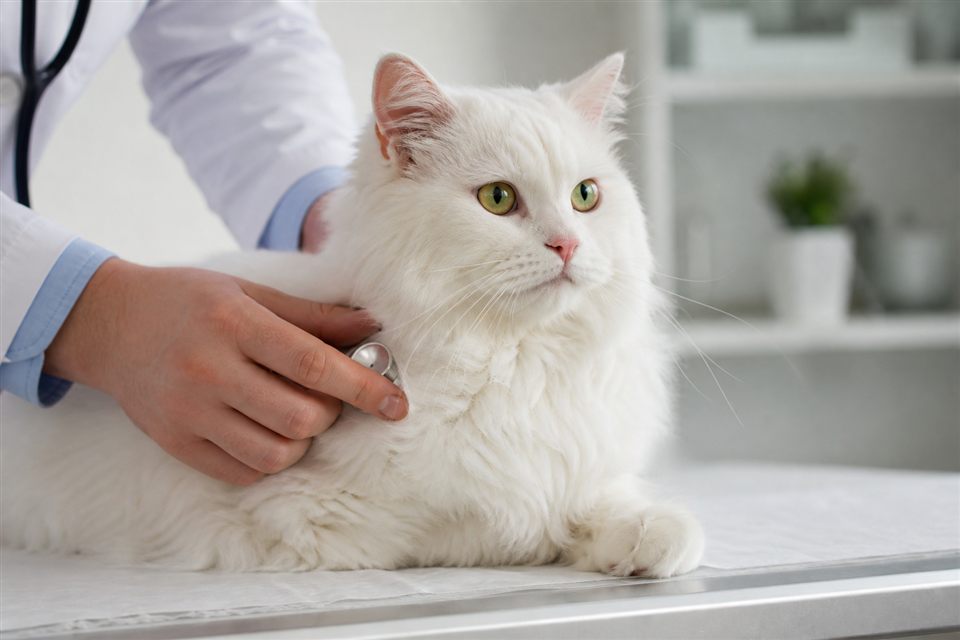
When Theo stopped reaching the stripe of fur along his spine during baths-with-tongue, the hair there turned dull, clumped, and distinctly oily—like someone rubbed a small amount of cooking spray between his shoulder blades. The rest of his coat stayed sleek from face and leg grooming. His owner, Priya, worried about skin disease versus simple laziness. Greasy fur localized to the back in cats usually means failure to groom that zone—often from pain, weight, or age—or seborrhea, where the skin overproduces oil. Sometimes both.
Key points at a glance
- Cats who cannot or do not groom their mid-back develop greasy, matted fur along the spine and rump—the "hard-to-reach" strip.
- Obesity, arthritis, dental pain, and general malaise reduce grooming flexibility and motivation.
- Primary seborrhea is uncommon in cats; secondary seborrhea accompanies allergies, mites, fungal infection, or hormonal disease.
- Greasy back with dandruff, odor, or redness needs veterinary skin workup—not only bathing.
- Weight loss, joint supplements, and pain control restore grooming in many arthritic seniors.
- Gentle brushing and vet-approved degreasing shampoos help; frequent human shampooing strips skin and worsens oil rebound.
Why the back gets greasy first
Flexible cats groom nearly all surfaces. The mid-back and loin require spinal twisting. Overweight cats cannot contort; arthritic spines and hips hurt when twisting; oral pain makes cats groom less overall but the back shows it first because it gets partial care from front paws at best.
Theo's twelve-pound frame had crept up; his last vet noted BCS 8/9. He still washed his face meticulously while his back went oily—classic grooming failure pattern.
Seborrhea means abnormal sebum production or turnover. Feline primary seborrhea is rare. Secondary seborrhea follows:
- Demodex or Notoedres mites
- Malassezia yeast overgrowth
- Allergic skin disease
- Hyperthyroidism (greasy coat can appear with other signs)
- Diabetes or other systemic illness reducing grooming
| Clue | Failure to groom | Seborrhea / skin disease |
|---|---|---|
| Weight / mobility | Overweight, stiff | Any weight |
| Itching | Mild unless secondary yeast | Often scratchy, red skin |
| Distribution | Mid-back stripe | May spread, ears, face |
| Odor | Mild oily | Yeasty or strong |
| Systemic signs | Gradual | May have weight change, thirst |
When greasy back is a medical red flag
Schedule vet exam if:
- Sudden coat change in a previously fastidious cat
- Hair loss, redness, scales, or black specks (flea dirt)
- Weight loss despite good appetite (hyperthyroid)
- Lethargy, increased drinking, or litter box changes
- Grease spreads despite improved weight
Priya's vet ruled out mites and yeast with skin scrape and tape prep; Theo's greasy stripe tracked obesity and early hip arthritis on radiographs.
What treatment and support look like
Address root cause: Weight management plan with measured meals. Pain medication and joint support for arthritis—grooming often rebounds when movement hurts less.
Skin treatment if secondary seborrhea: Medicated shampoos (chlorhexidine, antifungal) per vet schedule. Topical or oral therapy for mites or yeast. Allergy management if identified.
Assist grooming: Soft brush sessions Theo tolerated on the back—positive treats. Unscented pet wipes for spot cleaning between baths. Avoid essential oils toxic to cats.
Do not bathe weekly with dish soap or human shampoo—disrupts skin barrier, increases oil and flake.
Theo lost two pounds over four months; his back fur regained normal texture without medicated baths once he could reach again.
Prevention in senior and chunky cats
Regular weigh-ins. Joint-friendly ramps reduce leap strain. Dental checks—mouth pain silently stops grooming. Monitor the mid-back stripe during petting as early wellness barometer.
The bottom line
Theo's greasy back fur was failure to groom from weight and achy hips—not mysterious primary seborrhea. The spine stripe is where fastidious cats fall short when body or mouth hurts. Secondary oily skin disease needs diagnosis when itching, odor, or spread appear. Priya's vet visit turned a cosmetic worry into weight and pain plan; Theo’s back stripe went sleek again when he could twist without wincing. Greasy mid-back is a cat telling you grooming became too hard.
This article is for general informational purposes and is not a substitute for professional veterinary advice. Sudden coat changes warrant veterinary examination.