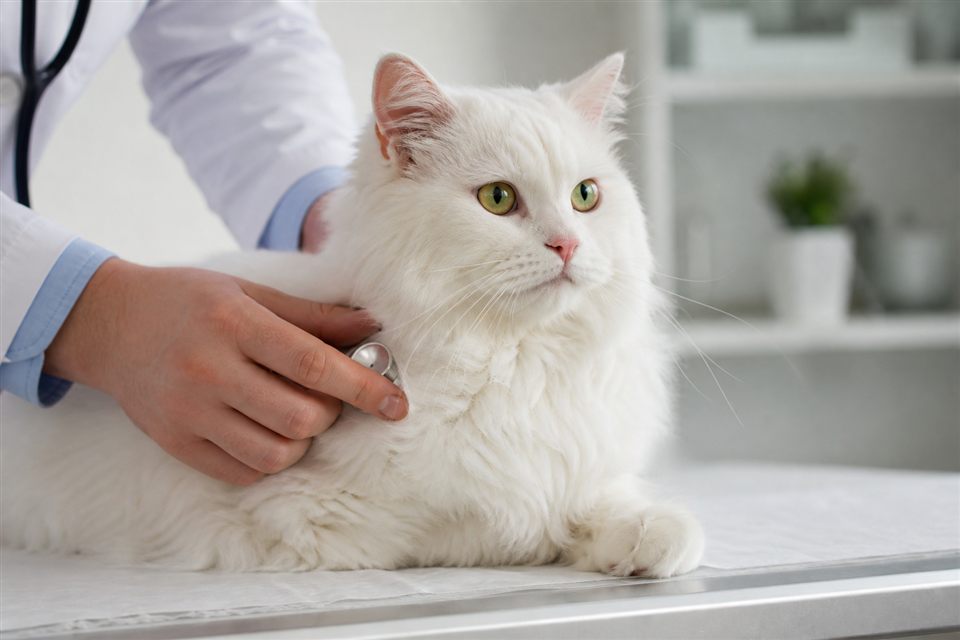
Three times before breakfast, Olive stretched her neck, made a harsh ack-ack sound at the carpet, and produced nothing. No hair cylinder, no bile—just empty gagging that left her swallowing hard and walking away. Her long-haired silhouette suggested hairballs to her owner, Nina, but Olive's episodes came in clusters during play and sometimes after the window was open on pollen-heavy days. Gagging without vomiting sits at a crossroads: hairball effort, feline asthma, nausea, or something stuck in the throat.
Key points at a glance
- Cats gag without producing vomit when hairball attempts fail, when asthma causes cough-gag spasms, or when nausea is mild.
- Asthma gagging often follows a crouched posture with neck extended; may include wheezing or fast breathing after episodes.
- Hairball gagging is common in long-haired cats; successful hairballs follow productive retching within minutes.
- Foreign body or esophageal disease causes repeated gagging—urgent if drooling or distress persists.
- Do not use petroleum-based hairball gels without vet approval; manage asthma with prescribed inhalers, not human inhalers ad hoc.
- Video your cat during episodes—pattern helps veterinarians distinguish cough from vomit from gag.
Hairball gagging: what it looks like
Cats groom constantly; swallowed fur accumulates in the stomach. When the mass irritates, cats retch with abdominal effort—sometimes vomiting food or foam before the hair cylinder emerges. Failed hairball attempts look dramatic: neck extended, mouth open, silent or hacking, then nothing. Olive's empty episodes fit this when she had not vomited in days and shed season was peak.
Management: daily brushing, hairball-formula diets, fiber supplements per vet advice. Productive hairball once every one to two weeks in long-haired cats may be normal; daily gagging is not.
Feline asthma: the mimic
Asthma is lower airway inflammation causing bronchoconstriction. Cats do not always wheeze audibly. Classic asthma attack posture: crouched low, neck extended, rapid shallow breathing, sometimes open-mouth breathing afterward. The sound owners describe as gagging may be a cough ending in gag—different from stomach retching.
Triggers: dust, pollen, smoke, litter dust, stress, cold air. Episodes cluster; cat may look normal between attacks early in disease.
| Feature | Hairball gag | Asthma cough-gag |
|---|---|---|
| Body posture | Standing or sitting, abdominal heave | Crouched, neck out |
| After episode | Normal quickly | May breathe fast |
| Product | Sometimes hair later | None |
| Triggers | Grooming, shedding | Dust, exercise, allergens |
| Breathing at rest | Normal | May show increased effort |
Nina filmed Olive: no abdominal heave, crouched posture, quick recovery but faster breathing for a minute—asthma suspicion rose.
Other causes of gagging without vomit
Nausea without full vomit: Kidney disease, pancreatitis, dietary intolerance—often with appetite change.
Esophagitis or foreign body: String, bone fragment, plant material—drooling, repeated gagging, distress. Linear foreign body (swallowed string) is surgical emergency.
Upper respiratory infection: Post-nasal drip triggers gag reflex.
Heart disease: Cough mistaken for gag in some cats—especially seniors.
What Nina did next
She stopped assuming hairball paste alone. Veterinary exam included lung auscultation, chest radiographs showing airway inflammation patterns, and trial of bronchodilator therapy. Olive improved on inhaled corticosteroids via Aerokat chamber—gagging clusters dropped to rare cough.
Concurrent brushing reduced hairball attempts that overlapped asthma signs—both could coexist.
When gagging is an emergency
Seek immediate care if:
- Open-mouth breathing or blue-tinged gums after episode
- Gagging with continuous drooling or pawing mouth
- Known string or ribbon ingestion
- Lethargy, collapse, or repeated episodes within hours
- Gagging plus abdominal distension and pain
Same-week appointment if:
- Daily or increasing gag episodes without product
- Weight loss, decreased appetite
- Exercise intolerance or resting respiratory rate over thirty breaths per minute (count sleeping cat)
The bottom line
Olive's gagging without throwing up was not a failed hairball alone—it was feline asthma masquerading as hairball theater. Hairballs and asthma both gag cats; posture, breathing afterward, and triggers separate them. Video and vet exam beat guessing. Productive hairballs occasionally are one thing; repeated empty gagging with fast breathing after is another. Nina's camera and radiographs gave Olive air again.
This article is for general informational purposes and is not a substitute for professional veterinary advice. Open-mouth breathing or persistent gagging requires urgent veterinary care.