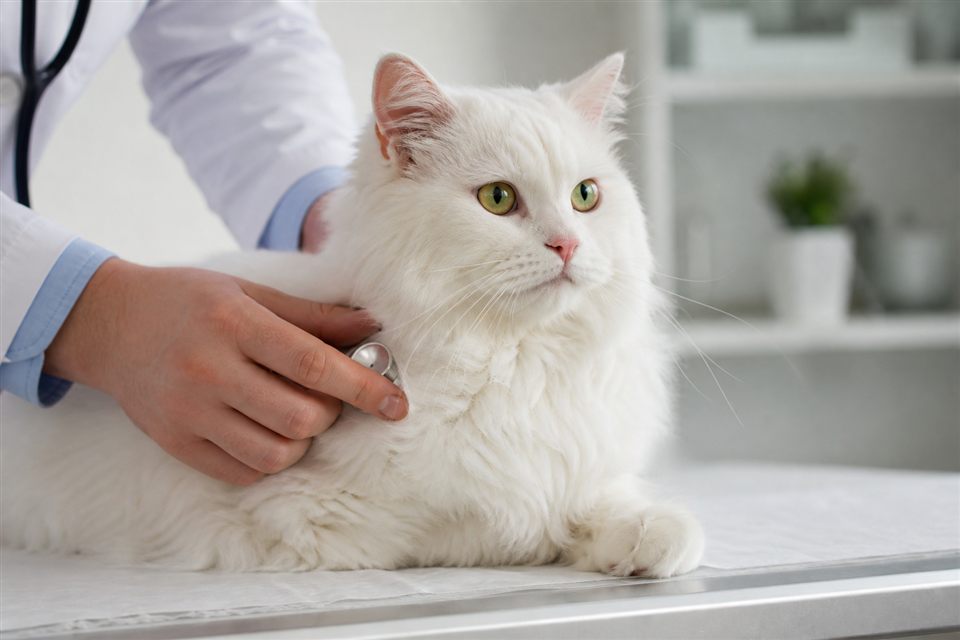
Robert had cuddled his cat Margot every evening for twelve years and knew her usual scent — faintly fishy after dinner, nothing more. One morning he recoiled from a wave of rotten odor and noticed wet spots on the couch where she had been resting. Margot was drooling for the first time in her life, and the combination of bad breath plus hypersalivation told him this was not ordinary aging.
Key points at a glance
- Sudden foul breath with drooling usually indicates an oral or systemic problem
- Dental abscess, oral tumor, and foreign body are top oral causes in senior cats
- Toxin exposure and kidney disease can also cause bad breath and drooling
- This combination warrants veterinary evaluation within 24 hours
- Do not give human medications or attempt oral exams on a painful cat
What causes bad breath and drooling to appear together?
Halitosis and hypersalivation share a common thread — something is irritating the mouth or making the cat nauseated. When both appear suddenly, the cause is usually active and progressing.
Dental abscess or severe periodontal disease — infected tooth roots produce pus with a rotten smell. Pain causes drooling as the cat avoids swallowing normally. Margot's vet found an abscessed upper molar with surrounding gum erosion.
Oral tumor — squamous cell carcinoma and fibrosarcoma grow quickly, ulcerate, and produce foul odor plus drooling.
Foreign body — string, bone fragments, or plant material lodged in the mouth causes salivation and bacterial overgrowth.
Stomatitis — severe oral inflammation with profuse drooling, often linked to calicivirus or immune dysfunction.
Toxin ingestion and kidney disease (uremic breath) — ammonia-like odor with drooling and nausea in advanced cases.
How urgent is this combination?
| Sign | Urgency |
|---|---|
| Bad breath + drooling, eating normally | Vet within 24 hours |
| Added pawing at mouth or dropping food | Vet same day |
| Difficulty breathing, vomiting, lethargy | Emergency vet now |
| Known toxin exposure | Emergency vet immediately |
Robert brought Margot in that afternoon. The abscess was drained, the tooth extracted, and within 48 hours the drooling stopped and the odor faded.
What can you check at home safely?
Avoid forcing your fingers into a painful cat's mouth. Look for facial swelling (especially under one eye — upper tooth abscess sign), blood-tinged drool, eating and grooming changes, and recent access to plants, medications, or string.
What will the vet do?
Examination often requires sedation because oral pain makes cats resistant. The workup includes full oral exam and dental probing, dental X-rays to assess tooth roots and jaw bone, blood work (CBC, chemistry) to rule out kidney or liver disease, biopsy of any suspicious mass, and toxin screening if exposure is suspected.
Treatment depends on findings. Abscessed teeth are extracted. Stomatitis may require multiple extractions or immunosuppressive therapy. Tumors need staging and referral to a veterinary oncologist. Toxin cases require decontamination and supportive care.
How do you prevent oral problems in cats?
Brush teeth daily if tolerated. Schedule professional dental cleanings as recommended. Feed dental-specific diets approved by the Veterinary Oral Health Council. Annual wellness blood work in senior cats catches systemic disease before breath changes become noticeable.
Frequently asked questions
Can bad breath in cats be normal? Mild food-related odor after eating is normal. Persistent foul, rotten, or ammonia-like breath indicates an underlying problem.
How much does dental extraction cost for cats? Costs vary widely ($300–$1,500+) depending on region, number of extractions, and whether X-rays and blood work are included. Dental disease is cheaper to prevent than to treat after abscess formation.
This article is for informational purposes only and does not replace professional veterinary advice. Sudden foul breath with drooling requires prompt veterinary evaluation.