Tuesday at 8:40 p.m., Tomasz put the wand down after the third hallway sprint. Nori, his 8-pound Abyssinian, sat, blinked, and a clear tear tracked from the inner corner of her right eye. Ten minutes later the fur was dry. He wiped it with his sleeve for weeks. Then one night the watering lasted until 7 a.m., and the third eyelid showed a gray edge. A snapped feather quill had cost a friend’s cat $240 in ulcer drops. Tomasz bagged the wand.
Key points at a glance
- Play raises tear production; a little overflow after a romp can be normal
- One eye only, after wrestling, raises the chance of a scratch or a duct that cannot drain extra tears
- Clear and brief is less worrying than yellow, green, squinting, or a closed eye
- Flat-faced cats overflow more because the drain is crowded
- A fluorescein stain finds ulcers home inspection misses
- Retire frayed string toys that can whip across the face
Tears are drainage as much as production
Eyes make extra tears when they are irritated, excited, or hit with moving air. During a chase, Nori’s face cut hallway air and a feather passed an inch from her cornea. More tears is reasonable. They should drain through tiny ducts at the inner corner into the nose. If the duct is narrow or the nose is short, extra volume spills over the lid.
That is why watering can be “only after play.” At rest, the system keeps up. Under load, it overflows like a gutter in a storm. Allergies and a herpes history can leave a duct cranky. Dust from carpet zoomies adds grit.
A corneal scratch changes the story. The eye waters, the cat squints, and light bothers them. Play is a classic time to catch a claw or a thin string. Watering starts after play and then refuses to quit.
How to sort overflow from injury
Watch later, not only in the moment. If the tear track is gone after a meal and the eye is wide open, you are likely seeing overflow. If the cat holds the eye in a triangle or one eye weeps while the other is dry, book an exam.
Clear and watery is overflow or mild irritation. Yellow or green is infection or a worse ulcer until proven otherwise. A bump at the inner corner, a stuck third eyelid, or mismatched pupils is not a wait-and-see detail.
Look at the toys. A wand with exposed wire is a cornea looking for a fight.
| After-play sign | Lean toward | Timing for the vet |
|---|---|---|
| Brief clear tear, then dry | Overflow / wind / excitement | Film it; mention next visit |
| One eye, squint, lasts hours | Scratch or ulcer | Same day |
| Colored discharge, swelling | Infection or worse ulcer | Same day |
| Months of the same eye overflowing | Duct issue, conformation, herpes | Scheduled workup |
| Sudden bulge, blood, hanging flap | Trauma | Emergency |
What you can change tonight
Play in a clear room, not a dusty runner. Keep the lure along the floor, not across the face. Throw out toys with loose threads. After play, wipe once with a clean, damp cotton pad from the inner corner out. Not a shirt.
A humidifier helps some overflow cats in winter. Do not put leftover human drops in a cat. Some contain steroids that are dangerous on an ulcer.
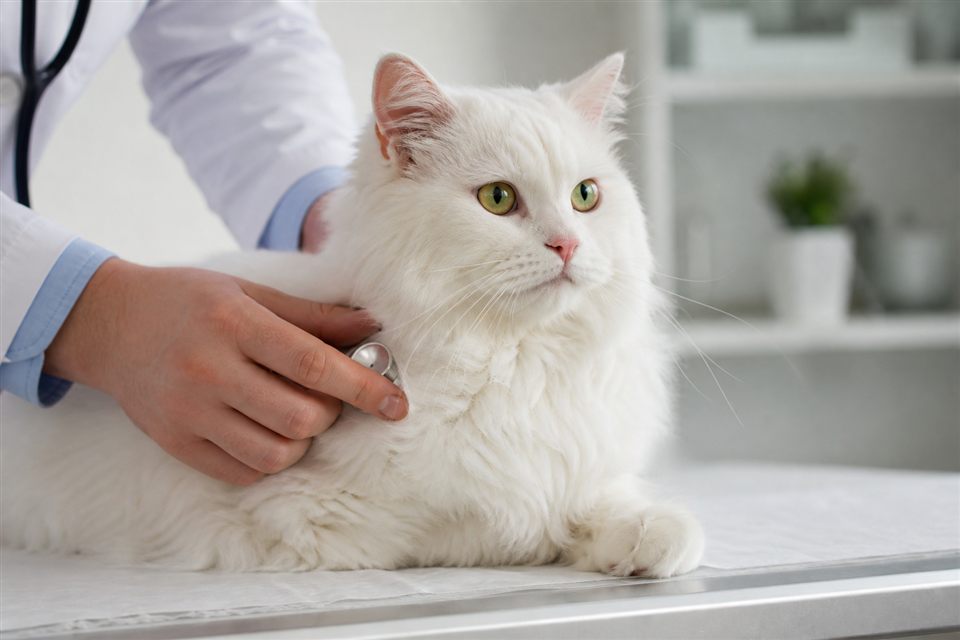
At the clinic, a stain test takes minutes. If the cornea lights up, you leave with a collar and a pause on play. If it is clean, the vet may flush the duct or talk herpes.
Nori’s stain was negative the first visit and positive the second, after a quill snapped. Two weeks of drops later, she still gets a sparkle of overflow after a sprint. It dries. Five minutes is a tear. Until morning is a problem.
Tearing after play can be overflow or a hidden scratch. If the eye stays wet, squints, or shows color, have a veterinarian stain it.