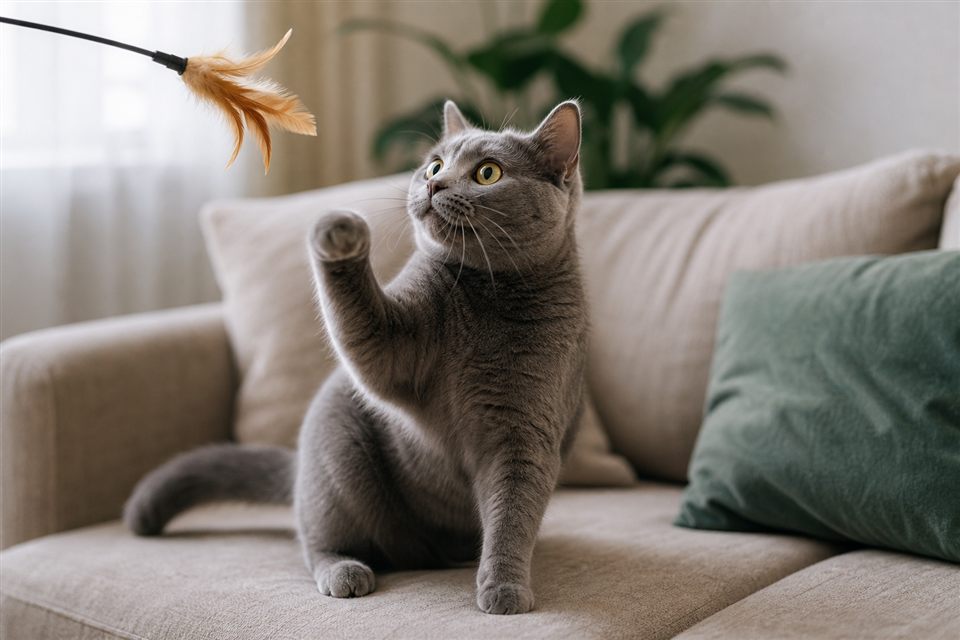
Simone returned from a weekend trip to find her spider plant chewed to stubs and a overturned pothos on the floor. Her cat, Mochi, sat beside the wreckage with a green leaf fragment on his whiskers, looking pleased. Simone knew pothos was toxic. Panic sent her to the vet phone line while she tried to remember how much Mochi had eaten. Mochi turned out fine after observation—but the scare forced a hard look at why cats eat plants and which ones must leave the apartment entirely.
Key points at a glance
- Cats eat plants due to instinct, boredom, texture craving, and sometimes GI upset—not because they are starving on good cat food.
- Many common houseplants cause drooling, vomiting, kidney failure, or heart problems in cats.
- Cat grass and cat-safe greens offer a controlled outlet when kept separate from toxic pots.
- Prevention beats treatment: remove or isolate dangerous plants before nibbling happens.
- Any suspected ingestion of a toxic plant warrants immediate contact with your vet or pet poison helpline.
Why cats nibble indoor grass and houseplants
Evolutionary behavior. Wild cats consume plant matter in prey stomachs and may eat grass to trigger vomiting or move hairballs. Indoor cats redirect that urge to whatever green thing is available.
Sensory enrichment. Leaves move, smell interesting, and offer crunch. Mochi batted Simone's fern before biting—part hunt, part snack.
Boredom and attention. Solo indoor cats with insufficient play explore plants like toys. Chewing brings humans running.
Nutritional gaps—rarely the main cause. Well-fed cats still eat plants. Do not assume diet alone fixes plant chewing unless your vet identifies a specific deficiency.
Stress or mild nausea. Some cats seek grass when their stomach feels off. Occasional vomiting after grass may be intentional on the cat's part; repeated illness needs a vet.
Understanding why Mochi chewed does not make pothos safe. It explains why "just scolding" fails—you must offer alternatives and remove toxins.
Safe greens versus dangerous houseplants
Safer options (still supervise):
- Cat grass (wheat, oat, barley, rye)—grown specifically for cats; offers an approved outlet
- Catnip and silver vine—enrichment, not meal replacement
- Spider plant—generally considered non-toxic but can cause mild stomach upset; Mochi's favorite
Common houseplants toxic to cats (remove or keep completely inaccessible):
| Plant | Toxic component | Possible effects |
|---|---|---|
| Pothos, philodendron | Calcium oxalate crystals | Oral pain, drooling, vomiting |
| Lilies (all parts) | Unknown toxin | Kidney failure—emergency |
| Sago palm | Cycasin | Liver failure, often fatal |
| Dieffenbachia | Oxalates | Severe mouth swelling, distress |
| Monstera | Oxalates | Oral irritation, vomiting |
| Oleander | Cardiac glycosides | Heart arrhythmias |
| Azalea/rhododendron | Grayanotoxins | Vomiting, coma |
| Tulip/daffodil bulbs | Alkaloids | GI signs, depression |
| English ivy | Triterpenoids | Drooling, vomiting |
| Snake plant (moderate) | Saponins | Nausea, diarrhea |
This is not a complete list. When in doubt, assume toxic until verified with ASPCA or your vet.
Lilies deserve special fear. Even pollen on fur from a bouquet can harm cats. No lilies in cat homes—period.
What to do if your cat eats a toxic plant
Identify the plant from leaf shape, pot label, or photo.
Call your veterinarian or pet poison control immediately. Do not wait for symptoms with known toxins like lilies or sago palm.
Collect evidence. Bring chewed leaves, vomit sample if safe, and estimate amount eaten.
Do not induce vomiting unless instructed. Home remedies can worsen some poisonings.
Mochi's pothos exposure was small; Simone's vet recommended observation. A lily leaf would have meant emergency care regardless of appetite.
Cat-proofing your indoor garden
Remove toxic plants rather than trusting "high shelves." Cats climb. Mochi reached the top of the bookcase.
Hang baskets with secure hooks for non-toxic trailing plants only.
Dedicated cat grass station on the floor, refreshed weekly, satisfies chewing away from forbidden pots.
Bitter spray on leaves helps some cats; others ignore it. Not reliable for dangerous plants—still remove them.
Enrichment replacement. Daily wand play, food puzzles, and window perches reduce boredom nibbling.
Secure pots with heavy bases or museum putty so Mochi cannot knock toxic plants during batting sessions.
When plant eating signals illness
See your vet if Mochi vomits repeatedly, loses appetite, has diarrhea for more than a day, or chews plants obsessively with weight loss. Pica—eating non-food items—can relate to GI disease, anemia, or behavioral issues needing diagnosis.
Safe plant alternatives for cats who love to chew
Simone replaced risky pots with cat grass (wheat, oat, or barley), catnip, and silver vine in heavy pots on the floor. Rotating varieties kept Mochi interested without toxic leaves.
Avoid "lucky bamboo" and similar gift plants without checking toxicity—many are not true bamboo and are unsafe. When friends send bouquets, display them in a closed room Mochi cannot enter. Even fallen petals on the dining table can be swallowed during a jump.
If you want visual greenery, consider high-quality faux plants on secured shelves for aesthetics and real safe grass for chewing—splitting decoration from snack reduces accidents.
The bottom line
Mochi ate Simone's plants because indoor cats explore green things by instinct and because spider plants are fun. Pothos could have ended differently. Offer cat grass, enrich the environment, and treat toxic houseplants as hazards to eliminate—not decorations to manage with hope. Simone replaced her pothos with a sealed terrarium of cat grass and kept lilies out of the apartment forever. Mochi still chews—but on purpose, on safe greens, while the dangerous pots are gone.
This article is for general education only and does not replace advice from a licensed veterinarian.