Friday at 6:55 p.m., Lila heard the thud before she saw it. Onyx, her 14-pound Maine Coon, had overshot the bookcase and hit rear-end first. He stood, shook, and walked under the table. The tail that usually rode like a question mark now had a sharp kink a few inches from the base. He ate tuna. He also missed the box once. Lila stopped calling it a funny angle. A door-slam tail last year in her sister’s cat had been a $380 X-ray and two weeks of pain meds.
Key points at a glance
- Tails break, dislocate, or bruise; a kink can show up within minutes
- The dangerous part is nerve function to the bladder and bowel, not the cosmetic bend
- Watch for pain, a dragging tail, and accidents in a previously reliable cat
- A floppy tail after trauma needs imaging; do not wait for it to “set”
- Do not pull, splint, or tape a cat tail at home
- Some kinks become a permanent zigzag the cat uses without trouble
What a fall does to a tail
A cat tail is small vertebrae, muscles, and nerves that also help the anus and, near the base, influence the bladder. A fall, a slammed door, or a yank can fracture a bone, slip a joint, or stretch those nerves. The tail sits crooked because the bones no longer line up, or it hangs because the muscles are not getting the message.
Onyx’s kink near the base is the location that makes vets pay attention. Injuries close to the body are more likely to affect continence than a tip shut in a dresser. Eating tuna does not clear the spine. Missing the box, scooting, or crying when picked up is louder than a good appetite.
The 48 hours that decide the next step
Note the urine: stream, dribbles, or nothing. Note stool: normal or leaking. Can the cat lift the tail to poop? A cat who cannot empty the bladder needs urgent care.
Confine to one room with a low-sided box. Do not grab the tail. Do not give human pain pills. Acetaminophen is lethal to cats.
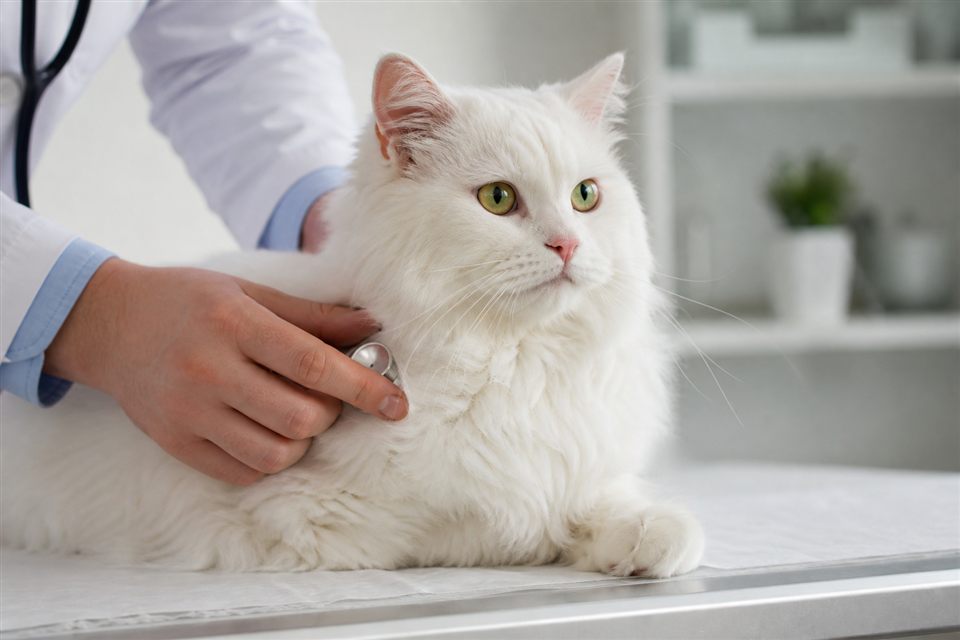
X-rays show breaks and dislocations. They do not always show nerve stretch, so the exam of tail tone, anal tone, and bladder size sits beside the film.
| After the fall | Suggests | Action |
|---|---|---|
| Small kink, still swishes, box is normal | Minor fracture or old break | Exam and X-ray still wise |
| Kink near base, limp, painful | Higher-risk fracture | Prompt visit |
| Accidents, huge bladder, no stream | Nerve involvement | Emergency |
| Tail tip cold, dark, or open | Compromised blood supply | Urgent; possible amputation of dead tissue |
| Crooked tail in a kitten | Growth plate injury | Do not wait for straightening |
Living with a kink versus taking it off
Many cats keep a zigzag for life and use it as a slightly worse rudder. If pain persists, if the tail is paralyzed and getting soiled, or if tissue dies, partial amputation is a clean solution. Cats do well with a shorter tail. They do poorly with a dead, dragging one.
Do not manipulate a tail straight. Nerve injuries can improve over days as swelling drops. They can also stay. Rechecks of bladder emptying matter more than whether the kink looks artistic.
Onyx had a dislocated joint near the base and bruised nerves. Pain control, a weekend in the spare room, and two rechecks later, he could swish the last third. The kink stayed. The accidents did not. Lila moved the bookcase. The question mark is now a crooked exclamation point, and she will take it.
A crooked tail after a fall can hide a fracture or nerve injury that affects urination. Have a veterinarian examine the tail and the bladder rather than waiting to see if the bend sets.