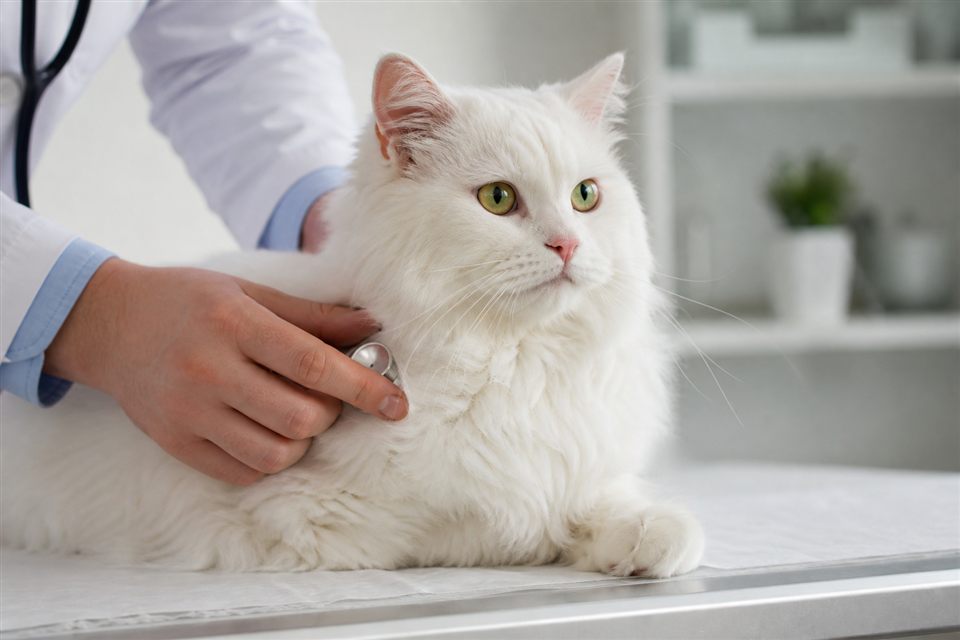
Priya first heard the click during Sunday breakfast — a faint popping sound each time her Maine Coon, Winston, opened wide for a yawn. At first she thought it was his collar tag. Then she noticed the same noise when he chewed kibble. Winston showed no sign of pain, but the sound persisted for a week before Priya called her vet.
Key points at a glance
- Jaw clicking during wide opening (yawning, eating) is often a temporomandibular joint (TMJ) issue
- Dental problems are the most common underlying cause in cats
- Occasional clicking without pain may be harmless anatomical variation
- Drooling, head shaking, or dropping food signals pain and needs prompt evaluation
- Dental X-rays under sedation are often necessary for diagnosis
What causes jaw clicking in cats?
The temporomandibular joint connects the jaw to the skull. When the joint disc shifts, opening the mouth wide produces an audible click — the same mechanism as TMJ clicking in humans.
Dental disease — resorptive lesions (FORLs), fractured teeth, and periodontal bone loss alter how the jaw closes. This is the leading cause in adult and senior cats.
TMJ dysplasia or luxation — congenital joint abnormalities or trauma-related misalignment.
Arthritis of the TMJ — degenerative joint disease in older cats causes crepitus and reduced jaw mobility.
Oral mass or foreign body — forces the jaw to move abnormally.
Winston's vet focused on dental health first given his age and lack of trauma history.
Is clicking always a problem?
Not every click indicates disease. Some cats have benign joint laxity — the disc moves during a wide yawn and resets with a pop.
| Likely benign | Likely needs treatment |
|---|---|
| Occasional click on wide yawn | Click on every bite |
| No change in eating habits | Dropping food, chewing one side |
| No drooling or pawing face | Excessive drooling, head shaking |
| Stable for months | New onset or worsening |
What other signs suggest dental pain?
Cats rarely cry out from mouth pain. Watch for preference for soft food, chewing with head tilted to one side, swallowing kibble whole, bad breath, reduced grooming, and weight loss over weeks.
How is the cause diagnosed?
A visual mouth exam in an awake cat has limits. Sedated oral exam with dental X-rays is the gold standard — revealing resorptive lesions and root abscesses invisible externally. Winston's X-rays showed early resorptive lesions on two premolars.
What treatment options exist?
Dental extraction removes painful teeth and eliminates clicking in most dental-related cases. Pain management with gabapentin or buprenorphine provides short-term relief while awaiting dental surgery. Joint support with omega-3 fatty acids helps TMJ arthritis in senior cats. Surgery is rare, reserved for TMJ luxation or jaw fracture malunion that causes functional impairment.
After Winston's two affected premolars were extracted, the clicking stopped within a week. He returned to crunching kibble without hesitation.
Can you prevent jaw problems?
Daily tooth brushing reduces periodontal disease. Annual dental checkups catch problems before they affect joint mechanics. Avoid hard treats that can fracture teeth.
Frequently asked questions
My kitten clicks when yawning — should I worry? Kittens occasionally click due to developing joint anatomy. Persistent clicking beyond six months deserves a dental check.
Is TMJ clicking painful for cats? It can be, especially when caused by dental disease. Some cats mask pain until the underlying issue is treated, then show obvious improvement in appetite and behavior.
This article is for informational purposes only and does not replace professional veterinary advice. Have persistent jaw clicking evaluated with a thorough dental examination.