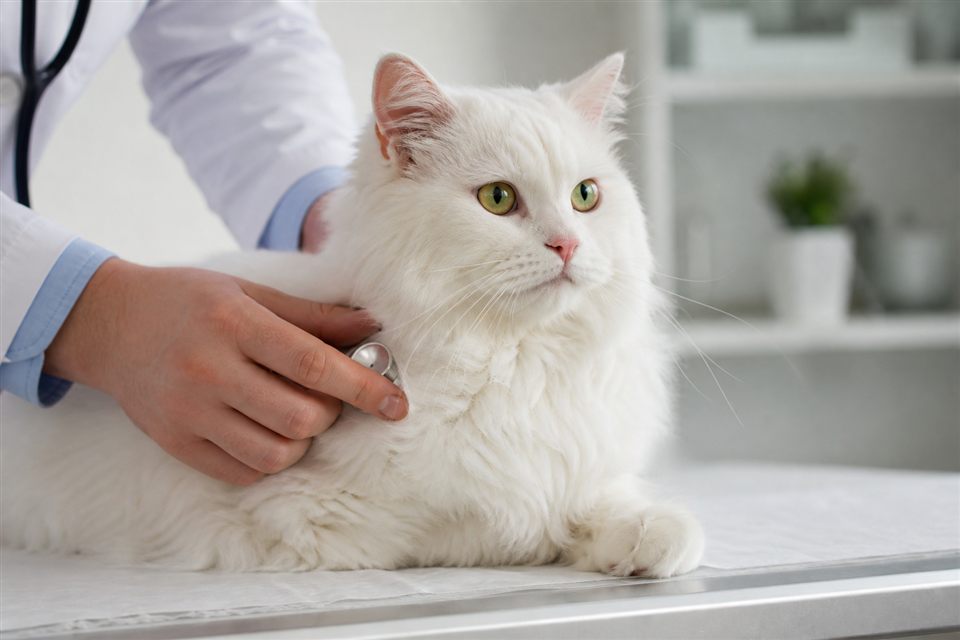
Liam thought his short-haired cat, Pixel, had been digging in the flower pot again — until he tried to wipe the black specks off her chin and they did not budge easily. The dots clustered along her lower lip and chin like pepper grounds, and they reappeared within days of cleaning. Pixel did not seem itchy, but the specks looked nothing like ordinary dust. Liam needed to know whether this was cosmetic, contagious, or something that needed treatment.
Key points at a glance
- Black specks on the chin are commonly feline acne, not actual dirt
- Flea dirt on the chin is possible if fleas are present elsewhere on the body
- Plastic food bowls and poor grooming contribute to chin breakouts
- Do not squeeze chin lesions — this worsens infection
- Mild cases respond to bowl changes and gentle cleaning; severe cases need vet care
What are those black specks?
The most common cause is feline acne — clogged hair follicles and sebaceous glands on the chin and lower lip. Oil and keratin accumulate in follicles, oxidize when exposed to air, and turn black. The specks look like dirt but are rooted in the skin.
Flea dirt — dried flea feces composed partly of digested blood — can appear on the chin if fleas congregate in that area. Flea dirt turns reddish-brown when wet on a white paper towel. Check the rest of the coat for fleas or scratching.
Mild hyperpigmentation or lentigo — flat dark spots common in orange, calico, and tortoiseshell cats — are permanent color changes, not raised specks or debris. These are harmless and do not wipe off.
Fungal or bacterial infection secondary to acne can produce dark crusting that spreads beyond simple blackheads.
How can you tell acne from flea dirt?
| Test | Feline acne | Flea dirt |
|---|---|---|
| Wipe with damp cloth | Partial removal; specks return | Dissolves to rust color |
| Location | Chin, lower lip | Chin plus base of tail, belly |
| Texture | Bumpy follicles, possible pimples | Flat grains on fur |
| Scratching | Usually minimal | Often present elsewhere |
Pixel had bumpy skin under the specks and no fleas on combing — classic chin acne.
What causes feline chin acne?
Overactive sebaceous glands plug follicles with excess oil. Plastic food bowls harbor bacteria that transfer to the chin during eating. Stress, obesity, and poor grooming — common in overweight or arthritic cats — allow oil buildup. Allergies and immune suppression can flare chronic cases. Hormonal influences play a role, though acne affects neutered cats equally.
How do you treat mild chin acne at home?
Switch to stainless steel or ceramic food and water bowls. Wash bowls daily in hot, soapy water. Gently clean the chin once or twice daily with a warm, damp cloth or a vet-recommended antiseptic wipe — chlorhexidine or dilute benzoyl peroxide products designed for cats work well. Do not use human acne products with high benzoyl peroxide concentrations.
Avoid squeezing blackheads or pimples. This pushes bacteria deeper and creates painful abscesses. Trim long chin fur if it traps food debris.
When should you see the vet?
Consult your veterinarian if the chin becomes swollen, red, painful, or develops pustules and scabs. Chronic acne that does not respond to home care may need topical antibiotics, oral medications, or steroid injections. Rule out mites (demodex) or ringworm if lesions spread or hair loss appears.
What will the vet do?
Diagnosis is usually visual. Your vet may perform skin scraping, fungal culture, or cytology if the presentation is unusual. Treatment escalates from medicated wipes to topical or oral antibiotics and anti-inflammatory therapy for severe folliculitis.
Frequently asked questions
Is feline chin acne contagious to other cats? No. Acne is not spread between cats, though shared dirty bowls can contribute to breakouts in multiple pets.
Will chin acne go away on its own? Mild cases often improve with bowl hygiene and cleaning. Chronic acne tends to recur without ongoing management.
This article is for informational purposes only and does not replace professional veterinary advice. Persistent or painful chin lesions should be evaluated by your veterinarian.