Elena was mid-chin scratch when Pixel, her tortoiseshell, chomped her thumb—not hard enough to bleed, but enough to startle—then immediately licked the same spot like a bandage application. No hiss, no flattened ears afterward. Just bite, lick, purr, repeat weekly. Elena searched "cat love bite" and found a spectrum from affection to warning. She wanted to know which side Pixel occupied and whether she should stop petting sooner or stop reacting altogether.
Key points at a glance
- Bite-then-lick sequences often mean overstimulation, play, or social grooming—not necessarily aggression.
- Cats have lower petting tolerance than many owners assume; watch tail twitch and skin ripple.
- Love bites stay inhibited; true aggression includes growling, dilated pupils, and sustained attack.
- Gentle withdrawal and shorter petting sessions prevent escalation better than pulling hand away fast.
- Kittens learn bite inhibition through play; adults may need consistent boundaries.
- Sudden biting with withdrawal or pain when touched warrants a veterinary exam.
The love bite and grooming overlap
Mother cats nip kittens gently during grooming—"hold still" corrections. Adult cats sometimes transfer that script to human hands they consider family. The follow-up lick resembles allogrooming: I corrected you, now we reset.
Pixel's bites were inhibited—no puncture, quick release. That restraint suggests social communication, not intent to harm.
Overstimulation: the most common cause
Many cats tolerate petting for a finite window. Early signs Pixel was done:
- Tail tip twitch accelerating
- Skin rippling along back
- Ears rotating sideways
- Head turning toward the hand
Ignoring those signals invited the bite. The lick afterward was Pixel's attempt to normalize contact—awkward feline conflict resolution.
Elena started counting strokes and stopping at fifteen before Pixel chose the bite. Incidents dropped.
Play and predatory practice
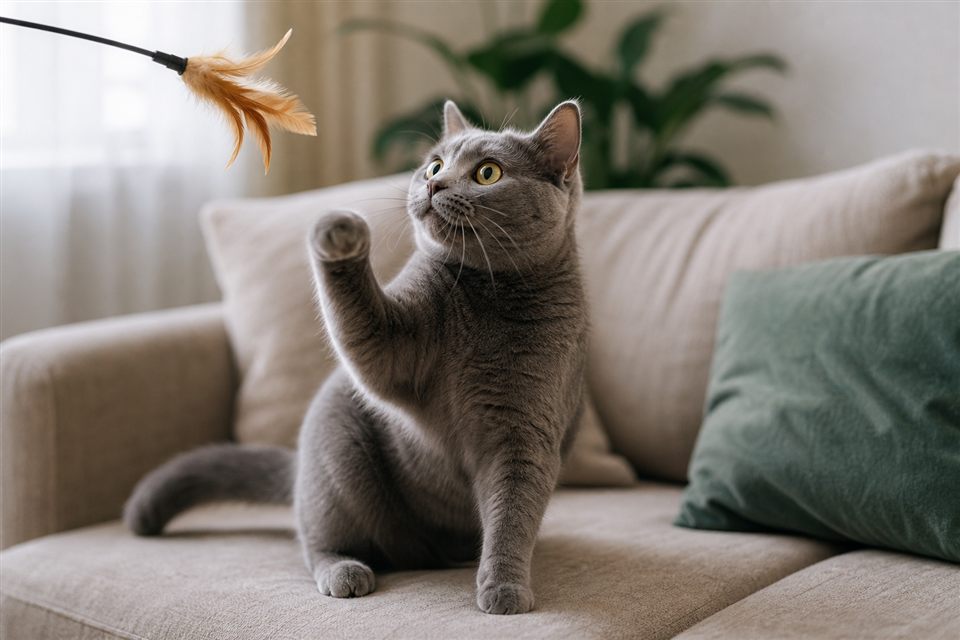
Young cats especially treat moving hands as toys. Bite-grab-lick can be play with hunting flavor. Pixel was three—past kitten peak but still playful. Wand toys before couch sessions burned chase drive so hands were less interesting.
Never use fingers as toys; inconsistency teaches hands are prey sometimes and sacred other times.
Affection with poor human ergonomics
Some cats express fondness through gentle nibbles on fingers and earlobes—rare but real. Context is relaxed, body loose, cat returns for more contact. If Elena pulled away dramatically, Pixel sometimes pursued—play reinforcement.
Calm stillness or redirecting to a chew toy communicated boundaries without punishment.
When bite-then-lick is not okay
See a vet if Pixel:
- Bites hard enough to break skin regularly
- Bites when untouched, especially along back or hips (pain suspicion)
- Stops eating, hides, or swats without lick reset
- Shows dental disease signs—drool, foul breath, pawing mouth
Arthritis, hyperthyroidism, and skin hypersensitivity change touch tolerance fast.
How Elena adjusted handling
Pet where Pixel invited—chin and cheeks, not belly ambushes.
End sessions on her terms before the bite cue.
Use a verbal "gentle" when play mouthing started; reward licks and soft contact.
Never flick nose or spray water—damaged trust worsened biting in many households.
Bite-then-lick toward other cats
Pixel did the same sequence with the household senior cat—quick nip during grooming, then lick the other's head. Elena realized the hand behavior mirrored inter-cat etiquette. Pixel was not confused; she classified Elena as grooming partner with clumsy human skin. Watching Pixel with the other cat clarified timing: bites happened when the groomed cat tried to leave mid-session.
Children and bite-then-lick cats
Kids often miss early overstimulation signals and cry after contact. Elena taught her niece to pet Pixel's shoulders briefly, then stop and offer a treat Pixel could take without fingers in the way. Supervised sessions only—Pixel's inhibited bites were still startling to small children.
Documenting changes for your vet
Elena filmed ten seconds of normal bite-lick versus one harder incident after a missed nail trim. Video at appointments saves guesswork. If biting frequency tripled in a month, bring dates and context—new detergent on hands, construction stress, diet change—not just the behavior in isolation.
The bottom line
Pixel's bite-then-lick was a bilingual memo: too much, still friends. Elena learned Pixel's tail language and shortened petting arcs. Most cats who bite gently and lick immediately are negotiating contact, not declaring war—unless pain or fear enters the picture. Then the vet listens first.
This article is for general education only and does not replace advice from a licensed veterinarian.