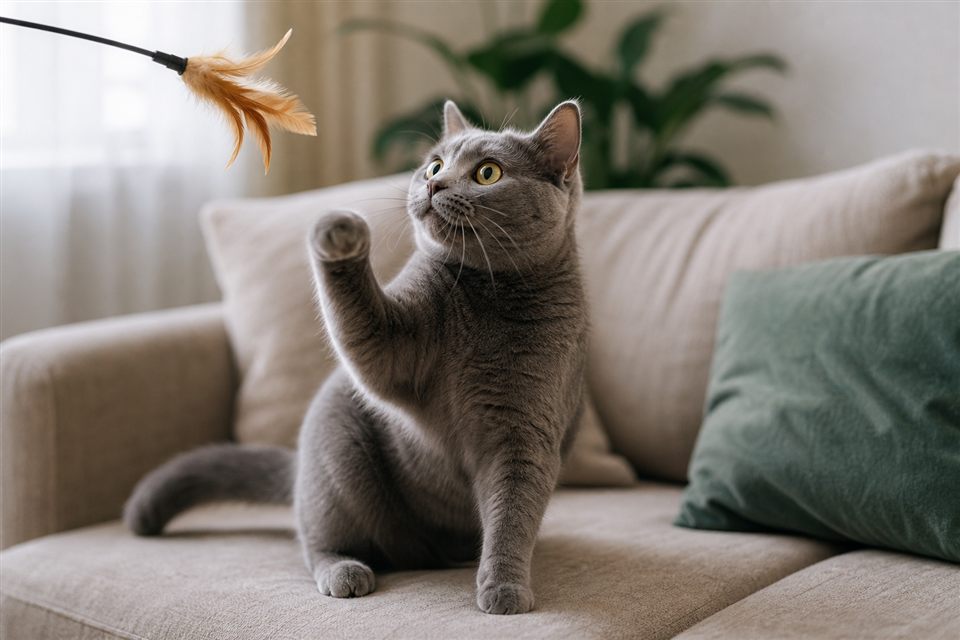
When Jasper came home from a dental cleaning, his sister, Luna, did not welcome him. She arched, hissed, and swatted the carrier before he even touched the floor. Ten years of harmony evaporated in seconds — replaced by what behaviorists call non-recognition aggression.
Key points at a glance
- Housemates may not recognize a returning cat who smells like clinic, anesthesia, and stress.
- The attacker sees a strange cat in territory — not a sibling who left that morning.
- Attacks can be severe; separate immediately and reintroduce slowly.
- Prevent future episodes by scent-swapping before full reunion.
- Rare prolonged aggression needs veterinary behavior consultation.
Why vet smells break recognition
Cats identify friends largely by scent. A vet visit replaces familiar home odor with antiseptic, other animals' fear pheromones, medication, and stress sweat. Luna's brain filed Jasper under intruder. Visual recognition alone is insufficient when smell screams foreign.
The phenomenon affects even bonded pairs. Duration varies from hours to days if not managed. Outdoor cats sometimes receive similar treatment after injury or rain-soaked coat changes.
What to do in the first hours
Do not force face-to-face contact hoping they will "remember." Separate the returning cat in a bedroom with litter, food, and water. Swap bedding between rooms so scents mingle on neutral fabric. Feed both cats on opposite sides of the closed door — positive association through the barrier.
When hissing at the door subsides, crack the door an inch with a doorstop. Progress only while both remain calm. Full reunion may take one to three days; rushing risks injury and long-term grudges.
Preventing the next vet visit fallout
- Bring both carriers: Even if only one cat visits, short car rides normalize return.
- Rub a shared blanket on the patient at the clinic before leaving.
- Use synthetic feline facial pheromone spray on coats and carriers.
- Schedule simultaneous wellness visits so both smell equally clinic-fresh.
- Allow the patient to groom undisturbed in isolation until home scent returns.
Exchange unscented bedding between cats during isolation so familiar group odor rebuilds on both bodies. Avoid bathing the returning cat immediately — water strips recovering scent and can prolong suspicion. Feliway diffusers in common areas may reduce baseline tension during reintroduction days. Patience beats punishment; never swat the aggressor for defending territory against a smell they truly perceive as foreign.
When aggression persists
If fighting continues beyond seventy-two hours with proper separation, or if either cat injures the other, contact your vet or a behavior specialist. Underlying pain in the returning cat can alter movement and trigger continued suspicion. Medical pain control and structured reintroduction may be needed.
The bottom line
A cat who attacks another cat after a vet return is reacting to unfamiliar smell, not betrayal. Separate, scent-swap, and reintroduce like strangers meeting for the first time — slowly, with food and distance. Jasper and Luna needed two days apart; most households restore peace with patience. Plan scent management before the next appointment to skip the ambush entirely.
This article is for general education only and does not replace advice from a licensed veterinarian.