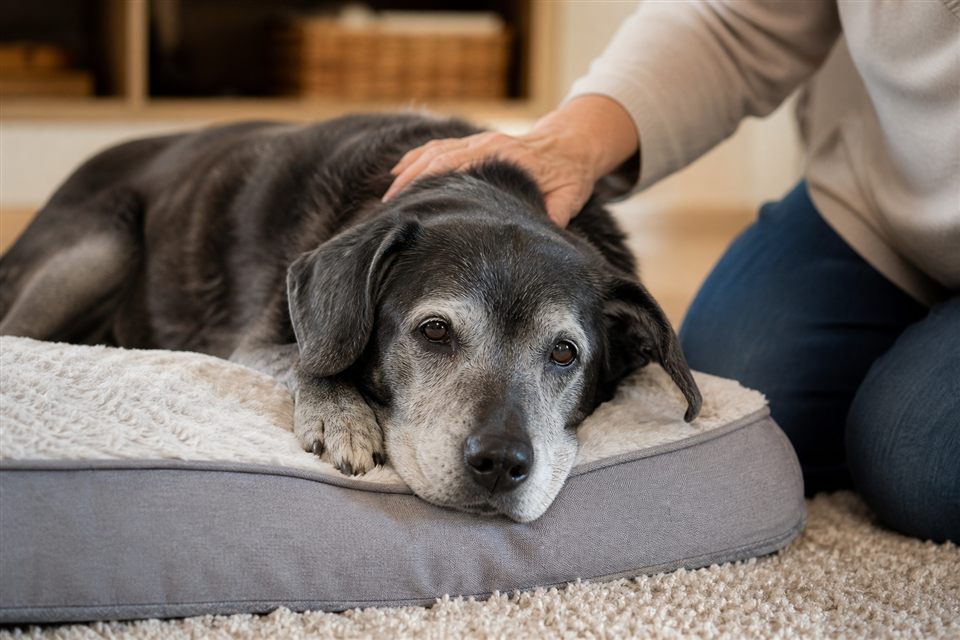
An elderly dog standing motionless facing a blank wall unsettles owners who wonder whether vision failed, a seizure occurred, or cognitive decline began. Staring episodes range from harmless noticing of shadows or insects to disorientation associated with canine cognitive dysfunction syndrome similar to dementia in people. Pain from arthritis or abdominal disease sometimes freezes movement in odd postures mistaken for mental fog. Video recording duration, context, and what breaks the trance helps veterinarians distinguish sensory loss from neurological change. Early intervention with enrichment, night lighting, and prescription diets or medications may slow cognitive progression when diagnosed appropriately.
Not every senior moment means dementia. Dogs hear high-frequency house sounds humans miss and may orient toward walls where pipes hum. The key is pattern change: new frequency, longer duration, paired with house soiling, sleep-wake reversal, or getting stuck in corners. Comprehensive senior exams including blood work, blood pressure, and eye evaluation rule out treatable mimics before labeling cognitive decline irreversible.
Common causes of wall staring in senior dogs
Vision decline: Cataracts or nuclear sclerosis change light perception; dogs face bright windows or dim corners differently. Hearing changes: Orienting toward vibration sources on walls. Cognitive dysfunction: Disorientation, pacing, staring with glassy expression, especially at night. Pain or nausea: Standing still avoids moving painful joints or reflects abdominal discomfort. Partial seizures: Brief frozen episodes need neurological description for vets.
Canine cognitive dysfunction patterns
Veterinarians often discuss acronym signs including disorientation, interaction changes, sleep-wake disturbances, house soiling, and activity level shifts. Wall staring fits disorientation when dogs seem lost in familiar rooms. Sundowning increases confusion evening hours matching human dementia patterns. Progression spans months to years; baseline video every few months documents rate of change for medication decisions.
Questions owners ask most often
Is wall staring always dementia? No; eyes, ears, pain, and labs must be checked first. Can supplements reverse it? Some diets and medications help symptoms; nothing guaranteed cures. Should I disturb my dog while staring? Gentle call or touch is fine; note response time returning to normal.
Home modifications that support confused seniors
Night lights along paths to water and yard reduce disorientation after dark. Keep furniture layout stable; moving couches weekly worsens spatial confusion. Non-slip rugs on slick floors prevent panic when turning from walls. Maintain predictable meal and walk schedules because routine anchors aging brains. Puzzle toys may frustrate advanced cases; simple sniff walks often suit better.
What your veterinarian may recommend
Senior blood panels screen thyroid, liver, kidney, and glucose abnormalities mimicking brain fog. Eye exams detect treatable lens changes though not every vision loss is curable. Pain trials with approved medications sometimes resolve odd standing if arthritis was silent. Prescription cognitive diets, selegiline, or other medications depend on diagnosis and comorbidities. Blood pressure checks matter because hypertension affects vision and mentation in dogs as in people.
Key Points
- New wall staring in senior dogs deserves veterinary evaluation not assumption.
- Vision, hearing, pain, and lab work rule out treatable causes first.
- Video episodes with date and time before appointments.
- Night lighting and stable furniture help disoriented dogs navigate.
- Cognitive decline is managed not cured; early support still helps quality of life.
Practical Tips
- Log sleep patterns when staring clusters at night.
- Avoid rearranging food bowls and beds without slow introduction.
- Use verbal cues before touching to prevent startle when focused on walls.
- Keep gates at stairs if disorientation includes getting stuck halfway.
- Discuss quality of life scoring tools with your vet at senior checks.
- Continue gentle exercise within pain limits for brain stimulation.
Building a two-week action plan
Choose one or two changes from this article to implement this week rather than attempting every tip at once. Note your pet's baseline behavior on day one, then review progress on day fourteen with the same lighting and timing conditions when possible. Small consistent adjustments outperform dramatic overhauls that last only a few days. If you see no improvement after following veterinary guidance for two weeks, schedule a follow-up rather than switching randomly to unrelated internet advice that may confuse the underlying issue further.
First-time pet owners often search these symptoms late at night and worry unnecessarily or wait too long. When in doubt, call your veterinary team with a short video clip; many clinics offer nurse triage by phone. The guidance here supports informed conversations with professionals rather than replacing hands-on examination of your individual dog or cat.
When to call your vet
Schedule a senior wellness visit when wall staring is new, increasing, or paired with house soiling, appetite loss, or circling. Emergency care is appropriate for seizure-like shaking, collapse, or sudden blindness. Your veterinarian can perform neurological and orthopedic exams, recommend diagnostics, and discuss cognitive support plans tailored to your dog's other health conditions.
Summary for busy owners
If you remember only a few points from this guide, keep these in mind: watch for patterns that repeat daily rather than one isolated incident, adjust home routines before buying expensive products, and contact your veterinary team early when behavior or appetite changes alongside the main symptom. Most problems improve fastest when medical causes are ruled out first and management stays consistent for at least two weeks before you declare an approach failed. Write down dates and take short videos so your next appointment covers facts rather than guesses.
This article is for general educational purposes only and does not replace professional veterinary advice. Contact your vet if your pet shows ongoing symptoms.