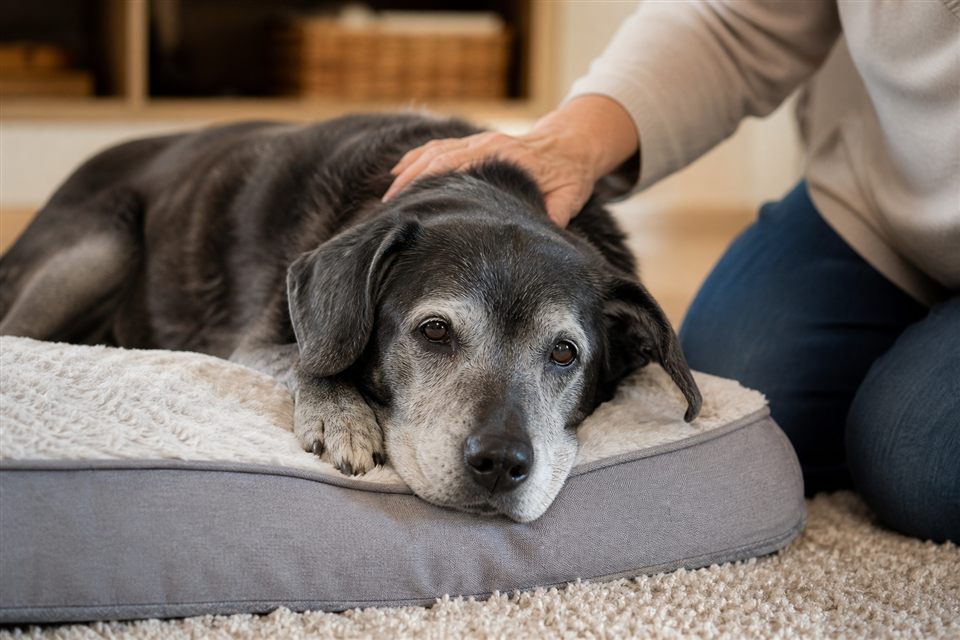
Owners watch aging dogs scramble like cartoon characters on polished hardwood, legs splaying, nails clicking without grip, sometimes refusing hallway routes they walked confidently years ago. Slipping is not mere clumsiness; it often reflects arthritis weakness, neurologic decline, overgrown nails, or muscle loss that reduces paw pad contact pressure. Fear of falling makes some seniors avoid water bowls on slick paths, contributing to dehydration and reduced exercise. Home traction improvements restore confidence faster than waiting for medication alone to solve mobility entirely.
Video your dog walking on hardwood and carpet transitions for veterinary gait assessment. The sections below cover nail maintenance, rug strategies, commercial grip products, and medical causes requiring treatment beyond yoga mats.
Why seniors slip more than young dogs on slick surfaces
Arthritic hips and stifles reduce ability to adjust foot placement quickly when paws slide. Intervertebral disc disease and degenerative myelopathy alter proprioception so dogs misjudge stride length. Long nails lift toe pads off floor reducing natural rubber-like grip. Weight gain increases momentum during turns. Polished floors amplify any underlying weakness young dogs compensate for unconsciously.
Traction products and what owners report helps
Toe grip booties or nail sleeve products increase friction without full shoe bulk when sized correctly. Adhesive paw pad stickers suit some dogs short term. Non-slip socks with rubber dots work indoors yet may twist on active dogs. Support harnesses under chest and hips let owners stabilize during standing from lie-down without lifting entire body weight incorrectly. Never use human adhesive tape directly on pads without veterinary product guidance.
Questions owners ask most often
Will rugs alone fix slipping? Often dramatically when placed on pathways to food, water, and bed. Are toe grips safe long term? Many clinics approve when fit checked weekly for rub sores. Should I avoid hardwood entirely? Strategic runners beat moving dog only on carpet islands with slick gaps between.
Home layout changes that reduce fall risk
Place rubber-backed runners along main traffic routes; secure edges with tape so corners do not curl into trip hazards. Raise food bowls slightly only if veterinarian approves; some neck positions worsen mobility. Night lights reduce disorientation in cognitive dysfunction syndrome overlapping slip fear. Block stair access with gates when descent becomes uncontrolled slide rather than stepped walk.
Medical workup when slipping appears suddenly
Acute onset slipping on all floors suggests neurologic emergency or severe weakness needing prompt exam. Gradual worsening over months fits arthritis progression yet still benefits from pain management improving strength. Trim nails every three to four weeks; overgrowth alone causes dramatic improvement in some geriatric small breeds. Physical rehabilitation referral builds core muscle supporting stable turns on any flooring type.
Common mistakes to avoid
Using loose scatter rugs that slide on hardwood creating worse falls. Lifting large dogs under front legs only injures handler and dog spines. Ignoring slip fear until dog stops rising to eliminate indoors. Applying human floor wax increasing slickness during senior years. Assuming slipping is untreatable aging without pain medication trial under veterinary supervision.
Key Points
- Senior slipping often reflects arthritis, nerve change, nails, or muscle loss not just floors.
- Rubber-backed runners on pathways provide immediate affordable traction.
- Toe grips and support harnesses help many dogs when fitted properly.
- Sudden severe slipping needs prompt veterinary neurologic evaluation.
- Nail trims alone sometimes transform stability dramatically.
Practical Tips
- Film gait on hardwood and carpet for vet orthopedic review.
- Install continuous runner from bed to water bowl route.
- Check toe grip fit weekly for redness or nail wear.
- Schedule rehab consult if muscle wasting visible in hindquarters.
- Use night lights for dogs with cognitive sleep-wake disruption.
- Discuss pain plan trials before accepting slip fear as permanent.
Building a two-week action plan
Choose one or two changes from this article to implement this week rather than attempting every tip at once. Note your pet's baseline behavior on day one, then review progress on day fourteen with the same lighting and timing conditions when possible. Small consistent adjustments outperform dramatic overhauls that last only a few days. If you see no improvement after following veterinary guidance for two weeks, schedule a follow-up rather than switching randomly to unrelated internet advice that may confuse the underlying issue further.
First-time pet owners often search these symptoms late at night and worry unnecessarily or wait too long. When in doubt, call your veterinary team with a short video clip; many clinics offer nurse triage by phone. The guidance here supports informed conversations with professionals rather than replacing hands-on examination of your individual dog or cat.
When to call your vet
Same-day evaluation for sudden inability to rise, dragging hind legs, or collapse after slip. Schedule exam for progressive slip fear, muscle loss, or pain signs when nails already short. Discuss arthritis medications and supplements after exam rather than self-prescribing pain killers toxic to dogs.
Summary for busy owners
If you remember only a few points from this guide, keep these in mind: watch for patterns that repeat daily rather than one isolated incident, adjust home routines before buying expensive products, and contact your veterinary team early when behavior or appetite changes alongside the main symptom. Most problems improve fastest when medical causes are ruled out first and management stays consistent for at least two weeks before you declare an approach failed. Write down dates and take short videos so your next appointment covers facts rather than guesses.
This article is for general educational purposes only and does not replace professional veterinary advice. Contact your vet if your pet shows ongoing symptoms.