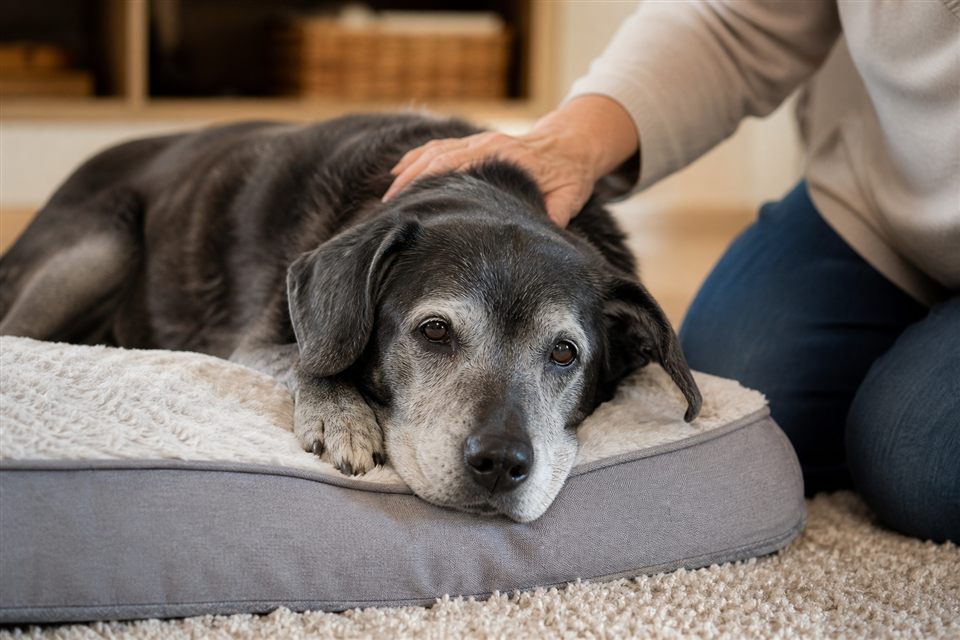
Senior pets have good days and bad days—owners feel the shift emotionally but struggle to describe patterns at veterinary appointments. A simple quality-of-life journal turns vague impressions into actionable data for pain management adjustments, hospice planning, or timing difficult end-of-life conversations. Tracking does not reduce love to numbers; it clarifies whether bad days are outnumbered, whether joy in eating and interaction returns after treatment, and when interventions stop helping. Dogs and cats hide discomfort; structured observation catches decline early when palliative options still matter.
What to Record Daily
Rate appetite, mobility, bathroom habits, sleep quality, social engagement, and pain signs on a one-to-five scale. Note specific events: refused favorite treat, climbed stairs successfully, vocalized at night, had an accident indoors. Photograph body condition monthly. Weight trends belong in the log. Medication changes and responses should align with dates so your vet correlates cause and effect. Include good moments explicitly—chasing a sunbeam, greeting at the door—to balance grief-heavy notes with accurate portraits.
Key Points
- Good-day versus bad-day ratio guides treatment conversations over single snapshots.
- Pain signs include pacing, reluctance to jump, licking joints, and appetite loss.
- Cats mask illness—track hiding duration and litter box visits.
- Share journals at senior wellness visits; do not wait for crisis.
- Validated scales like HHHHHMM exist for dogs; adapt honestly for your pet.
- Journals support caregiver guilt decisions with evidence, not impulse.
Using Data With Your Veterinarian
Bring four to eight weeks of entries to appointments. Patterns revealing three bad days weekly after plateau on medication suggest dose or drug changes. Stable good-majority weeks support continuing current plans. Sudden cliff declines warrant same-week calls—not waiting for scheduled rechecks. Discuss palliative care, acupuncture, or physical therapy when journals show gradual functional loss despite analgesics. End-of-life decisions remain deeply personal; journals clarify when suffering outweighs joyful moments per your vet's guidance.
Practical Tips
- Use phone notes templates copied daily for consistency.
- Involve all household members so observations are complete.
- Video mobility on good and bad days for orthopedic reviews.
- Track water intake for senior cats with kidney concerns.
- Revisit journal monthly even when things seem stable.
When to Contact Your Veterinarian
Call when bad days cluster, appetite stops for twenty-four hours, or pain signs escalate despite medication. Emergency care is needed for collapse, prolonged crying, or inability to urinate. Quality-of-life discussions are valid appointments—not giving up.
This article is for general educational purposes only and does not replace professional veterinary advice. Contact your vet if your pet shows ongoing symptoms.