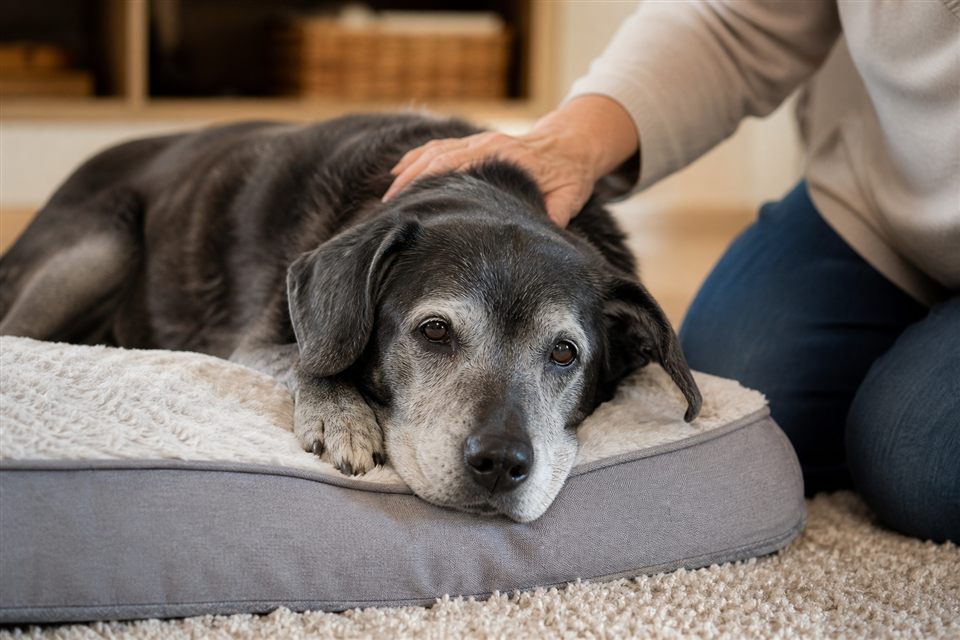
Owners joke that dogs excel at napping—yet uncertainty arises when sleep stretches sixteen hours daily while family is awake. Normal sleep varies widely by age, size, activity level, and breed purpose. Working breeds may rest less than toy companions in apartments. Puppies and seniors need more total sleep than healthy adults. Distinguishing contented rest from lethargy of illness prevents missed diagnoses when appetite or gait changes accompany new sleep marathons. Environmental enrichment and exercise balance affects quality—not just hours logged on the dog bed.
Typical Sleep Ranges by Life Stage
Adult dogs average twelve to fourteen hours daily including nighttime and naps—large breeds often exceed small breeds. Puppies may sleep eighteen to twenty hours while growing, waking for short intense play bursts. Senior dogs gradually increase daytime napping; orthopedic pain disrupts deep sleep causing more total hours fragmented. Breeds bred for vigilance may appear lighter sleepers with one eye open during household activity. REM twitching and vocalizing during dreams is normal if dogs wake bright and responsive.
When Sleep Patterns Signal Problems
Sudden increases alongside appetite loss, vomiting, weight change, or reluctance to walk warrant exams—not attribution to aging alone. Cognitive dysfunction in seniors causes night waking and daytime disorientation distinct from peaceful napping. Pain from arthritis fragments sleep—dogs appear restless shifting positions. Heat exhaustion or toxin exposure causes collapse resembling sleep. Excessive panting when supposedly resting needs urgent evaluation.
Key Points
- Most adult dogs sleep twelve to fourteen hours total daily.
- Puppies and seniors typically need more sleep than healthy adults.
- Large breeds often sleep longer than small active terriers.
- Sudden sleep increases plus other symptoms suggest illness.
- Quality exercise promotes deeper restorative rest cycles.
- REM twitching during naps is usually normal in healthy dogs.
Practical Tips
- Provide orthopedic beds in quiet areas for senior deep rest.
- Maintain consistent walk schedules regulating circadian rhythms.
- Track weekly activity with simple logs noting appetite and energy.
- Avoid disturbing dreaming dogs unnecessarily—startle increases bite risk.
- Discuss supplements or pain plans with vets when seniors rest but seem stiff waking.
When to Contact Your Veterinarian
Book visits for new excessive sleep with weight loss, bad breath with increased drinking, limping, or confusion at night. Emergency care applies to unresponsive dogs or breathing difficulty during apparent rest.
This article is for general educational purposes only and does not replace professional veterinary advice. Contact your vet if your pet shows ongoing symptoms.