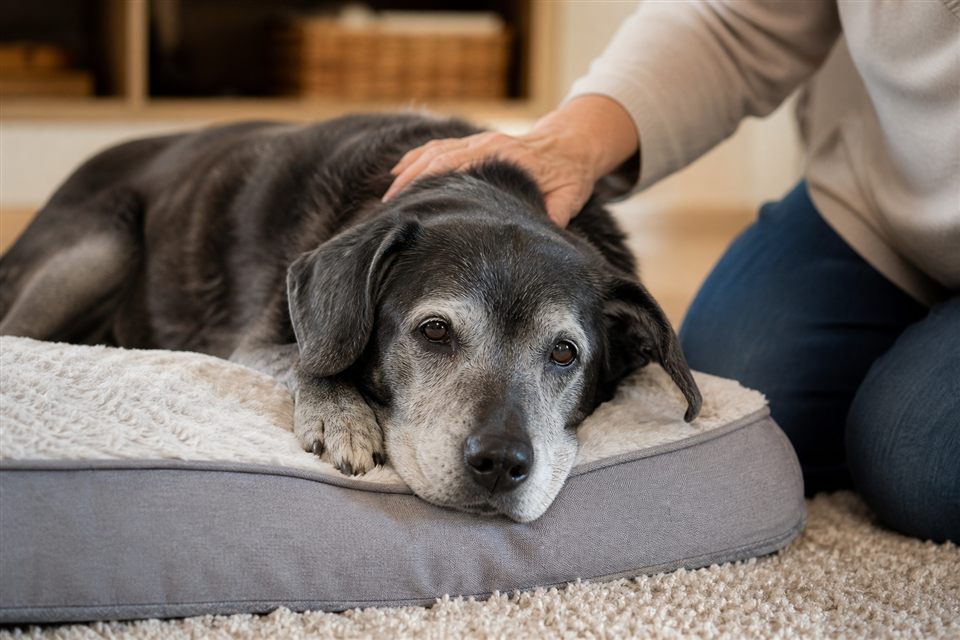
Senior dogs who once galloped across hardwood now hesitate, spread toes, or splay legs attempting kitchen crossings—arthritis pain meets physics on slick surfaces. Falls cause confidence collapse and secondary injuries. Home modifications complement veterinary pain management better than hoping dogs "be careful." Traction pathways, nail maintenance, paw grip aids, and ramp access reduce strain on hips and stifles. Environmental support lets medications and physical therapy work fully; without traction, dogs guard movement, losing muscle that stabilizes joints further in downward spirals owners can interrupt with practical layout changes.
Creating Traction Pathways
Runner rugs with non-slip backing over high-traffic routes beat scattered small mats that slide themselves. Yoga mat segments work temporarily in pinch. Interlocking foam tiles add grip in sleeping-to-food paths. Keep paths wide enough for large dogs turning around. Remove loose throw rugs that bunch into trip hazards. Baby gates block slick rooms when supervision absent if needed short term during renovation planning.
Paw Care and Grip Accessories
Long nails reduce natural traction—trim or grind regularly revealing proper pad contact. Toe grip products or booties help some dogs; others refuse them requiring rug solutions instead. Paw pad conditioning balms treat cracks improving grip mildly. Weight loss reduces slip force when overweight arthritic dogs move. Physical therapy exercises build hind limb strength when pain controlled adequately first.
Key Points
- Slippery floors increase arthritis pain and fall injury risk.
- Continuous rug runners outperform isolated small mats.
- Nail length directly affects traction on hard surfaces.
- Ramps reduce stair impact for dogs with hip or elbow disease.
- Pain management from veterinarians enables safer mobility practice.
- Sudden inability to stand needs urgent evaluation—not only rug fixes.
Practical Tips
- Map daily routes dog uses—bed, food, door—and rug those lines first.
- Use nightlights so vision-impaired seniors see path edges.
- Place food bowls on gripped mats in corners avoiding long slick approaches.
- Consider orthopedic beds beside rug paths to limit first morning steps on bare floor.
- Discuss NSAIDs, supplements, or laser therapy with vets alongside home changes.
When to Contact Your Veterinarian
Schedule exams for worsening lameness, yelping falls, or inability to rise. Rehabilitation referrals help design exercise matching home traction improvements.
This article is for general educational purposes only and does not replace professional veterinary advice. Contact your vet if your pet shows ongoing symptoms.