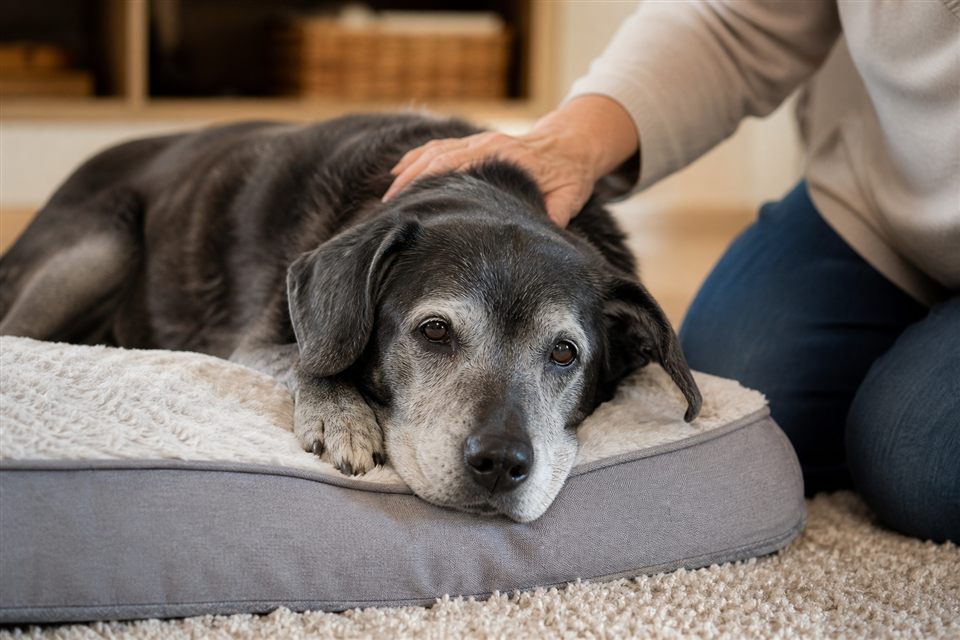
Watching a senior dog hesitate at the bottom step, slip on hardwood, or refuse the bed they once jumped onto easily is heartbreaking. Arthritis, spondylosis, and muscle loss make vertical movement painful and risky. Falls worsen injuries. Ramps and pet stairs reduce joint compression compared with jumping, but poorly chosen equipment creates new hazards—steep inclines, slick surfaces, and wobbly frames cause more harm than good. Matching product design to your dog’s size, strength, and environment, then training voluntary use with rewards, keeps aging companions mobile and independent longer.
Ramps Versus Steps: Which Fits Your Dog
Ramps spread elevation change over a longer distance, lowering impact on elbows and stifles—ideal for large breeds, dogs with hip dysplasia, or those recovering from surgery. Steps occupy less floor space and suit small dogs climbing sofas if each tread is deep enough for full paw placement. Measure furniture height and available floor length before buying. Ramp incline should stay near eighteen to twenty degrees for most arthritic dogs; steeper angles mimic jumping stress. Steps need non-slip treads and side rails for dogs with neurologic wobble. Weight capacity must exceed your dog’s body weight with margin for shifting motion.
Consult your veterinarian about pain management and physical therapy alongside home modifications—equipment alone does not replace medical care.
Key Points
- Stable, non-slip surfaces matter more than fancy folding mechanisms.
- Ramps need landing zones at top and bottom with room to approach straight on.
- Steps require tread depth at least as wide as your dog’s paw plus body length per step.
- Train with treats on each tread before expecting independent use at night.
- Place night lights near pathways for dogs with declining vision.
- Re-evaluate equipment as disease progresses—steep old ramps may need replacement.
Setup and Training at Home
Position the ramp against the bed or couch with secure attachment straps if provided—test stability by applying side pressure before dog use. Carpeted ramp surfaces or adhesive grip tape prevent slips. Start training on the floor: reward your dog for sniffing, then placing front paws, then full crossing at shallow practice inclines if the product adjusts. Never pull them up by the collar. Support with a harness under the chest if your vet recommends assistive lifting. Use the same verbal cue each time—“up” or “ramp”—and reward completion. Block jumping access temporarily so the easier path becomes habit. For cars, tailgate-specific ramps differ from indoor models; practice stationary before highway trips.
Practical Tips
- Measure doorway width before ordering folding ramps for SUVs.
- Keep nails trimmed—long claws slip even on good surfaces.
- Place yoga mats on hardwood approaches leading to ramps.
- Discuss joint supplements and prescription pain plans with your vet during mobility changes.
- Consider orthopedic beds at ramp top so the full sleep surface is reachable.
When to Contact Your Veterinarian
Schedule an exam if your dog cries when using stairs, collapses hind legs, or loses willingness to walk entirely. Sudden inability to rise may indicate acute injury, not slow arthritis alone. Your veterinarian can tailor pain control and rehabilitation while you adjust home equipment.
This article is for general educational purposes only and does not replace professional veterinary advice. Contact your vet if your pet shows ongoing symptoms.