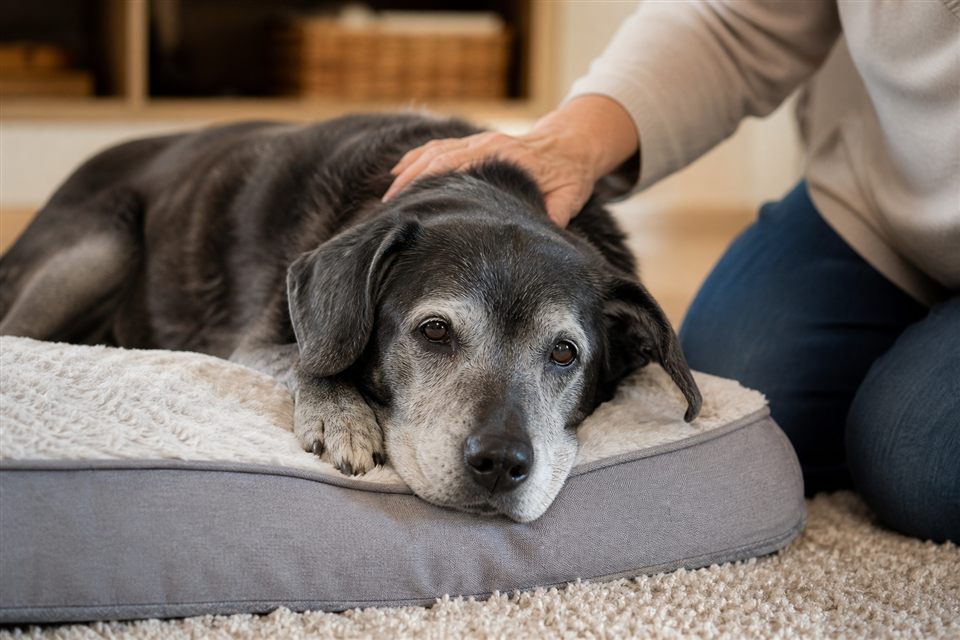
Senior cats often sleep even more than they did in youth—but where they sleep and how they reach favorite spots determines daily joint stress. Arthritis, spondylosis, and muscle loss make hard floors, high windowsills, and cold drafts painful. Owners notice hesitations before jumping, reduced grooming on the lower back, or choosing floor tiles over formerly loved cat trees. Thoughtful bedding, traction surfaces, and vertical access adjustments keep aging cats comfortable without eliminating their territory. Environmental changes complement veterinary pain management rather than replacing it.
Choosing Senior-Friendly Bedding
Orthopedic foam distributes weight away from pressure points on elbows and hips. Low-sided or open-entry beds let stiff cats enter without climbing high walls. Heated beds or microwavable pads soothe cold-sensitive joints when your vet approves temperature products—always provide an off switch and monitor for overheating. Place beds in quiet social areas where the cat already spends time—isolation in laundry rooms increases stress. Multiple beds on different floors reduce painful stair use. Washable covers manage incontinence in very old cats without replacing entire beds frequently.
Flooring and Traction
Hardwood and tile cause splay-legged slips that strain shoulders and confidence. Yoga mats, rubber runners, and carpet strips create pathways between food, litter, and beds. Avoid loose rugs that slide—secure edges with tape. Litter boxes need low entry sides; some owners cut commercial boxes or use large storage totes with a low cutout. Ramps or stepped furniture help cats reach window perches without single high jumps. Night lights reduce missteps for cats with declining vision plus arthritis.
Key Points
- Warm, orthopedic, low-entry beds reduce joint strain and encourage restful sleep.
- Non-slip pathways prevent injury and fear of movement.
- Multiple resource stations limit painful travel across large homes.
- Vertical access should be gradual steps, not one tall leap.
- Weight management multiplies comfort from bedding changes.
- Environmental tweaks work best alongside vet-prescribed pain control.
Practical Tips
- Observe where your cat already naps before buying expensive new beds.
- Place food and water on the same floor as the primary bed if stairs are hard.
- Try cardboard flat scratchers as low-height stretch stations near beds.
- Photograph posture monthly to share changes at senior wellness visits.
- Introduce new bedding gradually—scent matters to cats.
When to Contact Your Veterinarian
Book an exam if your cat stops jumping entirely, cries when touched, or stops using the litter box—pain may be treatable with medication, not just furniture changes. Sudden paralysis or dragging limbs is an emergency. Regular senior blood work identifies conditions masquerading as slow aging.
This article is for general educational purposes only and does not replace professional veterinary advice. Contact your vet if your pet shows ongoing symptoms.