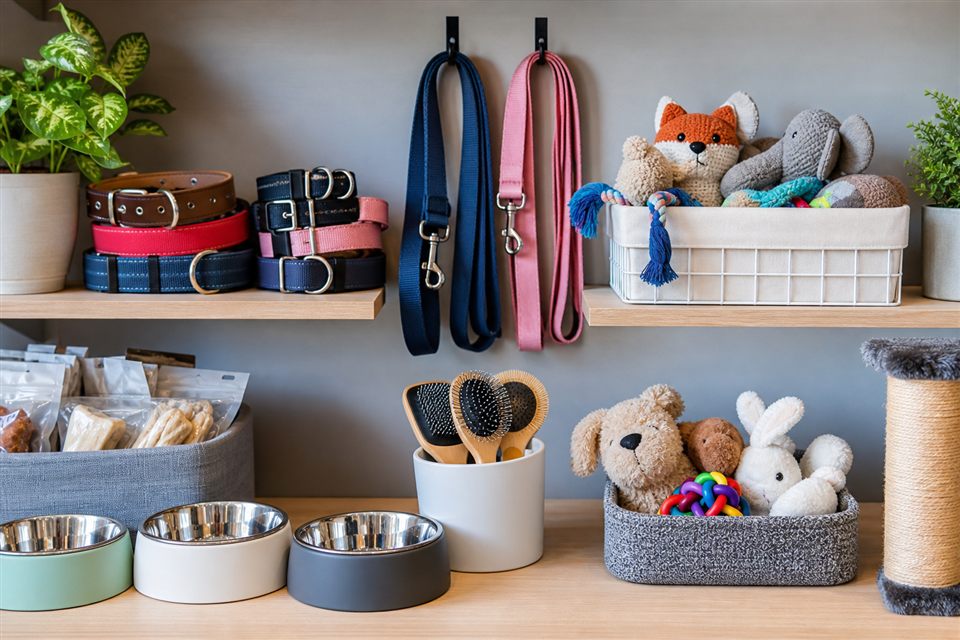
Disasters compress decisions into minutes. Owners who pre-pack a pet go-bag reduce the chance of forgetting medications, proof of vaccination, or a familiar leash when shelters and hotels ask for documentation. Dogs stressed by smoke alarms or road noise travel better with predictable supplies duplicated from daily routines. A go-bag lives near human emergency kits and rotates seasonally so food and meds stay fresh.
Core go-bag contents for dogs
Pack three to seven days of food in waterproof bags or sealed containers with a folding bowl. Include bottled water because unfamiliar sources upset some stomachs. Bring medications in labeled bottles with dosing instructions, plus backup flea and heartworm doses if due soon. Copies of rabies certificates, microchip numbers, and a recent photo on phone and paper speed reunification if separated.
Restraint, comfort, and hygiene
Keep a well-fitted harness, spare collar with ID tags, and a six-foot leash. Add a long line for temporary tie-outs only where safe. Pack waste bags, paper towels, enzymatic cleaner, and an old towel for muddy paws. A familiar blanket or bed reduces anxiety in crates. Thunder shirts or prescribed calming aids belong here if your vet recommends them.
Key Points
- Microchip registration must show current phone numbers before disaster season.
- Not all human shelters accept pets; research pet-friendly hotels and boarding along routes early.
- Crates labeled with contact info help transport in emergency vehicles.
- Rotate perishable treats and food every few months to avoid stale rations.
- Practice loading the car quickly twice a year so dogs associate drills with treats not panic.
Practical Tips
- Store digital vet records in cloud folders accessible offline.
- Add a pet first aid booklet and digital thermometer if space allows.
- Include a flashlight and spare batteries for nighttime evacuations.
- Write feeding and medication schedule on waterproof card for caregivers.
- Keep cat supplies separate if multispecies household evacuates together.
When to call your vet
Ask your veterinarian before disaster season about refill buffers for chronic medications and whether sedatives are appropriate for your dog during travel. Update vaccinations if boarding may become necessary. After evacuation, seek care if your dog inhales smoke, overheats in cars, or stops eating for more than twenty-four hours despite safe shelter.
This article is for general educational purposes only and does not replace professional veterinary advice. Contact your vet if your pet shows ongoing symptoms.