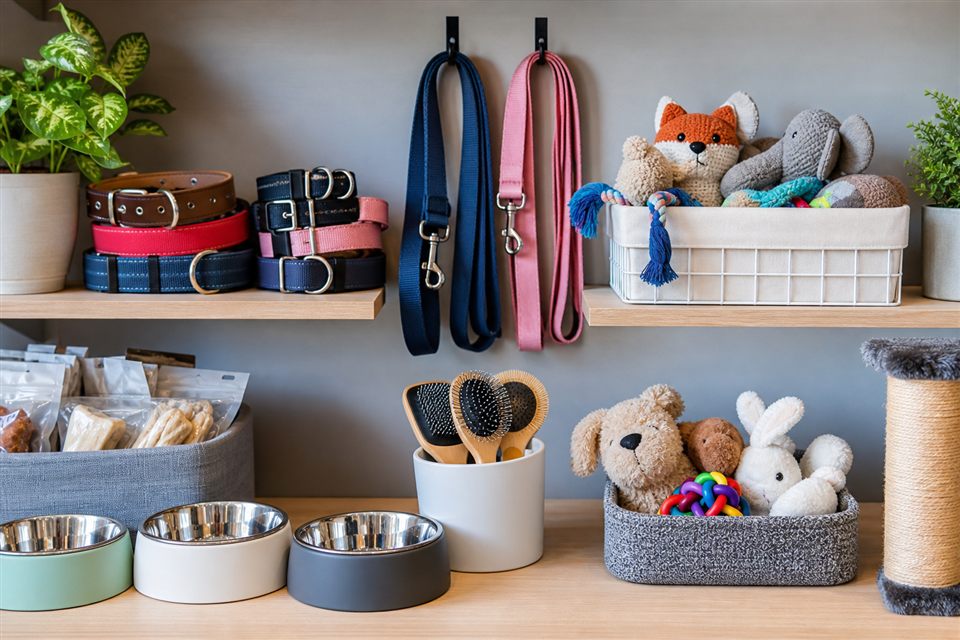
Pet bowl aisles offer plastic, silicone, ceramic, and stainless steel in every color and shape. For daily meals, material affects hygiene, durability, and even whether your cat eats comfortably. Plastic scratches harbor bacteria and can leach odors that picky pets reject. Between the two premium choices—stainless steel and ceramic—each has strengths. The best bowl depends on your pet’s size, eating style, dishwasher access, and whether they treat dishes as projectiles. Understanding trade-offs prevents repeated purchases and supports cleaner feeding stations for dogs and cats alike.
Stainless Steel Bowls
Stainless steel resists rust when grade is appropriate for food contact, survives drops, and usually runs dishwasher-safe on the top rack. Non-porous surfaces rinse clean quickly—important for raw or wet food residue. Lightweight models tip easily unless rubber-ring bases are wide; heavy-duty weighted bottoms help large dogs. Some pets dislike metal rim sounds or reflections; shallow wide pans reduce whisker contact for cats. Insulated double-wall steel exists for outdoor water in hot climates. Verify nickel-free labels if metal sensitivity is suspected—rare but reported in sensitive animals and owners with contact dermatitis.
Ceramic Bowls
Glazed ceramic feels sturdy, quiet, and aesthetically matches home décor. Weight reduces tipping for enthusiastic eaters. Wide shallow ceramic dishes suit whisker-sensitive cats well. Downsides: chips in glaze harbor bacteria and cut mouths—inspect regularly. Not all ceramic is microwave or dishwasher safe; cracked glaze from thermal shock requires replacement. Lead-free glaze certification matters for imported products. Ceramic shatters on hard floors; avoid elevated stands without non-slip bases in busy kitchens.
Key Points
- Both beat scratched plastic for daily hygiene when properly maintained.
- Stainless excels in durability, travel, and fast sanitizing.
- Ceramic excels in stability, quiet eating, and wide shallow cat dishes.
- Replace any bowl with chips, rust spots, or deep scratches immediately.
- Rubber bases degrade—peel and clean underneath to prevent mold.
- Separate bowls per pet in multi-pet homes when guarding occurs.
Choosing for Your Household
For large dogs eating wet food, weighted ceramic or rubber-base stainless minimizes spills. For cats on kibble plus wet, use two dish types if needed—steel for sanitizing raw portions, ceramic for whisker-friendly breakfast. Travel and camping favor nested stainless sets. Elevated feeders debate continues; they may help some large breeds but worsen bloat risk factors in others—ask your vet before buying stands. Wash bowls daily with hot soapy water minimum; dishwasher daily is ideal. Rotate two bowls so one cleans while the other serves. Measure bowl diameter against whisker span for finicky cats regardless of material.
Practical Tips
- Buy from reputable pet brands with food-safe certification labels.
- Avoid decorative cracks and unglazed ceramic interiors.
- Test non-slip rings on your floor type before bulk purchasing.
- Replace water bowls showing biofilm slime despite washing.
- Metal bowls in sun-heated outdoor kennels can burn tongues—use shaded placement.
When to Contact Your Veterinarian
Consult your vet if mouth sores, chin acne, or lip inflammation appears consistently after eating—bowl material may contribute alongside allergies. Sudden refusal to eat from a familiar bowl warrants dental evaluation, not just dish replacement.
This article is for general educational purposes only and does not replace professional veterinary advice. Contact your vet if your pet shows ongoing symptoms.