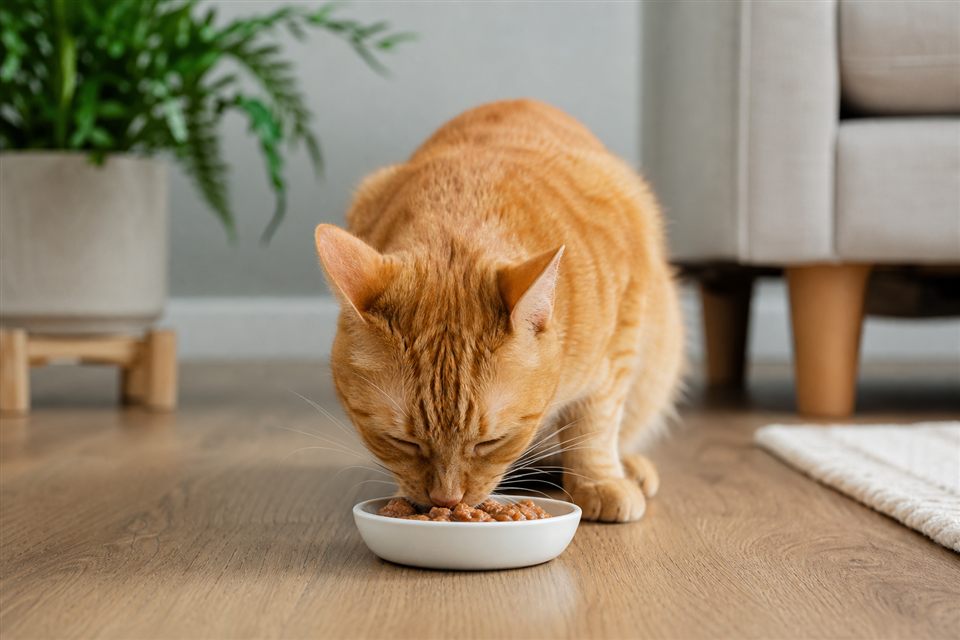

Cats evolved from desert-dwelling ancestors, which is why many seem barely interested in their water bowl — yet adequate hydration remains essential for kidney health, digestion, and overall longevity. If you have ever wondered whether your cat drinks "enough," you are asking the right question. Indoor cats eating mostly dry kibble often need extra help meeting their daily fluid needs.
Key points at a glance
- Most adult cats need roughly 3.5–4.5 ounces (100–130 ml) of water per 5 pounds (2.3 kg) of body weight per day — including moisture from food.
- Cats eating wet food may drink visibly less from a bowl because the food itself supplies much of their intake.
- Lethargy, sunken eyes, tacky gums, and concentrated urine are dehydration red flags.
- Multiple water stations, fountains, and wet food toppers are proven ways to increase intake.
- Sudden excessive thirst can signal diabetes, kidney disease, or hyperthyroidism — see a vet promptly.
How much water does a typical cat need?
Veterinary nutrition guidelines estimate total daily water requirement (food + bowl) at about 50–60 ml per kg of body weight. Converted to household units:
| Cat weight | Approximate total daily water need |
|---|---|
| 8 lb (3.6 kg) | 6.5–8 oz (190–230 ml) |
| 10 lb (4.5 kg) | 8–10 oz (240–300 ml) |
| 12 lb (5.4 kg) | 9.5–12 oz (285–350 ml) |
| 15 lb (6.8 kg) | 12–14 oz (350–420 ml) |
These numbers include water contained in food. Wet canned food is roughly 75–80% moisture, while dry kibble is only 8–10%. A cat eating one 3-ounce wet food can already receive a significant portion of daily fluids before touching the bowl.
How can you tell if your cat is drinking enough?
Because bowl level alone is unreliable, look at the whole picture:
Healthy hydration signs
- Elastic skin that snaps back quickly when gently lifted at the scruff (not a perfect test in overweight cats).
- Moist, pink gums — not sticky or pale.
- Normal energy and appetite.
- Urine clumps in the litter box most days (size varies by diet).
Dehydration warning signs
- Reduced urination or very small, hard clumps.
- Constipation or crying in the litter box.
- Dry, dull coat and increased shedding.
- Panting or open-mouth breathing at rest (rare in cats and always urgent).
If you suspect dehydration, offer water immediately and contact your veterinarian the same day — cats can decline quickly when fluid balance is off.
Why many indoor cats under-drink
Several common factors stack against good hydration:
- Dry-food-heavy diets without supplemental moisture.
- Whisker fatigue — some cats dislike deep bowls touching their whiskers.
- Stale or warm standing water that smells unappealing.
- Bowl location too close to litter box or noisy appliances.
- Preference for running water, a trait linked to wild hunting behavior near streams.
Understanding your cat's preferences helps more than simply refilling the same bowl in the same corner.
Seven practical ways to increase your cat's water intake
1. Add wet food once or twice daily
Even replacing a quarter of dry kibble with canned food can meaningfully boost hydration. Choose complete and balanced cat food labeled for your cat's life stage.
2. Try a pet water fountain
Many cats drink more when water is filtered and moving. Clean the pump and replace filters on the schedule the manufacturer recommends to prevent slime buildup.
3. Place multiple bowls around the house
Quiet, low-traffic spots work best. Use wide, shallow dishes to reduce whisker stress.
4. Offer flavored water sparingly
A teaspoon of low-sodium chicken broth (no onion or garlic) or tuna water from spring-water-packed cans can entice picky drinkers. Avoid daily use if your cat has heart or kidney restrictions unless your vet approves.
5. Add water to dry food immediately before serving
Some cats accept moistened kibble if eaten right away. Discard leftovers within 30 minutes to prevent bacterial growth.
6. Keep water fresh and cool
Rinse bowls daily. Stainless steel or ceramic often retains fewer odors than plastic.
7. Ice cubes as enrichment
Drop one or two ice cubes in a wide dish — curious cats may lick them as they melt.
When increased thirst is a medical symptom
Sudden drinking more than usual is just as important as drinking too little. Schedule a vet visit if you notice:
- Bowls emptied unusually fast over days to weeks.
- Larger urine clumps or accidents outside the box.
- Weight loss despite good appetite.
- Vomiting alongside increased thirst.
Common conditions linked to polydipsia (excessive drinking) include chronic kidney disease, diabetes mellitus, and hyperthyroidism — all manageable when caught early.
Special notes for kittens and senior cats
- Kittens have higher fluid needs per pound and can dehydrate rapidly during diarrhea or fever.
- Senior cats often develop kidney changes that make hydration support critical; your vet may recommend specific prescription diets or subcutaneous fluids.
The bottom line
A healthy adult cat typically needs about an ounce of total water per pound of body weight each day, much of which can come from food. If your cat eats mostly dry kibble, proactive hydration strategies — wet food, fountains, and fresh bowl placement — make a real difference. Watch for both too little and too much drinking, and partner with your veterinarian whenever hydration patterns change suddenly.
This article is for general education only and does not replace advice from a licensed veterinarian. Always consult your vet for medical decisions about your cat.