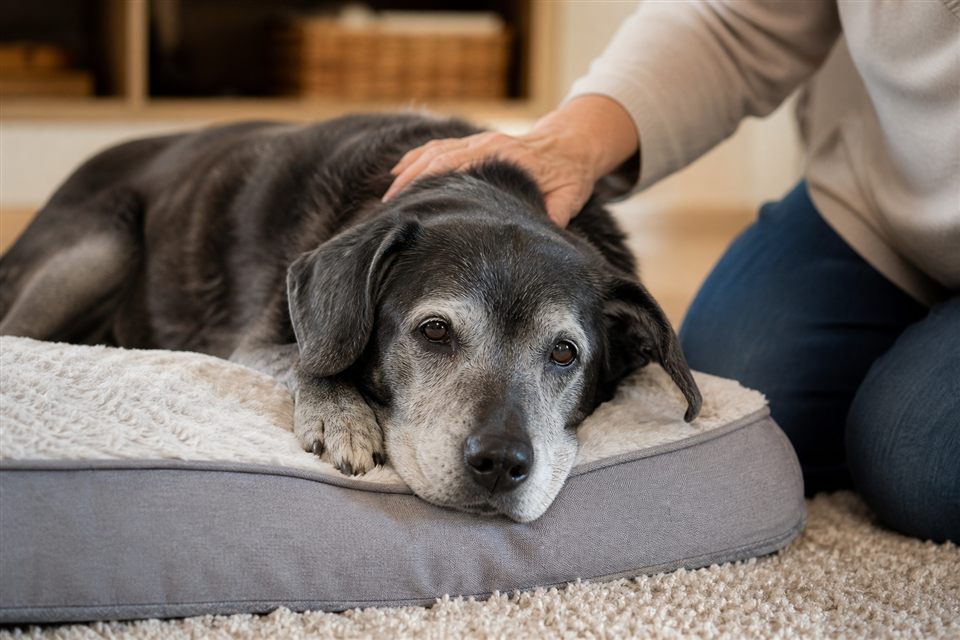
Mira's fourteen-year-old tabby, Figaro, finished every bowl exactly as he had for years—yet when Mira lifted him, he felt hollow. The scale confirmed five ounces gone each month. Same appetite, thinner body. That combination is never "just old age"; it is a signal to investigate.
Key points at a glance
- Appetite can stay normal—or increase—while cats lose weight due to metabolism, absorption, or disease.
- Common causes in seniors include hyperthyroidism, diabetes, kidney disease, dental pain, and cancer.
- Weigh cats monthly at home; even small losses add up in a ten-pound body.
- Treatment depends on diagnosis—do not simply feed more without veterinary bloodwork.
Why weight loss hides behind a full food bowl
Cats mask illness until changes are significant. Several conditions increase calorie demand or reduce nutrient uptake while hunger stays steady:
| Condition | Typical signs beyond weight loss |
|---|---|
| Hyperthyroidism | Ravenous appetite, hyperactivity, vomiting |
| Diabetes | Increased thirst, large urine clumps |
| Chronic kidney disease | Drinking more, subtle coat dullness |
| Dental disease | Dropping food, chewing on one side |
| Gastrointestinal disease | Soft stool, occasional vomiting |
| Cancer (various) | Variable—lethargy, behavior shifts |
Figaro purred through dinner and still lost muscle over his spine—the classic "skinny old cat" silhouette that deserves labs, not extra kibble.
Home monitoring that catches trends early
- Monthly weigh-ins on the same scale—record in a notes app
- Body condition scoring—ribs should not feel sharp; waist should not look sunken from above
- Track litter box output size and frequency
- Photo from above monthly—visual comparison reveals spine prominence
Sudden loss over two weeks warrants urgent vet contact even if appetite seems fine.
What your veterinarian will likely recommend
A senior cat workup often includes:
- Complete blood count and chemistry panel—organ function, protein levels, red blood cells
- Thyroid hormone (T4) test—essential in cats over ten
- Urinalysis—kidney concentration, glucose, infection
- Blood pressure—common with kidney and thyroid disease
- Dental exam—often under sedation if mouth is painful
Further imaging (ultrasound) may follow if initial tests are inconclusive.
Nutrition after diagnosis—not before
Feeding more of the same diet without a diagnosis can worsen hyperthyroidism or diabetes. Once your vet identifies the cause, nutrition targets the condition:
- Hyperthyroidism: Treat disease first; prescription thyroid diets exist for some cats
- Kidney disease: Phosphorus-modified therapeutic diets with adequate calories
- Diabetes: High-protein, controlled carbohydrate plans—often after insulin stabilization
- Dental pain: Soft food temporarily post-extraction, then balanced maintenance
For cats needing calories without worsening kidney values, your vet may suggest calorie-dense renal-safe wet foods or appetite stimulants in specific cases.
Supporting muscle and comfort at home
While treatment proceeds:
- Offer warmed wet food—aroma increases intake without doubling dry volume
- Elevated, quiet feeding stations reduce competition and joint strain
- Multiple small meals if nausea is a factor
- Joint-friendly access to litter boxes and beds so movement does not drain calories
Avoid unbalanced home-cooked diets unless formulated by a veterinary nutritionist.
When appetite finally drops too
Late-stage disease may flip the pattern from eating well to refusing food. That transition needs same-week vet adjustment—do not wait until Figaro skips three days. Appetite stimulants, hydration support, and quality-of-life discussions become part of the plan.
Weight gain goals vs muscle preservation
Your veterinarian may target maintaining weight rather than rapid gain, especially if kidney values are borderline. Rapid refeeding with calorie-dense junk can stress organs. Focus on lean body mass—therapeutic diets with adequate protein (within renal guidelines) support muscle better than empty calories from treats.
Weigh weekly and look for spine and hip prominence from above, not just the number on the scale. Fluid shifts from heart or kidney disease can mask fat loss or mimic improvement. Body condition scoring photos help your vet adjust the plan between visits.
When euthanasia is not the immediate conversation—but quality of life is
Weight loss in seniors sometimes signals manageable disease for years, not days. Mira's persistence got Figaro diagnosed with early hyperthyroidism. Medication stabilized his weight over six weeks. The lesson: same bowl, different body—always ask why, and keep notes so your vet sees trends instead of snapshots.
This article is for informational purposes only and does not replace professional veterinary advice. Unexplained weight loss in any cat, especially seniors, requires veterinary examination and diagnostic testing.