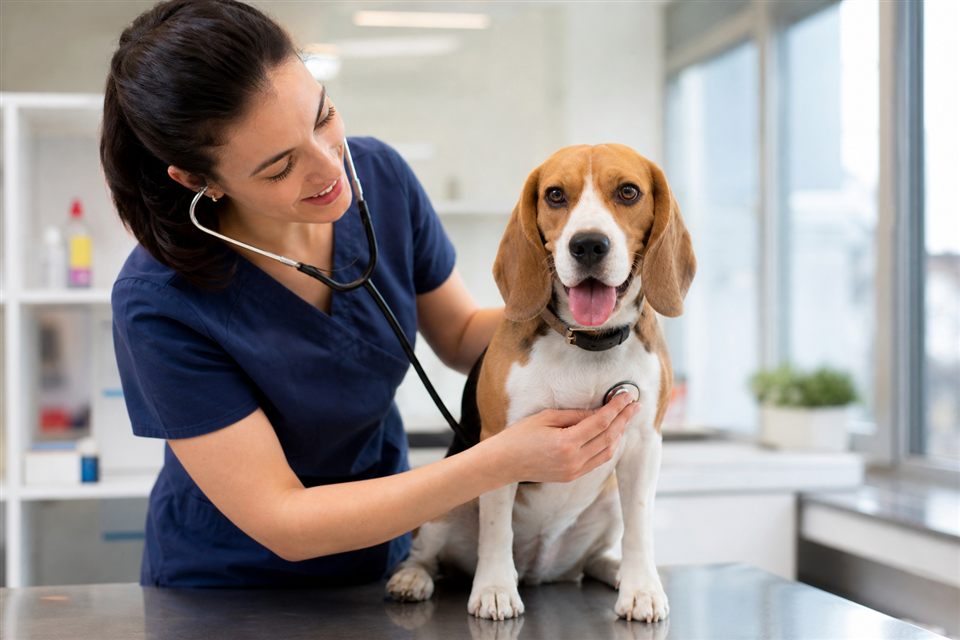
Many dogs shake their heads vigorously within hours of a bath or swim, leaving owners wondering whether water alone caused temporary irritation or whether infection is brewing. The external ear canal in dogs is L-shaped and traps moisture easily, especially in floppy-eared breeds. A few shakes after bathing can be normal as your dog clears residual water. Persistent head shaking, pawing, odor, or redness lasting more than twenty-four hours suggests otitis externa needing veterinary evaluation. Catching moisture problems early prevents painful chronic ear disease and expensive deep cleanings under sedation.
Prevention starts with keeping shampoo and running water out of canals rather than relying on post-bath shaking alone. Cotton placement and drying techniques vary by breed; your veterinarian can demonstrate safe methods for your dog's ear anatomy. The sections below separate normal post-bath behavior from infection warning signs and outline home drying habits that reduce yeast overgrowth in warm humid ear canals.
Normal head shaking versus infection signs
Normal: Several head shakes within the first hour after bathing, no odor, ears pink not angry red, dog returns to normal behavior quickly. Concerning: Shaking continues into the next day, brown or yellow discharge appears, ears smell yeasty or foul, dog yelps when ears touched, or head tilts to one side. Chronic shakers between baths may have underlying allergy or anatomy issues unrelated to water exposure alone.
Safe drying after baths and swimming
Gently blot the external ear flap and visible canal entrance with a clean dry cloth without inserting cotton swabs deep into the canal. Some veterinarians approve lightly packed cotton balls at the opening during bathing only, removed immediately afterward. Ear drying solutions designed for dogs may help after confirmed healthy ears; do not pour alcohol or hydrogen peroxide without professional guidance because irritated tissue burns easily. Floppy ears benefit from brief separation from the head to air dry before the dog lies down on damp fur.
Questions owners ask most often
Can I use human ear drops? No unless prescribed for that specific dog after otoscopic exam. Do ear infections clear on their own? Rarely; untreated infection spreads and becomes painful. Are some breeds more prone? Cocker Spaniels, Basset Hounds, Labradors with allergies, and frequent swimmers top many clinic lists.
Allergy and anatomy contributors
Food and environmental allergies inflame ear skin year-round, making every bath a trigger rather than the root cause. Dogs with narrow canals or heavy hair inside ears need professional plucking decisions case by case. Seasonal pollen flares coincide with spring head shaking in allergic individuals. Treating only ears without addressing allergy leaves cycles repeating monthly. Your veterinarian may recommend cytology swabs to identify yeast versus bacteria before choosing drops.
What to log before calling the clinic
Record when the bath occurred, how many days shaking persisted, whether one or both ears are affected, and any discharge color or odor. Note recent swimming, grooming shop visits, or new shampoos. Photograph the ear flap redness in indirect light without forcing painful examination. List current flea prevention and allergy medications because some affect skin barrier health. Head tilt, balance loss, or walking in circles need same-day evaluation beyond routine ear cleaning advice.
Key Points
- Brief head shaking right after bathing is often normal moisture clearing.
- Odor, discharge, or pain on touch mean schedule a veterinary ear exam.
- Never stick cotton swabs deep into the canal; blot the opening only.
- Floppy-eared breeds need extra drying attention after every water exposure.
- Repeated infections warrant allergy workup not just repeated antibiotic drops.
Practical Tips
- Use a cup or handheld shower close to the body to reduce splash into ears.
- Ask your groomer to avoid pouring water directly over the head.
- Keep ear cleaner on hand only after your vet approves a specific product.
- Dry the coat thoroughly; damp neck fur keeps ear surroundings humid.
- Inspect ears weekly even when not bathing to catch early redness.
- Schedule allergy management if infections return more than twice yearly.
Building a two-week action plan
Choose one or two changes from this article to implement this week rather than attempting every tip at once. Note your pet's baseline behavior on day one, then review progress on day fourteen with the same lighting and timing conditions when possible. Small consistent adjustments outperform dramatic overhauls that last only a few days. If you see no improvement after following veterinary guidance for two weeks, schedule a follow-up rather than switching randomly to unrelated internet advice that may confuse the underlying issue further.
First-time pet owners often search these symptoms late at night and worry unnecessarily or wait too long. When in doubt, call your veterinary team with a short video clip; many clinics offer nurse triage by phone. The guidance here supports informed conversations with professionals rather than replacing hands-on examination of your individual dog or cat.
When to call your vet
Book an appointment if head shaking lasts beyond twenty-four hours after a bath, if you smell yeast or pus, or if your dog cries when ears are touched. Emergency care is appropriate for sudden head tilt, loss of balance, or swelling around the ear. Your veterinarian can perform otoscopy, cytology, and prescribe appropriate cleaners or medications rather than guessing from head shaking alone.
Summary for busy owners
If you remember only a few points from this guide, keep these in mind: watch for patterns that repeat daily rather than one isolated incident, adjust home routines before buying expensive products, and contact your veterinary team early when behavior or appetite changes alongside the main symptom. Most problems improve fastest when medical causes are ruled out first and management stays consistent for at least two weeks before you declare an approach failed. Write down dates and take short videos so your next appointment covers facts rather than guesses.
This article is for general educational purposes only and does not replace professional veterinary advice. Contact your vet if your pet shows ongoing symptoms.