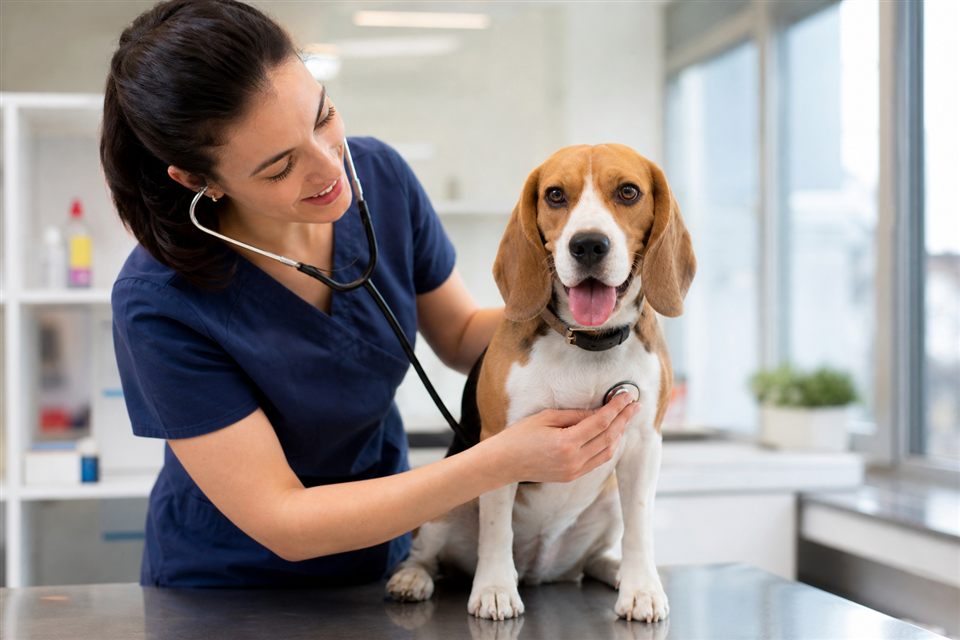
“Dog breath” is not automatically normal. Persistent foul odor—especially sour, metallic, or rotten—usually signals dental disease, diet issues, or systemic illness. Healthy dogs with clean teeth may have mild scent after eating, but breath that clears the room needs investigation.
Top causes of bad breath in dogs
Periodontal disease: By age three, many dogs show tartar and gingivitis. Bacteria under the gumline produce sulfur compounds—the classic rotten smell. Red gums, brown tartar, and drooling while eating are common signs.
Foreign objects: Sticks wedged across the roof of the mouth or bone fragments between teeth trap bacteria and cause localized odor.
Diet and habits: Eating stool, garbage, or fish-heavy diets worsens breath temporarily. Chronic coprophagia needs behavioral and medical workup.
Systemic disease: Kidney failure can cause ammonia-like breath; diabetes may produce sweet or fruity scent; liver disease causes severe halitosis with yellow gums or vomiting. These are urgent diagnoses.
What you can do at home
Lift the lip weekly—look for tartar on upper back molars first. Brush with dog-specific enzymatic toothpaste 3–4 times weekly if your dog tolerates it. Finger brushes help small dogs; go slowly and reward cooperation. Never use human toothpaste; fluoride and xylitol are harmful.
Dental chews with the Veterinary Oral Health Council (VOHC) seal reduce plaque mechanically—they supplement but do not replace brushing or professional cleaning. Rope toys and hard antlers fracture teeth; softer VOHC chews are safer for aggressive chewers.
Fresh water daily; some dogs benefit from a drinking fountain that encourages rinsing. Additive mouth rinses exist; ask your vet if a product is appropriate for your dog’s age and health.
Professional veterinary dental care
When tartar is visible or gums bleed, anesthesia and scaling under the gumline are required—non-anesthetic cosmetic scrapes miss subgingival infection. Pre-anesthetic blood work assesses kidney and liver safety. Dental radiographs reveal painful root abscesses hidden below crowns.
Small breeds and brachycephalic dogs often need cleanings every 1–2 years starting around age 2–3. Delaying care leads to tooth loss, jaw fractures from infection, and bacteria spreading to heart and kidneys.
When breath change is an emergency
- Sweet/fruity breath with increased drinking and urination (possible diabetes)
- Urinary-ammonia scent with vomiting (possible kidney crisis)
- Bad breath plus facial swelling or pawing at mouth (abscess or oral injury)
- Refusing food for 24 hours with drooling
Schedule a dental exam if breath odor persists more than two weeks despite brushing, or if you see tartar, bleeding gums, or loose teeth.
Brushing technique that actually helps
Start with lip lifting only, reward, end session. Progress to finger brush on front canines, then outer surfaces of upper molars where tartar accumulates fastest. Thirty seconds of effective brushing beats two minutes of wrestling. Daily is ideal; three times weekly still helps if consistent.
Dogs with small mouths (Yorkies, Dachshunds) often need professional cleanings early—home care slows but rarely stops disease without scaling. Large chewers are not immune; fractured teeth and abscesses also smell foul.
Diet choices and breath
Soft, sticky diets can accelerate plaque compared with dry kibble for some dogs, though individual variation matters more than marketing claims. Prescription dental diets with VOHC acceptance may help specific cases—ask your vet rather than switching blindly. Raw diets carry bacterial contamination risks and do not eliminate need for dental exams.
Water additives and dental gels vary in evidence; use only products your vet approves, especially in dogs with heart or kidney disease where swallowing large volumes of additive matters.
Cost and timing of professional cleanings
Owners delay dentals due to anesthesia fear or cost, but untreated periodontal disease leads to extractions, abscesses, and systemic infection—often more expensive and painful later. Pre-anesthetic blood work and IV fluids during anesthesia are standard in modern practices and improve safety for seniors.
Schedule cleanings when tartar is visible but before teeth loosen. Your vet should provide before-and-after photos and a home-care plan post-procedure. Bad breath returning within weeks of a cleaning may indicate retained root fragments or disease elsewhere—recheck promptly.
Sleep and lighting in the home
Cats nap more in dim, quiet rooms—that is healthy. Provide elevated perches near windows for passive stimulation without forced play. Avoid disturbing deep sleep unless necessary; quality rest supports immune function and mood, especially in seniors sharing homes with noisy schedules.
This article is for general educational purposes only and does not replace professional veterinary advice. Contact your vet if your pet shows ongoing symptoms.