Many owners notice their dog take a long drink from the bowl, then hack once or twice as if something stuck in the throat. In healthy young dogs this often reflects drinking too fast, water going down the wrong pipe, or brief irritation of the sensitive throat lining. Occasional single coughs after excitement or exercise are usually not emergencies. When coughing repeats every time your dog drinks, happens at rest, or comes with nasal discharge or fatigue, a medical cause becomes more likely and deserves veterinary attention within days rather than months.
Sorting normal throat clearing from illness helps you avoid panic while still catching conditions that progress quietly in small breeds and senior dogs. Video a short clip of the episode, note whether it happens only with water or also with food, and bring that information to your appointment. The following sections walk through common benign causes, red-flag patterns, and home habits that reduce throat irritation without delaying needed care.
Benign reasons dogs cough after drinking
Rapid gulping is the most frequent explanation. Dogs that drain the bowl in seconds swallow air along with water. The combination triggers a cough or gag reflex as the airway clears itself. Brachycephalic breeds such as Bulldogs and Pugs already have crowded airways and cough more easily after any hurried swallow. Cold water can briefly tighten throat muscles in sensitive individuals. Excitement after walks or play increases breathing rate, so the first drink hits an already irritated trachea.
Medical causes your vet may investigate
Tracheal collapse produces a honking cough, often worse at night or when pulling on a collar. Toy breeds are predisposed. Kennel cough and other respiratory infections cause persistent coughing that may worsen after any throat stimulation, including drinking. Heart disease in older dogs can create a soft cough especially at night or after lying down, sometimes accompanied by reduced exercise tolerance. Foreign material stuck in the throat is less common but urgent if coughing began suddenly after chewing bones or toys.
Reverse sneezing versus coughing after water
Many owners confuse reverse sneezing with coughing. During a reverse sneeze, the dog extends the neck, inhales loudly through the nose in repeated snorts, and looks alarmed for thirty seconds before returning to normal. Coughing after drinking usually produces a single or few outward hacks from the chest or throat right at the bowl. Filming the episode on your phone helps your veterinarian distinguish the two because treatment differs. Reverse sneezing episodes often resolve without medication, while persistent cough may need chest radiographs or throat examination under sedation in small breeds.
Breed and lifestyle factors
Brachycephalic dogs such as French Bulldogs, Pugs, and Boston Terriers drink messily and cough more often due to shortened airways. Retrievers and working breeds returning from exercise may gulp water aggressively. Senior small breeds with heart murmurs should not dismiss new cough patterns as age alone. Dogs boarded recently or visiting dog parks may have exposure history relevant to infectious cough. Mention all recent activities when you call the clinic so triage staff can prioritize urgency appropriately.
Questions owners ask most often
Should I withhold water to stop coughing? No. Dehydration worsens many conditions. Slow access with smaller portions is safer than restriction. Does cough medicine from the drugstore help? Never give human cough products without veterinary dosing; some contain xylitol or ingredients toxic to dogs. Will a humidifier help? Mild humidity may soothe dry airways in winter but does not treat infection or collapse; discuss with your clinic if cough persists.
Key Points
- One occasional cough after fast drinking in an otherwise bright dog is often normal.
- Honking coughs, fainting, blue gums, or cough lasting more than a week need prompt veterinary evaluation.
- Collar pressure on the neck worsens many throat conditions; a harness may help until your vet examines your dog.
- Coughing with blood, thick green discharge, or fever suggests infection requiring treatment.
- Puppies and senior dogs should not wait weeks for assessment when cough frequency increases.
Practical Tips
- Offer smaller water portions more often instead of one deep bowl after exercise.
- Elevate the bowl slightly for tall dogs to reduce neck strain while drinking.
- Switch from collar to front-clip harness during walks if coughs appear after pulling.
- Rinse bowls daily; slime buildup irritates some dogs and changes water taste.
- Keep a cough diary with date, time, activity before drinking, and duration of episodes.
- Avoid strenuous play for thirty minutes after meals and large drinks if your dog gags easily.
First-time pet owners often search these symptoms late at night and worry unnecessarily or wait too long. When in doubt, call your veterinary team with a short video clip; many clinics offer nurse triage by phone. The guidance here supports informed conversations with professionals rather than replacing hands-on examination of your individual dog or cat.
When to call your vet
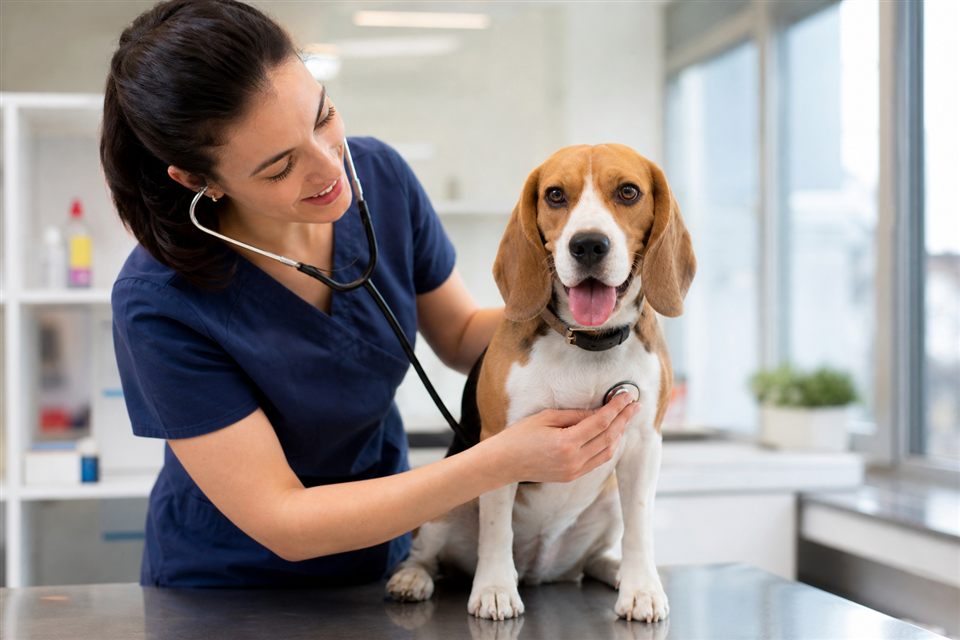
Schedule a visit if coughing happens daily, wakes your dog at night, or follows every drink for more than three days. Same-day care is appropriate for difficulty breathing, repeated retching without producing anything, collapse, or refusal to eat or drink. Your veterinarian can listen to the heart and lungs, recommend chest radiographs if needed, and discuss cough suppressants or antibiotics only when diagnosis supports their use.
Summary for busy owners
If you remember only a few points from this guide, keep these in mind: watch for patterns that repeat daily rather than one isolated incident, adjust home routines before buying expensive products, and contact your veterinary team early when behavior or appetite changes alongside the main symptom. Most problems improve fastest when medical causes are ruled out first and management stays consistent for at least two weeks before you declare an approach failed. Write down dates and take short videos so your next appointment covers facts rather than guesses. Bookmark this page and share specific sections with family members so everyone follows the same plan.
This article is for general educational purposes only and does not replace professional veterinary advice. Contact your vet if your pet shows ongoing symptoms.