Bringing a newborn home changes every routine your dog knows—sleep schedules, furniture access, attention, and even the smells in the house. Dogs are creatures of habit, and a crying infant can trigger curiosity, anxiety, or guarding behavior if introductions are rushed. Safe preparation starts weeks before delivery, not at the hospital door. The goal is a calm, supervised relationship built on positive associations and clear boundaries. Most family dogs adapt well when owners plan ahead, never leave infants unattended with any dog regardless of breed or history, and respond quickly to stress signals. This guide walks through practical steps veterinarians and certified behaviorists recommend for first-time parents who also love their dog.
Preparing Your Dog Before the Baby Arrives
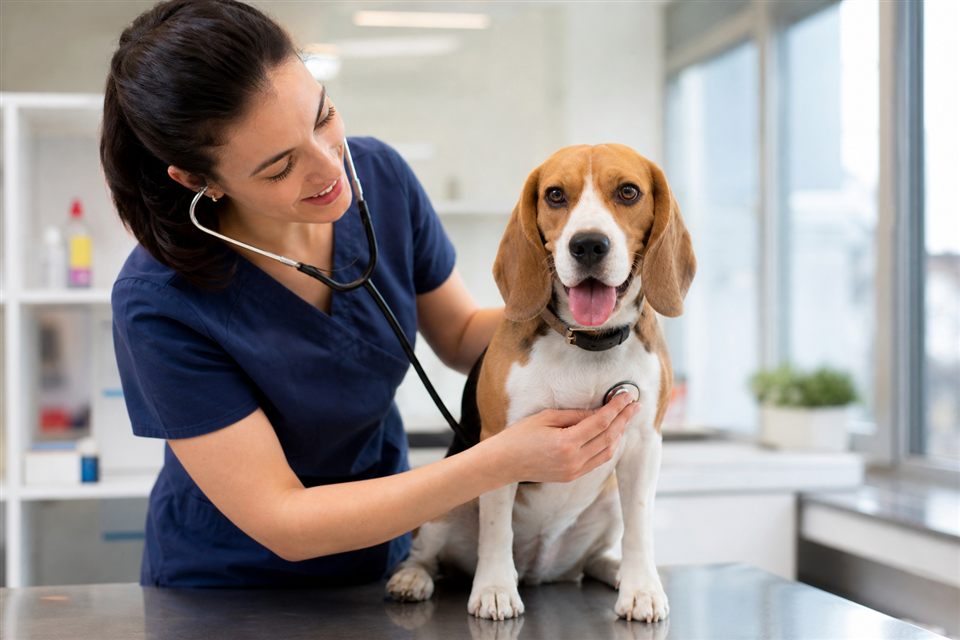
Refresh basic obedience: sit, stay, leave-it, and go-to-mat or crate on cue. If your dog jumps, barks at doorbells, or pulls on leash, address those skills now when you still have time and sleep. Introduce nursery equipment gradually—rocking chairs, swings, and white-noise machines running at low volume. Play recordings of baby cries while pairing treats so the sound predicts good things. Bring home a blanket with the baby’s scent before discharge if hospital policy allows; let your dog sniff from several feet away while leashed, rewarding calm interest without allowing mouthing or pawing. Establish off-limit zones such as the crib room using gates rather than punishment. Schedule a veterinary wellness exam to update vaccinations, parasite prevention, and nail trims—long nails and rough play are risky near fragile skin.
Adjust exercise expectations. A tired dog handles change better, but do not rely on exhaustion to suppress warning signs. Arrange dog walkers or daycare for the first week home if your schedule will be unpredictable. Identify a quiet retreat—a crate or spare room—where your dog can escape baby noise voluntarily.
Key Points
- Never leave a baby and dog alone together, even for a few seconds.
- Scent and sound desensitization before birth reduces novelty stress.
- Supervised first meetings should occur when the dog is calm and exercised.
- Reward the dog for calm behavior near the baby, not for close sniffing of the face.
- Watch for lip licking, whale eye, stiff body, or avoidance—these mean create distance.
- Include your dog in safe daily routines so jealousy does not build.
The First Meeting and Daily Life With an Infant
When you arrive home, have one adult manage the dog on leash while another carries the baby. Allow brief sniffing of feet or blanket from a distance—no face-to-face contact on day one. Keep sessions under five minutes and end while the dog is relaxed. Over the following weeks, pair baby sounds with treat scatter on a mat across the room so the dog learns that crying predicts distance rewards, not forced interaction. When feeding the baby, another family member can give the dog a stuffed Kong in its retreat area. Teach visitors that the dog does not need to meet the baby to prove friendliness. Maintain walking routines where possible; structure reduces anxiety. As the infant grows into crawling and grabbing, reinforce that toys and ears are off limits using gates and adult supervision—toddlers and dogs both need coaching.
Practical Tips
- Install sturdy baby gates before birth so rules feel normal on day one.
- Wash hands after diaper changes before petting to manage scent confusion.
- Keep dog food and water bowls in areas the crawling child cannot reach later.
- Document any growling immediately and consult a veterinary behaviorist—do not punish.
- Update your emergency vet and poison control numbers before sleepless nights begin.
When to Contact Your Veterinarian
Seek professional help before the baby arrives if your dog has a history of biting, severe resource guarding, or panic when routines change. After birth, contact your vet or a certified behaviorist if your dog shows sustained avoidance, aggression, loss of appetite, or house-soiling that persists beyond the first adjustment week. Early intervention protects both your child and your dog’s place in the family.
This article is for general educational purposes only and does not replace professional veterinary advice. Contact your vet if your pet shows ongoing symptoms.