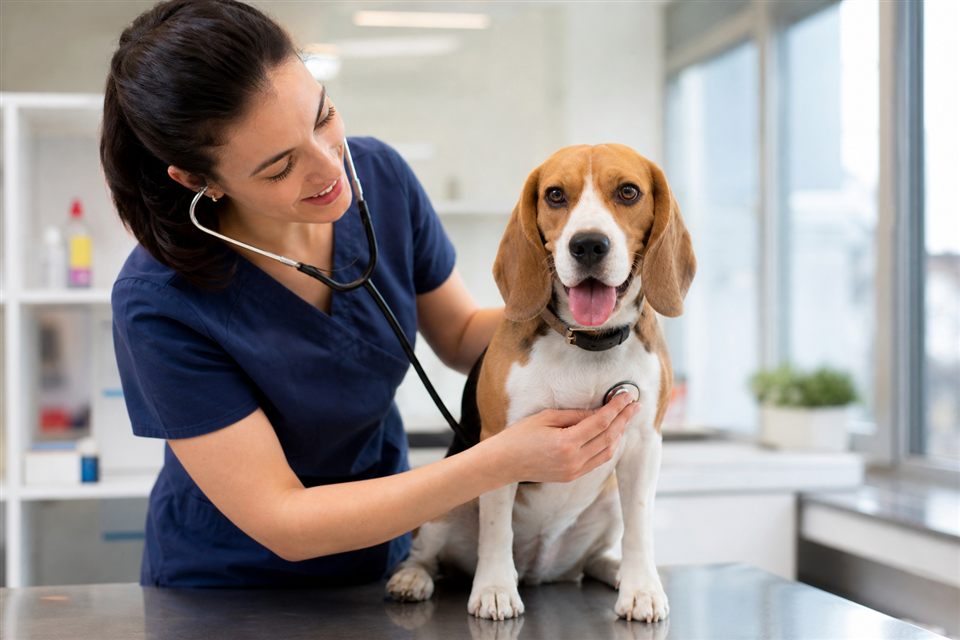
Adoption day excitement often delays the unglamorous veterinary appointment, yet rescue dogs benefit enormously from a thorough exam within the first week home. Shelters and fosters provide valuable history, but stress, transport, and prior overcrowding hide ear infections, dental pain, intestinal parasites, and heartworm exposure. Early wellness visits establish baseline weight, confirm microchip registration, refill prevention medications on schedule, and build a relationship with your clinic before emergencies strike. Waiting until obvious illness appears costs more and stresses a dog still adjusting to new routines.
Some adopters fear stressing a shy dog with immediate handling; gentle clinics offer treat-heavy first visits focused on rapport before full workups. Timing balances decompression needs against medical urgency for puppies, heartworm-positive adults, or dogs with cough. The timeline below suits typical healthy adult adoptions; your rescue organization may specify faster follow-up for medicated or pregnant animals.
Recommended timeline after adoption
Schedule a wellness exam within three to seven days for most healthy adult rescues unless the shelter mandated next-day follow-up. Puppies under sixteen weeks often need booster vaccination alignment within forty-eight to seventy-two hours if shelter shots were due. Dogs finishing heartworm treatment or antibiotics need dates matched exactly to prior prescriptions. If diarrhea, cough, or lameness appears before the appointment, call for sooner availability rather than waiting.
What to bring to the first visit
Carry adoption paperwork, vaccine records, spay-neuter certificate, microchip number, and any flea or heartworm prevention dispensed at the shelter. Bring a fresh stool sample in a sealed bag unless the clinic prefers collection there. Write down food brand, appetite notes, and bathroom habits since arrival. Phone videos of odd behaviors help when dogs act differently in exam rooms. List questions about behavior, diet transition, and local parasite risks your new region presents compared with the shelter location.
Questions owners ask most often
Can I bathe before the vet visit? Yes unless skin lesions need visualization; mention new shampoos. Should I switch food immediately? Gradual transition over seven to ten days prevents diarrhea; ask for targets at exam. Are shelter vaccines enough? Often partial; your vet completes series and boosters appropriately.
Tests commonly recommended for rescue dogs
Fecal parasite screening catches roundworms and giardia common in group housing. Heartworm and tick-borne disease tests guide prevention in endemic areas. Puppies may need follow-up deworming regardless of prior shelter doses. Senior rescues benefit from baseline blood work detecting kidney, liver, and thyroid issues invisible externally. Dental grading under sedation may wait unless mouth odor or pain is obvious at first hello.
Building trust with a nervous rescue at the clinic
Bring high-value treats, a familiar-smelling blanket, and allow sniffing the lobby before entering exam rooms. Fear-free certified practices use low-stress handling and may split vaccines across visits if anxiety is extreme. Avoid forcing muzzles without training unless safety requires it; ask technicians to feed throughout handling. Positive first experiences reduce future vet dread more than delaying care indefinitely for shy dogs.
Key Points
- Plan first wellness visit within one week of adoption for typical adult rescues.
- Bring all shelter medical records and a fresh stool sample when possible.
- Do not wait for obvious illness before establishing veterinary care.
- Puppies and heartworm-positive dogs need tighter follow-up schedules.
- First visit sets prevention, nutrition, and behavior support early.
Practical Tips
- Register microchip online to your address before the appointment.
- Photograph adoption paperwork in case paper copies get lost.
- Keep your dog leashed in clinic parking lots regardless of training level.
- Ask which local parasites require year-round prevention in your zip code.
- Book follow-up vaccine appointments before leaving the first visit.
- Note appetite and stool quality daily during the first two weeks home.
Building a two-week action plan
Choose one or two changes from this article to implement this week rather than attempting every tip at once. Note your pet's baseline behavior on day one, then review progress on day fourteen with the same lighting and timing conditions when possible. Small consistent adjustments outperform dramatic overhauls that last only a few days. If you see no improvement after following veterinary guidance for two weeks, schedule a follow-up rather than switching randomly to unrelated internet advice that may confuse the underlying issue further.
First-time pet owners often search these symptoms late at night and worry unnecessarily or wait too long. When in doubt, call your veterinary team with a short video clip; many clinics offer nurse triage by phone. The guidance here supports informed conversations with professionals rather than replacing hands-on examination of your individual dog or cat.
When to call your vet
Seek same-day care for not eating beyond twenty-four hours, repeated vomiting, bloody stool, breathing difficulty, or inability to urinate regardless of scheduled wellness timing. Contact your clinic before adoption if you know the dog has chronic conditions needing immediate medication refills. Your veterinarian can prioritize urgent issues while still completing the full new-patient intake.
Summary for busy owners
If you remember only a few points from this guide, keep these in mind: watch for patterns that repeat daily rather than one isolated incident, adjust home routines before buying expensive products, and contact your veterinary team early when behavior or appetite changes alongside the main symptom. Most problems improve fastest when medical causes are ruled out first and management stays consistent for at least two weeks before you declare an approach failed. Write down dates and take short videos so your next appointment covers facts rather than guesses.
This article is for general educational purposes only and does not replace professional veterinary advice. Contact your vet if your pet shows ongoing symptoms.