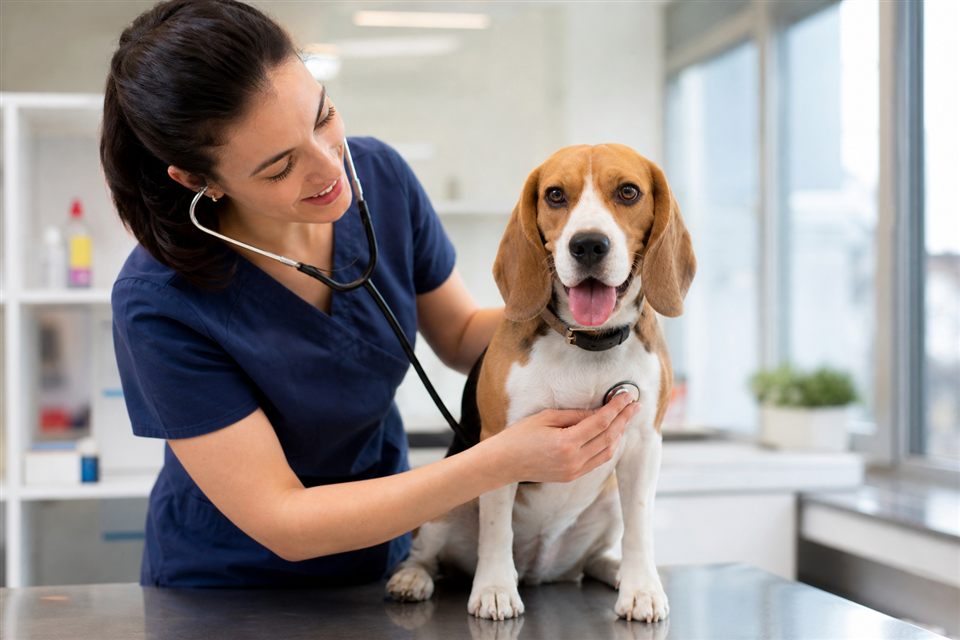
Dogs regulate temperature differently from humans. Brachycephalic breeds, seniors, and puppies are especially vulnerable.
Key Points
- Heat: walk early or late; never leave dogs in parked cars.
- Provide shade and unlimited cool water outdoors.
- Cold: limit time outside for short-coated or small breeds.
- Booties or paw balm protect feet from ice melt chemicals.
Practical Tips
- Know signs of heatstroke: heavy panting, collapse, vomiting.
- Hypothermia signs include shivering, weakness, and slow breathing.
- Adjust exercise intensity to weather conditions.
This article is for general educational purposes only and does not replace professional veterinary advice. Contact your vet if your pet shows ongoing symptoms.