A persistent cough after boarding, daycare, or a dog park visit sends many owners searching for answers online. Two common contagious respiratory conditions—canine infectious tracheobronchitis, often called kennel cough, and canine influenza virus—share coughing and sneezing but differ in severity, duration, and outbreak potential. Treating them the same way delays recovery and may expose other dogs unnecessarily. Understanding how each illness spreads, typical timelines, and red-flag symptoms helps you isolate appropriately, communicate with your veterinarian, and protect vulnerable pets in your household.
Kennel Cough Basics
Kennel cough is usually a complex of viruses and bacteria—Bordetella bronchiseptica is the classic bacterial component—irritating the trachea and upper airways. Dogs develop a harsh, honking cough often triggered by pulling on a collar or excitement. Appetite and energy may remain normal in mild cases. Spread occurs through respiratory droplets in shared airspaces: kennels, grooming salons, training classes. Most healthy adult dogs recover within one to three weeks with rest and vet-directed care. Puppies, seniors, and brachycephalic breeds can develop pneumonia and need closer monitoring from day one.
Canine Influenza Differences
Canine influenza (CIV) is caused by specific flu strains—H3N8 and H3N2 are common in North America—with potentially longer illness and higher fever than typical kennel cough. CIV can spread before obvious symptoms appear and may persist in the environment briefly on hands and clothing. Some dogs show only mild discharge; others develop high fever, lethargy, and secondary bacterial pneumonia requiring hospitalization. Outbreaks in communities prompt diagnostic testing because management and public health messaging differ from routine kennel cough.
Key Points
- Both conditions spread in group dog settings; isolation stops outbreaks.
- Kennel cough often produces a distinctive goose-honk cough with stable appetite.
- Canine flu may cause higher fever, deeper lethargy, and longer recovery.
- Vaccines exist for Bordetella and canine influenza—discuss lifestyle risk with your vet.
- Never give human cold medicine or cough suppressants without veterinary approval.
- Puppies with any respiratory signs need prompt professional evaluation.
What to Do When Your Dog Starts Coughing
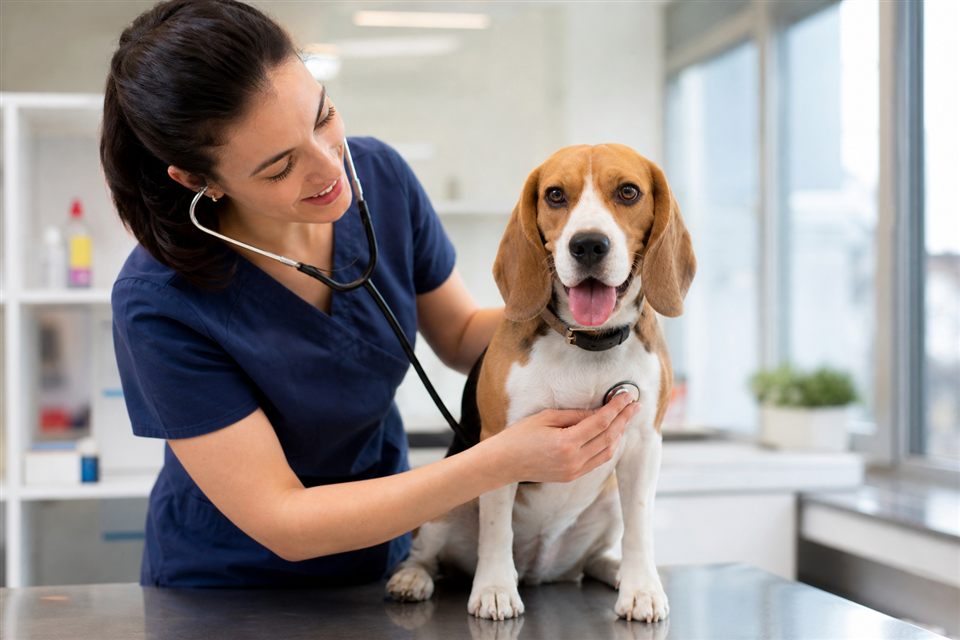
Contact your veterinarian before visiting the clinic—they may schedule a separate entrance to protect other patients. Keep your dog home from parks, daycare, and group walks immediately. Use a harness instead of a neck collar to reduce tracheal irritation. Offer easy-to-eat meals and fresh water; appetite decline lasting more than twenty-four hours matters. Your vet may recommend chest auscultation, fever check, and swab testing to distinguish CIV from kennel cough or other causes like heart disease in older dogs. Follow full antibiotic courses if prescribed for secondary infection—even if coughing fades early. Inform anyone who cared for your dog recently so they can monitor their pets.
Practical Tips
- Update Bordetella and influenza vaccines before peak boarding season if your vet recommends them.
- Wash hands and change clothes after caring for a coughing dog in multi-pet homes.
- Humidified rest areas soothe irritated airways when your vet approves.
- Keep a written timeline of cough frequency for telehealth updates.
- Separate food and water bowls during illness even among vaccinated housemates.
When to Contact Your Veterinarian
Seek same-day care for breathing effort, blue or pale gums, refusal to drink, persistent fever, or cough worsening after initial improvement. Emergency care is needed for collapse or open-mouth breathing at rest. Early professional guidance separates mild kennel cough from influenza complications requiring intensive support.
This article is for general educational purposes only and does not replace professional veterinary advice. Contact your vet if your pet shows ongoing symptoms.