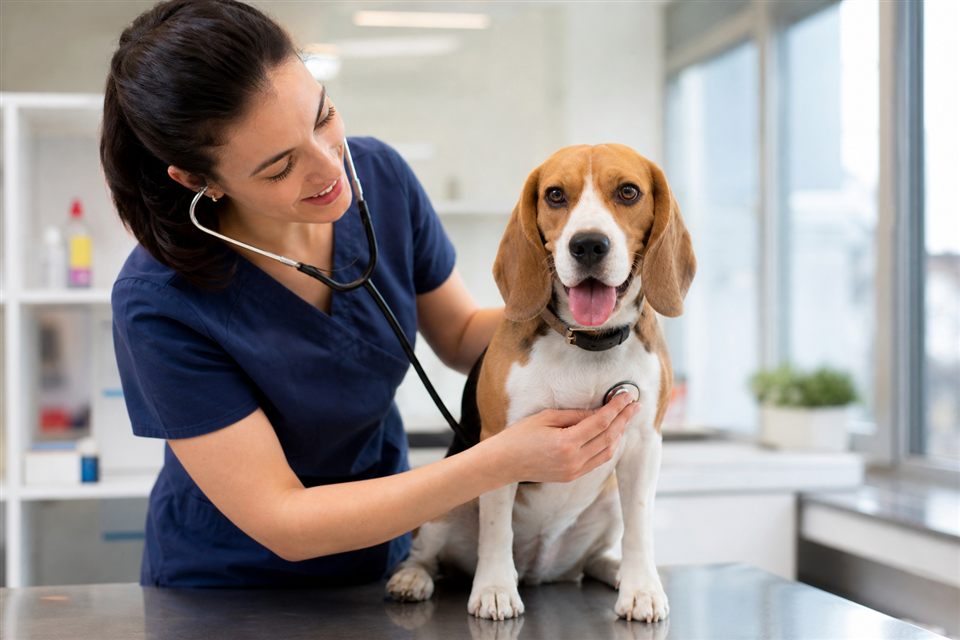
When your dog limps or whines, reaching for the medicine cabinet is tempting—but most human pain relievers are dangerous for dogs. Ibuprofen, naproxen, and acetaminophen (Tylenol) cause organ damage at doses owners consider “small.” Always call your veterinarian before giving any human medication.
Why ibuprofen and naproxen are dangerous
Non-steroidal anti-inflammatory drugs (NSAIDs) for humans block prostaglandins that protect the stomach lining and kidney blood flow in dogs. A single 200 mg ibuprofen tablet can cause gastric ulcers in a 25 lb (11 kg) dog. Repeated doses lead to kidney failure within days. Signs include vomiting (sometimes with blood), black tarry stool, loss of appetite, and increased thirst or decreased urination.
Dog-specific NSAIDs (such as carprofen, meloxicam, or robenacoxib) are formulated with different safety margins and dosing charts. Never substitute human versions “by guess.”
Acetaminophen (Tylenol) risks
Acetaminophen is not an NSAID but is equally risky. It destroys liver cells and red blood cells in cats at tiny doses; dogs are somewhat less sensitive but still vulnerable, especially with repeat exposure or pre-existing liver disease. Swollen face, yellow gums, brown urine, and lethargy are emergency signs. There is no safe “general” Tylenol dose for home use without veterinary calculation.
What about baby aspirin?
Veterinarians occasionally prescribe buffered aspirin for specific conditions, but dosing depends on weight, age, and concurrent medications. Aspirin interacts with dog NSAIDs and steroids—increasing ulcer risk. Using aspirin because “it worked last year” without a current prescription can delay proper treatment and mask worsening pain.
Safe alternatives while you wait for the vet
Rest the injured limb; leash-only bathroom trips. Apply cold compress 10 minutes on, 10 off for acute sprains if your dog tolerates it. Keep your dog calm and prevent jumping on furniture. Record when pain started and whether any medication was already given—this information prevents accidental double-dosing at the clinic.
For chronic arthritis, your vet may recommend prescription pain control, joint supplements with evidence, weight loss, physical therapy, or laser therapy. CBD products vary widely in quality and legality; discuss them with your vet rather than buying unlabeled oils online.
If your dog already swallowed a human painkiller
Call your vet, emergency clinic, or pet poison helpline immediately with the drug name, strength, milligrams, and time of ingestion. Do not induce vomiting unless instructed—some toxins cause more damage on the way back up. Bring the bottle to the hospital.
Prevention at home
- Store all human meds in closed cabinets; purses and nightstands are common access points.
- Tell houseguests not to leave pill organizers on counters.
- Never use “leftover dog NSAIDs” from a previous pet on a new dog without a fresh prescription.
- Ask your vet for a written pain plan after surgery so you know exactly what is safe.
What veterinarians use instead of human NSAIDs
Clinics stock dog-formulated NSAIDs with labeled dosing by weight and species-specific safety studies. Gabapentin, amantadine, or other adjuncts sometimes combine with NSAIDs for chronic pain under supervision. After orthopedic surgery, your discharge sheet should list exact drug names, milligrams, frequency, and stop dates—follow it precisely.
Some owners ask about “natural” anti-inflammatories like turmeric or fish oil—these are supplements, not replacements for acute pain control after injury. Discuss evidence and dosing with your vet; high-dose fish oil affects clotting before procedures.
Recognizing early toxicity signs at home
Within hours to days of wrong NSAID exposure, watch for vomiting, decreased appetite, lethargy, and dark stool. Kidney injury may show as increased drinking then decreased urination—a paradox owners miss. Acetaminophen toxicity may yellow the gums or sclera. If any sign appears after human medication exposure, treat as emergency even if your dog seems “a little off.”
Bring medication packaging to the clinic; photos of labels help poison hotlines calculate risk. Honesty about what was given saves time—vets are not judging you; they are treating the dog.
Creating a pet-safe medicine cabinet
Keep a separate labeled bin for pet prescriptions only. Store human medications in a different room if possible. After visitors stay overnight, check floors and nightstands for dropped tablets. Child-proof caps are not dog-proof—many dogs chew through plastic bottles.
Post your emergency vet and poison hotline numbers on the fridge. If you travel with pets, pack their medications in original bottles with prescriptions—do not repurpose unlabeled pill cases.
Climate and travel considerations
Moving from air conditioning to hot parking lots triggers panting—wait a few minutes in shade before judging abnormal breathing. Air travel and car anxiety also elevate respiratory rate; compare panting on calm days at home versus stressful outings.
This article is for general educational purposes only and does not replace professional veterinary advice. Contact your vet if your pet shows ongoing symptoms.