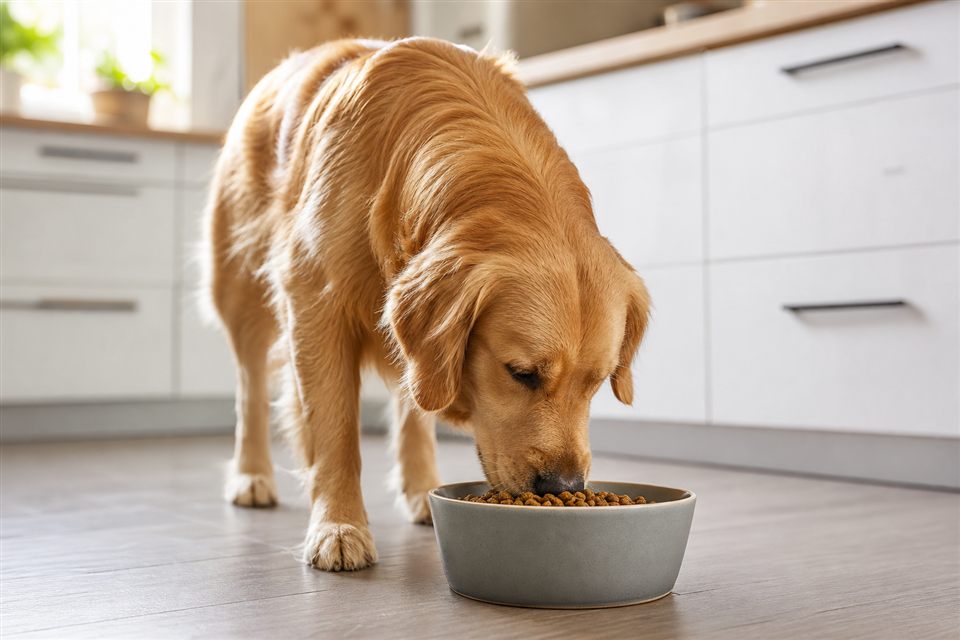
Puppy aisles overwhelm with breed-specific marketing—yet nutritional mistakes during growth phases permanently affect orthopedic health. Large and giant breed puppies need controlled calcium and calories preventing developmental orthopedic disease. Small breed puppies require calorie-dense kibble fitting tiny stomachs with frequent meals preventing hypoglycemia. All puppies need complete AAFCO puppy formulations—not adult food, not home recipes without board-certified formulation. Matching product to projected adult weight matters more than current cute size when bags say puppy universally.
Large Breed Puppy Requirements
Excess calcium and rapid growth strain developing joints in breeds expected over fifty to seventy pounds adult weight. Large breed puppy formulas moderate calcium phosphorus ratios and calorie density slowing growth appropriately. Overfeeding body condition accelerates problems regardless of formula quality—lean puppies grow safer. Avoid calcium supplements unless veterinarians diagnose specific deficiencies—more is harmful. Feed amounts per bag charts adjusted using body condition scoring monthly.
Small Breed Puppy Requirements
Tiny puppies need small kibble size preventing choking and encouraging chewing. Higher calorie density per cup supports fast metabolisms in Yorkshire Terriers, Chihuahuas, and similar breeds. Frequent meals—three to four daily—prevent hypoglycemic weakness especially under four months. Transition to adult food earlier than large breeds often around nine to twelve months per veterinary guidance—not one schedule fits all.
Key Points
- Large breed puppies need controlled calcium puppy formulas until growth completes.
- Small breed puppies need calorie-dense small kibble with frequent meals.
- Adult food is inappropriate for growing puppies regardless of breed.
- Body condition should stay lean—overweight puppies risk joint disease.
- AAFCO puppy statement on label confirms nutritional completeness.
- Transition timing to adult food differs by expected adult size.
Practical Tips
- Record expected adult weight with breeder or vet choosing formula class.
- Weigh puppies weekly adjusting portions maintaining visible waist.
- Soak kibble briefly for very young small breeds if chewing difficult.
- Avoid supplemental calcium in large breed puppies without bloodwork indication.
- Discuss spay or neuter timing with vets affecting calorie needs during growth.
When to Contact Your Veterinarian
Schedule visits for limping puppies, bowed legs, or failure to thrive despite adequate feeding. Nutrition consults help giant breed owners navigating complex growth monitoring.
This article is for general educational purposes only and does not replace professional veterinary advice. Contact your vet if your pet shows ongoing symptoms.